
Share This Article
Choosing a microchip vs. GPS pet tracker doesn’t always mean selecting only one option. Veterinarians recommend microchips for permanent identification and GPS trackers for additional location monitoring. Using both together provides permanent identification and real-time tracking. This gives your pet better protection if they ever become lost outdoors or escape unexpectedly.
- Key Takeaways
- What Is a Pet Microchip?
- What Is a GPS Pet Tracker?
- Microchip vs. GPS Pet Tracker: Understanding the Key Differences Before You Invest
- GPS vs. Microchip for Pets: Which One Protects Your Pet Better?
- What Misconceptions Exist About Microchip vs. GPS Pet Tracker?
- Why Do Most Veterinarians Suggest Starting with a Microchip for Cats and Dogs?
- Why Pet Parents in Fontana Choose Professional Microchip Implantation?
- Time to Protect Your Pet for Life with Jurupa Hills Animal Hospital!
It only takes one unexpected moment for your pet to go missing. An open gate, a broken leash, or a loud noise can change an ordinary day in seconds.
Many pet parents believe a GPS pet tracking device and a microchip do the same job. Many also ask, “Is a microchip better than a GPS tracker for pets?”, even though both serve different purposes. Choosing the right one could improve your chances of a happy reunion if your pet ever gets lost.
In this blog, you’ll learn how a microchip vs. GPS pet tracker differs, when each one makes sense, common myths to avoid, and why veterinarians recommend permanent identification for every dog and cat.
Key Takeaways
➤ A microchip gives your pet permanent identification, while a GPS tracker helps with lost pet recovery in real time.
➤ A cat and dog GPS tracker can’t replace a registered microchip because it doesn’t prove ownership if the collar is lost.
➤ Most veterinarians recommend microchipping every dog and cat, even if they stay indoors.
➤ Pets that spend time outdoors benefit from using both a microchip and a GPS collar for dogs and cats.
➤ Keeping your microchip registration updated is essential for a faster pet recovery if your cat or dog goes missing.
What Is a Pet Microchip?
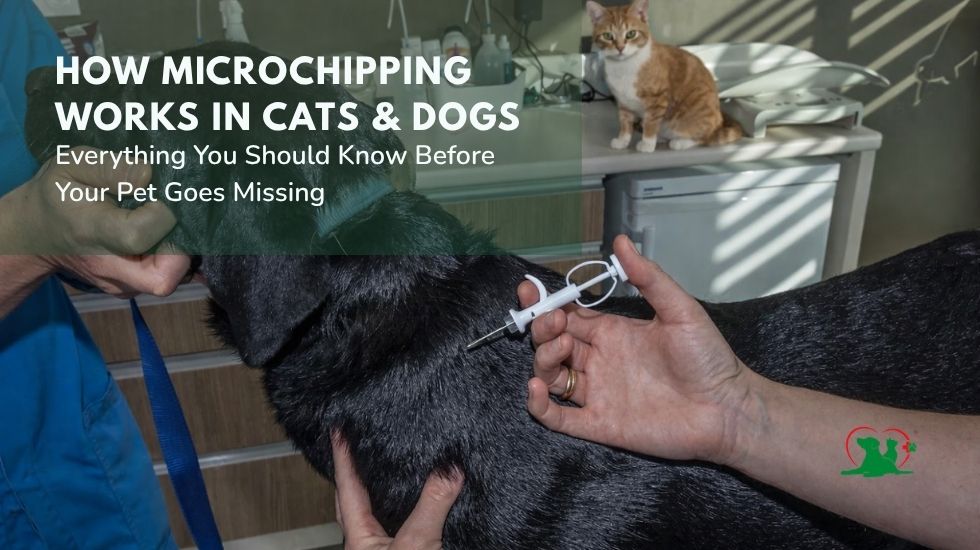
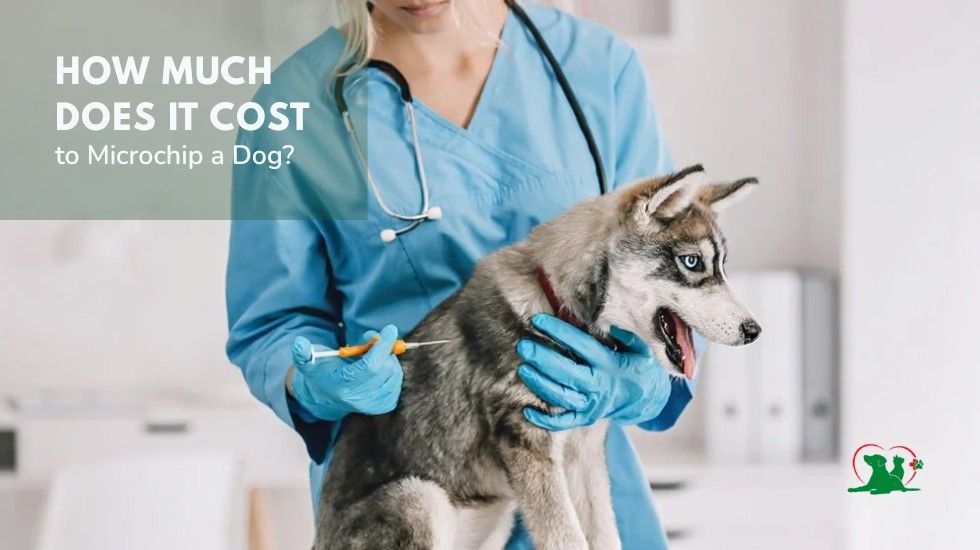
A microchip for dogs and cats is a tiny device implanted beneath your pet’s skin through pet microchipping services to provide permanent identification. Understanding how pet microchips work also helps explain the many benefits of pet microchipping. It also helps you weigh the cost to microchip a dog and cat against the lifelong protection a registered microchip provides.
The chip stores a unique ID number, which veterinary clinics and animal shelters scan to access your registered contact details. This feature makes microchipping one of the best ways to find a lost dog or cat. Unlike a tag or GPS collar for cats and dogs, it can’t fall off and never needs charging.
What Is a GPS Pet Tracker?
A dog and cat GPS tracker is a device attached to your pet’s collar that shows their location through a smartphone app. Knowing how GPS pet trackers work helps you understand their strengths and limitations.
A GPS tracker for adventurous dogs and cats helps you find your pet in real time, but it depends on battery power and often requires a subscription. It can’t replace a permanent microchip, which provides lifelong identification if your pet is found.
Microchip vs. GPS Pet Tracker: Understanding the Key Differences Before You Invest
A side-by-side comparison is the easiest way to understand the difference between a microchip and a GPS tracker, and also pet identification vs. pet tracking. Once you know what each one does, choosing the right protection for your pet becomes much easier.
| Aspect | Pet Microchip | GPS Pet Tracker |
| Purpose | Identifies your pet after someone finds them | Helps you locate your pet while they’re still missing |
| Location | Implanted beneath your pet’s skin for permanent identification | Attaches to your pet’s collar or harness for active tracking |
| Tracking | Doesn’t provide live location tracking | Shows your pet’s location in real time through a mobile app |
| Power source | Needs no battery or charging | Requires regular charging to stay active |
| Dependability | Continues working even if your pet loses their collar | Stops working if the collar falls off or the battery dies |
| Pet identification | Requires a scanner at a veterinary hospital or animal shelter to access your contact details | Doesn’t identify your pet if someone finds them without the tracker |
| Ongoing cost | Involves a one-time implantation fee with registration | Often includes subscription fees for cellular or GPS services |
| Best choice for | Every dog and cat that needs permanent identification | Pets that spend time outdoors or have a history of wandering |
GPS vs. Microchip for Pets: Which One Protects Your Pet Better?
A microchip and a GPS pet tracker protect your pet in different ways, so the best choice between a microchip vs. GPS pet tracker depends on their lifestyle. A registered microchip gives every dog and cat permanent identification if they become lost. A GPS tracker adds real-time location tracking for pets that spend more time outdoors.
⦿ Choose a microchip if…
(i) Your pet stays indoors.
(ii) You have a puppy or newly adopted pet.
(iii) You want permanent identification.
(iv) You need backup if a collar gets lost.
⦿ Add a GPS tracker if…
(i) Your pet is an escape artist.
(ii) You hike, hunt, or travel with your dog.
(iii) Your cat spends supervised time outdoors.
What Misconceptions Exist About Microchip vs. GPS Pet Tracker?
Many pet parents still confuse what a microchip and a GPS tracker for outdoor cats and dogs can do. Believing these myths could leave your pet without the protection they need.
Myth 1 ⇛ A microchip can track my pet’s location.
Fact: A microchip isn’t a GPS device. It only provides identification when a veterinary hospital or animal shelter scans it.
Myth 2 ⇛ A GPS tracker replaces a microchip
Fact: A GPS tracker helps you locate your pet, but it can’t permanently identify them if the tracker is lost or stops working. So, in other words, can a GPS tracker replace a microchip? No.
Myth 3 ⇛ My pet’s microchip works automatically forever.
Fact: The microchip lasts for life, but your contact details must stay up to date in the registry for it to help reunite you with your pet.
Myth 4 ⇛ Only outdoor pets need a microchip.
Fact: Many pet parents have this confusion and often ask, “Should indoor cats be microchipped?” Even cats that rarely go outside can escape through an open door or window. That’s why AAHA recommends permanent identification for both dogs and cats.
Why Do Most Veterinarians Suggest Starting with a Microchip for Cats and Dogs?
If veterinarians could recommend only one form of identification, it would be a registered microchip. We recommend microchipping every dog and cat because it provides permanent identification that stays with your pet for life. A GPS tracker adds protection, but it should never replace a microchip.
Here’s why we recommend it first:
- Permanent protection: It stays with your pet for life and can’t fall off.
- No batteries required: It works without charging or maintenance.
- Works with other ID methods: Pair it with an ID tag and, if needed, a GPS tracker.
- Easy to maintain: Keep your contact details updated and ask your veterinarian to scan the chip during annual wellness visits.
Why Pet Parents in Fontana Choose Professional Microchip Implantation?
Choosing the right veterinary team matters just as much as choosing to microchip your pet. At Jurupa Hills Animal Hospital, every step is designed to make the process safe, quick, and stress-free for both you and your pet.
Here’s what you can expect:
- Safe microchip implantation using ISO-compliant microchips compatible with most scanners nationwide.
- Verification before you leave with a confirmation scan to ensure the microchip is working properly.
- Registration guidance so your contact information is correctly linked to your pet’s unique ID number.
- A quick wellness check to confirm your pet is healthy enough for the procedure.
- Gentle, compassionate care from an experienced veterinary team focused on your pet’s comfort.
Time to Protect Your Pet for Life with Jurupa Hills Animal Hospital!
A microchip and a GPS tracker protect your pet in different ways. A microchip provides permanent identification, while a GPS tracker helps you monitor your pet’s location. Understanding the difference between a microchip vs. GPS pet tracker helps you choose the right protection and gives your pet a better chance of returning home safely.
If you’re ready to protect your pet, Jurupa Hills Animal Hospital offers safe, ISO-compliant microchip implantation, verification scans, and registration guidance to make the process simple and stress-free. Write to us here, schedule an appointment, or call (+1) 909-333-1565 to give your pet the lifelong protection they need.
Frequently Asked Questions (FAQs)
Share This Article

Written by : Jurupa Hills Animal Hospital
Jurupa Hills Animal Hospital is proud to serve the Fontana, CA area for everything pet-related. Our veterinary clinic and animal hospital is run by Dr. Avtar Gill, who is a licensed, experienced Fontana veterinarian. Our team is committed to educating our clients on how to keep your pets healthy year round, with good nutrition and exercise. Jurupa Hills Animal Hospital stays on top of the latest advances in veterinary technology and above all, remembers that all animals and pets need to be treated with loving care in every check-up, procedure, or surgery.
All Categories
- Pet Allergies
- Pet Dental
- Pet Euthanasia
- Pet Microchipping
- Pet Parasite
- Pet Routine Checkup
- Pet Surgery
- Pet Vaccination
- Spaying and Neutering