Share This Article
Essential pet vaccinations in Fontana provide early protection against diseases that can threaten your pet's health. Core vaccines are routinely recommended, while lifestyle-based vaccines depend on individual exposure risks. Routine booster appointments help maintain long-term immunity throughout your pet's lifetime.
- Key Takeaways
- Core vs Non Core Vaccines Pets: What’s the Difference?
- Dog Vaccination Guide Fontana: What Core Vaccines Does Your Dog Need?
- Lifestyle Based Pet Vaccines: What Are Non-Core Dog Vaccines?
- Cat Vaccination Guide Fontana: What Are Core Feline Vaccines?
- What Are Non-Core Vaccines for Cats?
- How Often Pets Need Vaccines: Dog & Cat Immunization Schedule
- What Vaccines Are Mandatory for Pets in California?
- How Vets Create a Personalized Pet Vaccination Schedule Fontana?
- Your Pet Can’t Tell You When They’re at Risk. You Can Act for Them.
Keeping your pet healthy starts with the right vaccines, but knowing which ones your dog or cat actually needs can feel overwhelming. Core or non-core? Annual or every three years? Required by law or optional?
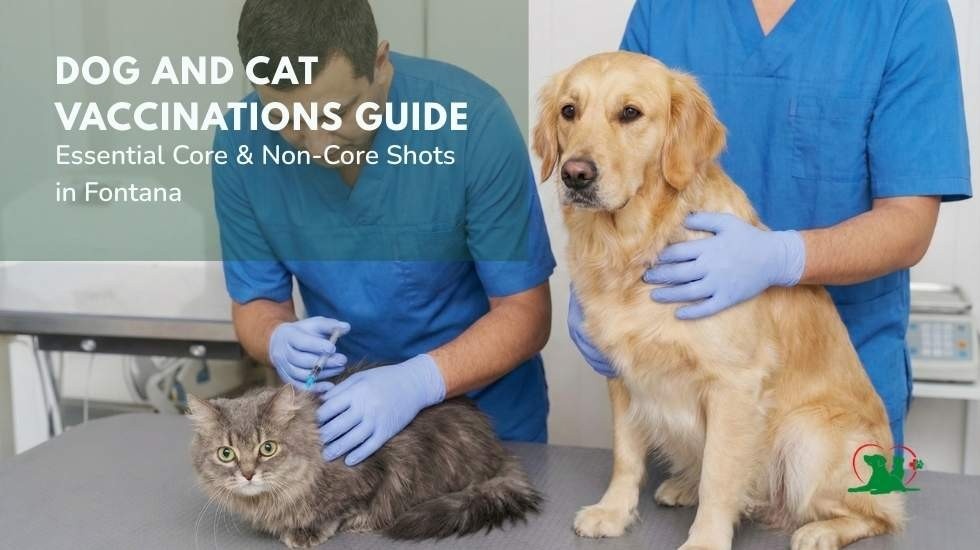
This dog and cat vaccinations guide breaks it all down for pet parents like you. You’ll learn the difference between core and non-core vaccines, which shots are legally required in California, and how vets build a pet vaccination schedule Fontana based on your pet’s age, lifestyle, and local disease risk.
Key Takeaways
➤ Core vaccines for dogs and cats like rabies, DHPP, leptospirosis, and FVRCP protect all pets from serious, widespread diseases, while non-core vaccines depend on lifestyle and exposure risk.
➤ In California, rabies vaccination is legally required for dogs and strongly recommended for all cats, including indoor-only pets.
➤ Leptospirosis is now classified as a core vaccine for dogs due to rising cases and its ability to spread to humans.
➤ Puppies and kittens require a vaccine series to build immunity as maternal antibodies fade.
➤ Vets create personalized pet vaccination schedule Fontana based on age, health, lifestyle, and local disease trends in Fontana.
Core vs Non Core Vaccines Pets: What’s the Difference?
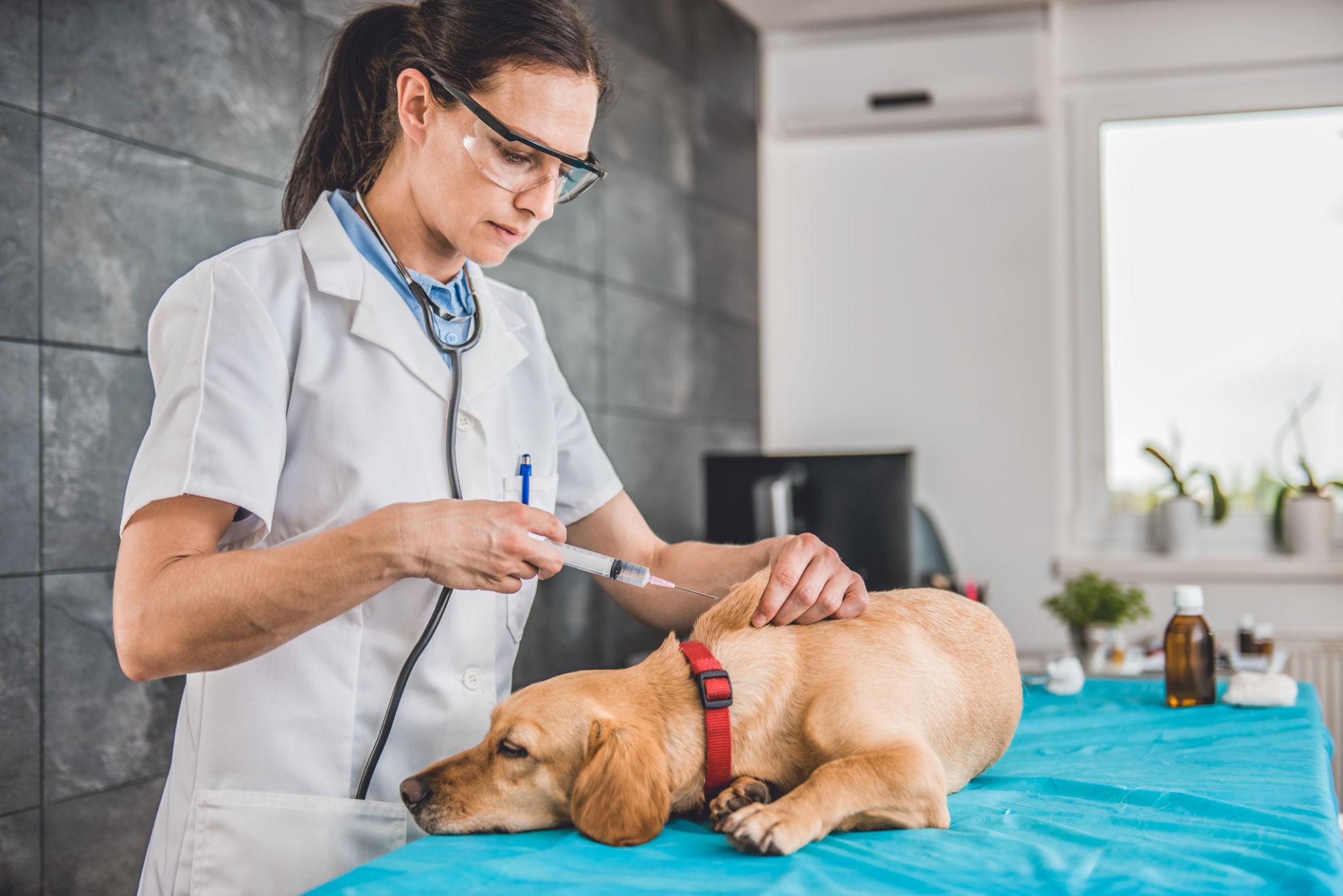
Core vaccines for dogs and cats are recommended for all pets, no matter where they live or what they do. These vaccines protect against diseases that are widespread, serious, or transmissible to humans. This highlights the importance of pet vaccinations in every household.
According to AAHA, every dog and cat should receive core vaccines, as clearly outlined in this dog and cat vaccinations guide, throughout their life as part of routine pet vaccination services.
Non-core vaccines are recommended, depending on the lifestyle, location, and exposure risk of your pet. These vaccines target diseases that not every pet will encounter. If your dog goes to dog parks, swims in ponds, or stays at a boarding facility, their non-core needs will likely be different from those of a dog that stays mostly at home.
Here’s a simple breakdown:
| Feature | Core Vaccines | Non-Core Vaccines |
| Who needs them? | All dogs and cats | Some pets, based on lifestyle |
| Based on lifestyle? | No | Yes |
| Based on location? | No | Yes |
| Examples (dogs) | Rabies, DHPP, Leptospirosis | Bordetella, Canine Influenza, Lyme |
| Examples (cats) | Rabies, FVRCP | FeLV, Chlamydia, Bordetella |
| Required by law? | Rabies (yes, in CA) | No |
Both types matter. Core vaccines for dogs and cats protect your pet from diseases found almost everywhere. Non-core vaccines add protection based on what your specific pet actually does and where they go.
Dog Vaccination Guide Fontana: What Core Vaccines Does Your Dog Need?
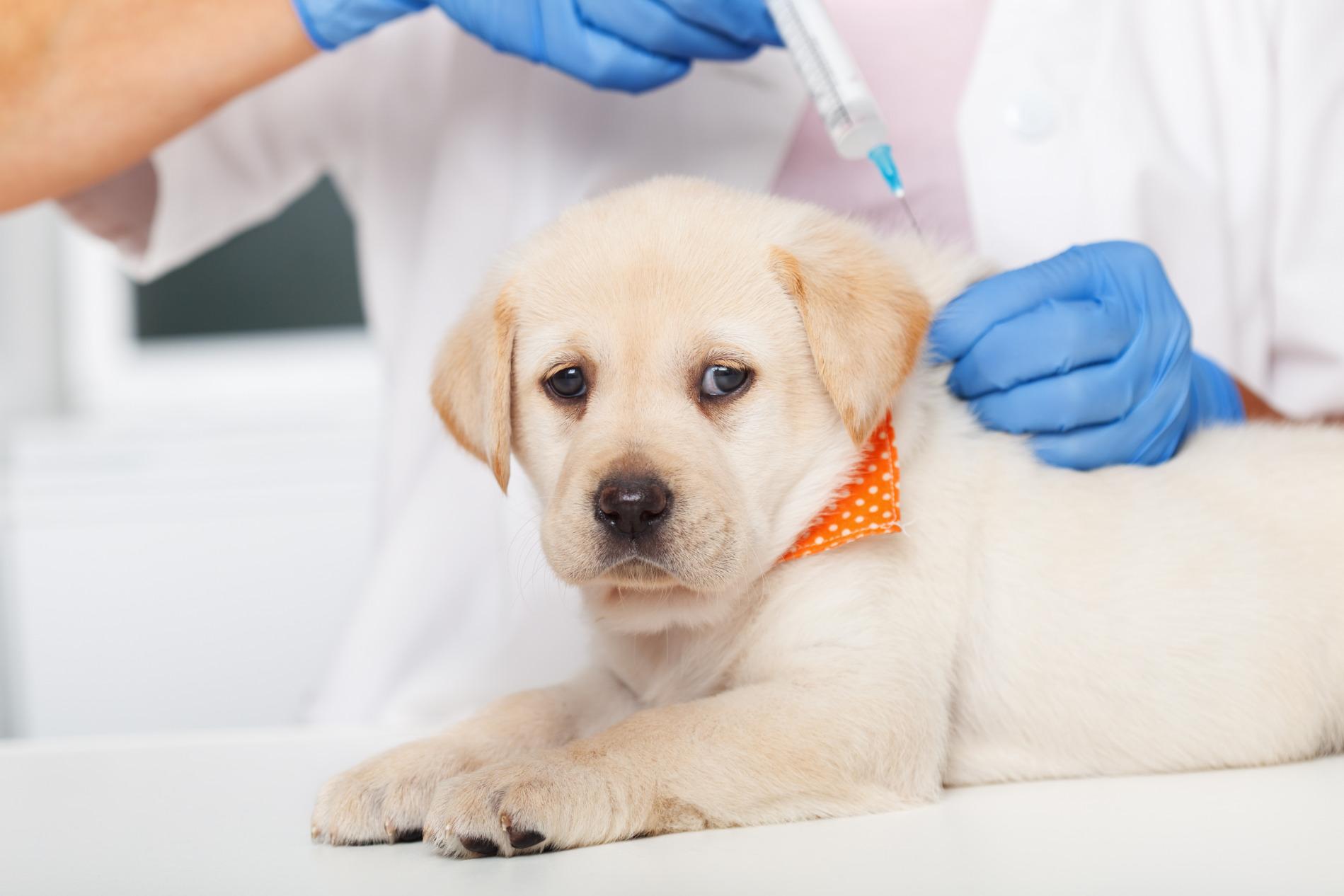
If you have a dog in Fontana, these are the vaccines they should receive. AAHA classifies all of the following as core vaccines for dogs:
1. Rabies Vaccine
Rabies is a fatal viral disease that affects the brain and nervous system. It spreads through bites from infected animals. In California, rabies circulates in wildlife, mainly skunks and bats, according to the California Department of Public Health (CDPH).
Why it matters in Fontana: California has declared all 58 counties as rabies areas every year since 1987. This includes San Bernardino Country, where Fontana is. Your dog doesn’t need to roam far to encounter wildlife. A single bite from a rabid skunk or bat can be fatal.
Timing: California law requires all dogs four months of age and older to receive a rabies vaccine from a licensed veterinarian. Your dog will need a follow-up dose one year after the first shot. After that, a booster every three years is required for licensing under standard dog vaccination services protocols.
2. DHPP Vaccine (Distemper, Hepatitis, Parvovirus, Parainfluenza)
This is a combination vaccine. It’s sometimes called the “distemper shot” or the “4-in-1.” It covers four diseases in a single injection.
What each component protects against:
(i) Distemper: A serious viral illness that attacks the respiratory, digestive, and nervous systems. There’s no cure. It spreads through airborne droplets and shared water bowls.
(ii) Adenovirus (Hepatitis): Also called canine hepatitis, this virus attacks the liver. It spreads through urine, feces, and saliva from infected dogs.
(iii) Parvovirus: A highly contagious and potentially fatal disease. It causes severe vomiting, bloody diarrhea, and dehydration. Unvaccinated puppies under four months are the most at risk.
(iv) Parainfluenza: A respiratory virus that contributes to kennel cough. It spreads easily in social settings like dog parks and boarding facilities.
Why it matters in Fontana: Parvovirus is especially stubborn. It can survive on surfaces, in soil, and in environments for long periods. Any public space your dog visits can carry the virus. Parvo treatment is aggressive, costly, and not always successful. Vaccination is far simpler.
Timing: According to AAHA’s 2022 Canine Vaccination Guidelines, puppies 16 weeks old or younger should receive at least three doses of DHPP, given two to four weeks apart, between 6 and 16 weeks of age.
Dogs older than 16 weeks need two doses, two to four weeks apart. A booster follows one year after the last dose in the series. After that, boosters are given every three years.
3. Leptospirosis Vaccine
Leptospirosis is a bacterial infection that damages the kidneys and liver. Dogs can pick it up by walking through, drinking, or sniffing contaminated water, mud, or soil. Infected wildlife, including rats and raccoons, spread the bacteria through their urine.
Why it matters in Fontana and across California: In 2024, AAHA updated its canine vaccination guidelines to classify leptospirosis as a core vaccine for all dogs. This change came as cases continue to rise across California.
In early 2026, health officials in Los Angeles County reported active leptospirosis cases in dogs. A 2021 LA County outbreak involved hundreds of dogs, 13 deaths, and 91 hospitalizations, with a large share linked to dog parks.
Leptospirosis is also a zoonotic disease, meaning it can spread from dogs to humans. This makes vaccination important for your whole family, not just your pet.
Timing: Puppies can start the series at 12 weeks of age. Two doses are administered two to four weeks apart. A booster follows within one year. Annual boosters are required after that to maintain protection.
Lifestyle Based Pet Vaccines: What Are Non-Core Dog Vaccines?

These vaccines aren’t required for every dog. But if your dog’s lifestyle puts them at risk, your vet will recommend them. Here’s what to know about each one:
1. Bordetella (Kennel Cough) Vaccine
Bordetella bronchiseptica is the main bacterium behind kennel cough, a contagious respiratory illness. It causes a loud, persistent cough. It spreads fast in social settings.
When it’s recommended: If your dog visits dog parks in Fontana, stays at a boarding facility, goes to a groomer, or attends doggy daycare, this vaccine is strongly recommended. Many boarding facilities in California require proof of Bordetella vaccination before they accept your dog.
2. Canine Influenza Vaccine (H3N8 and H3N2)
Canine influenza is a contagious respiratory illness. It spreads through direct contact, shared surfaces, and airborne droplets. Two strains currently circulate in the U.S.—H3N8 and H3N2.
When it’s recommended: AAHA recommends this vaccine for dogs that have regular contact with other dogs, including those that board, attend training classes, or visit dog parks. Fontana’s growing community means more dogs in shared spaces, which increases exposure risk.
Timing: Two doses are given two to four weeks apart. An annual booster maintains protection.
3. Lyme Disease Vaccine
Bacteria transmitted by tick bites cause Lyme disease. It causes joint pain, fever, fatigue, and in serious cases, kidney damage.
When it’s recommended: Lyme disease isn’t endemic in the Fontana area the way it’s in the northeastern United States. However, if your dog hikes, travels to tick-heavy regions, or spends time in tall grass or wooded areas, your vet may recommend this vaccine.
Cat Vaccination Guide Fontana: What Are Core Feline Vaccines?
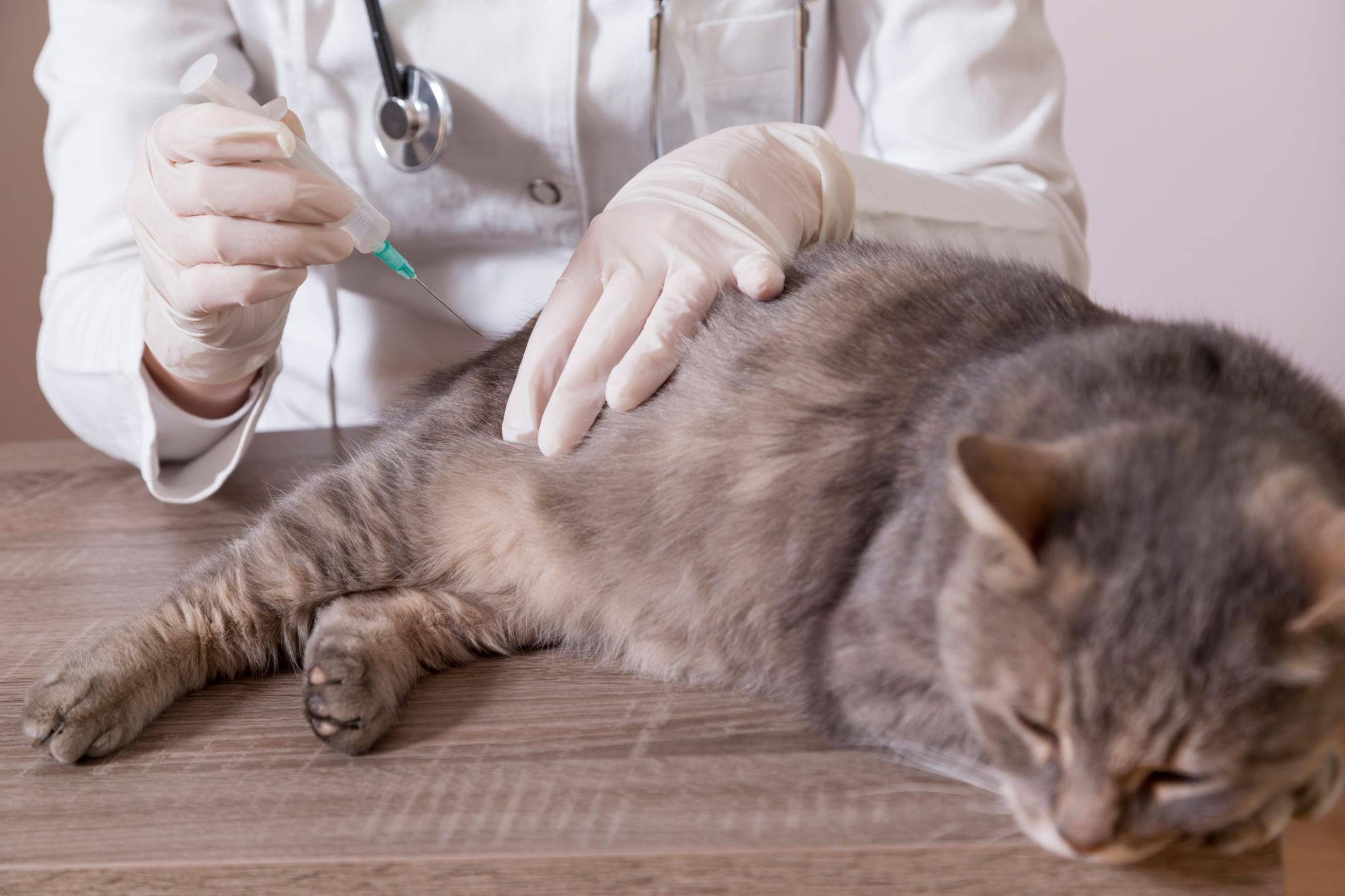
Cats need essential pet vaccinations Fontana, too, whether they go outside or not. Understanding which vaccines your cat needs can also help pet owners estimate the overall cat vaccine cost for routine preventive care.
Here are the core vaccines included in essential cat vaccination services for every cat:
1. Rabies Vaccine
Same as with dogs, the rabies vaccine prevents a fatal brain disease spread through bites from infected animals.
Why even indoor cats need it: According to the CDPH, the AAHA, the FelineVMA, and the AVMA, all cats should receive a rabies vaccine, even those that live exclusively indoors.
Each year in the U.S., roughly twice as many cats are confirmed rabid compared to all other domestic animals combined, at about 250 cats annually.
Indoor cats can escape. Wildlife can enter a home. Bats have been found inside residences across California. A single exposure can be fatal without prior vaccination.
Timing: Cats should receive their first rabies vaccine at around three months of age. A booster follows one year later. After that, boosters are given every three years, depending on the vaccine used.
2. FVRCP Vaccine (Feline Viral Rhinotracheitis, Calicivirus, Panleukopenia)
This combination vaccine covers three serious diseases. It’s often called the “distemper vaccine” for cats or the “3-in-1.” It is a core vaccine for all cats.
What each component protects against:
(i) Feline Viral Rhinotracheitis (Herpesvirus): A respiratory infection that causes sneezing, nasal discharge, and eye inflammation. It’s very common in cats and can become a lifelong issue once contracted.
(ii) Calicivirus: Another upper respiratory virus. It can cause sores in the mouth and, in severe cases, affect multiple organs. It spreads easily through direct contact and contaminated surfaces.
(iii) Panleukopenia (Feline Distemper): A severe and often fatal disease that attacks rapidly growing cells in the body, including the digestive system and bone marrow. It is highly infectious and can remain in the environment for a long time.
Why it matters: All three diseases in this vaccine can spread indoors if your cat has any contact with the outside world, including through windows with stray cats nearby, shared air, or even clothing carried in from outside.
Timing: Kittens receive FVRCP starting at 8 weeks of age. A booster follows at 12 weeks, and another at 16 weeks. A one-year booster comes after the initial series. After that, boosters are given every three years per the 2020 AAHA/AAFP Feline Vaccination Guidelines.
What Are Non-Core Vaccines for Cats?
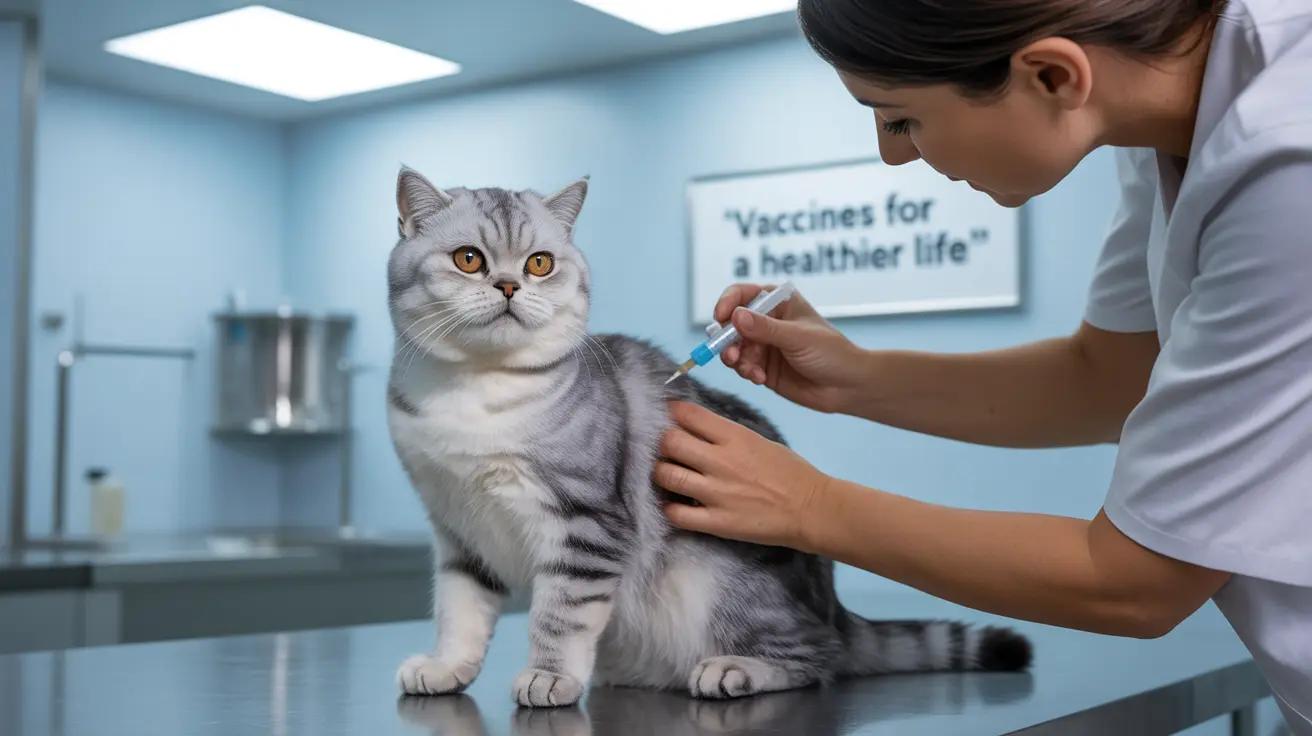
These vaccines are given based on your cat’s lifestyle and risk of exposure:
1. Feline Leukemia Virus (FeLV) Vaccine
Feline leukemia virus, or FeLV, is a serious viral infection that weakens a cat’s immune system over time. It can lead to cancer, anemia, and secondary infections. FeLV spreads through close contact with infected cats, including grooming, shared food bowls, and bites.
When it’s recommended: The 2020 AAHA/AAFP Feline Vaccination Guidelines recommend FeLV vaccination for all kittens as part of their initial series, because kittens face a higher risk and their exposure status is often unknown.
For adult cats, FeLV vaccination is recommended for those that go outdoors, have contact with other cats of unknown vaccination status, or live in multi-cat households with cats that have outdoor access.
If your cat ever ventures outside in Fontana, this vaccine is worth discussing with your vet. Stray cats are present in many neighborhoods across San Bernardino County, and FeLV can spread with a single social interaction between cats.
2. Other Situational Feline Vaccines
(i) Chlamydia felis: A bacterial infection that causes conjunctivitis (eye inflammation). It’s recommended for cats in high-density environments, like shelters or catteries.
(ii) Bordetella bronchiseptica (cats): This vaccine is recommended for cats in high-contact environments. It’s not commonly needed for a typical household cat, but may be relevant for cats in shelters or multi-cat homes.
Your vet will ask about your cat’s lifestyle and recommend only what they actually need.
How Often Pets Need Vaccines: Dog & Cat Immunization Schedule
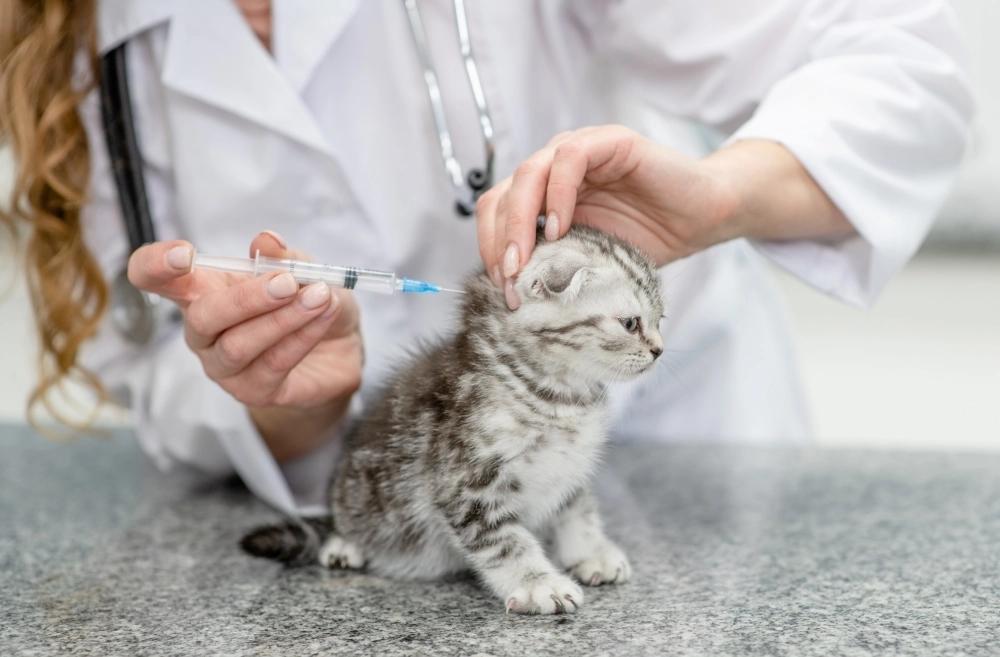
The first few months of your pet’s life are critical for building a strong immune system. This is why following a structured puppy and kitten vaccination guide is so important.
Puppies and kittens receive protective antibodies from their mother’s milk. But this maternal immunity fades over time. Vaccines step in to fill that gap. This is why puppies and kittens receive a series of essential pet vaccinations Fontana rather than just one shot under recommended dog and cat vaccination schedules.
The series is designed to catch that window when maternal immunity drops and the young immune system is ready to respond to vaccination.
Why multiple doses? Each dose builds on the last. The immune system learns, strengthens, and develops memory. By the end of the series, your pet’s immune system knows exactly how to fight those diseases.
1. General Puppy Vaccination Timeline
| Age | Vaccines |
| 8 weeks | DHPP (first dose) |
| 10 to 12 weeks | DHPP (second dose), Leptospirosis (first dose) |
| 14 to 16 weeks | DHPP (third dose), Leptospirosis (booster), Rabies |
| 12 to 16 months | DHPP booster, Rabies booster |
| Every 1 to 3 years | Boosters based on vaccine type and risk |
2. General Kitten Vaccination Schedule
| Age | Vaccines |
| 8 weeks | FVRCP (first dose), FeLV (first dose if recommended) |
| 12 weeks | FVRCP (second dose), FeLV (second dose if recommended) |
| 16 weeks | FVRCP (third dose), Rabies |
| 12 months | FVRCP booster, FeLV booster, Rabies booster |
| Every 1 to 3 years | Boosters based on vaccine type and lifestyle |
These are general timelines based on AAHA and AAFP guidelines. Your vet may adjust timing based on your specific puppy or kitten.
If your pet’s vaccine history is unknown or they are overdue, AAHA’s guidance is clear. The benefits of vaccinating almost always outweigh the risks. When in doubt, vaccinate.
What Vaccines Are Mandatory for Pets in California?
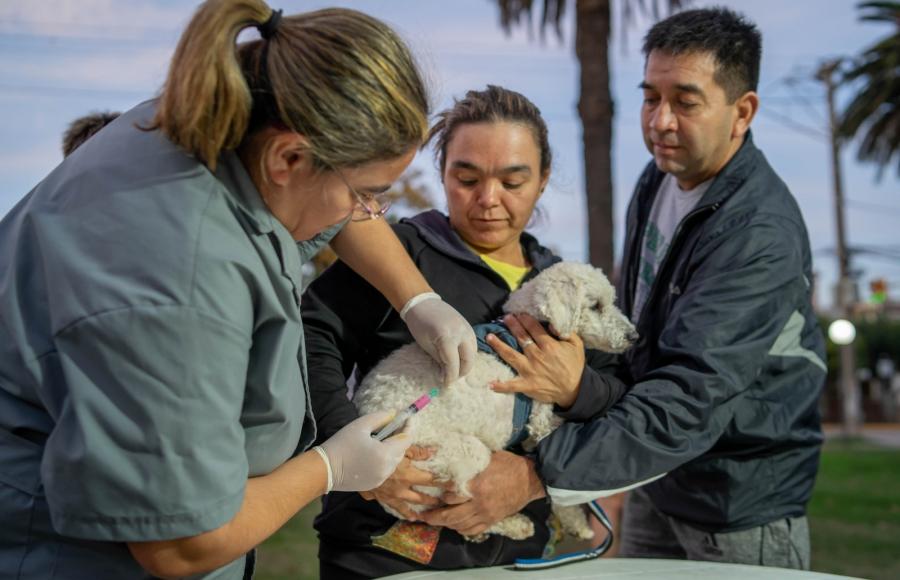
California takes pet vaccination seriously. Here’s what you need to know if you live in Fontana.
1. Rabies Vaccination for Dogs
Under California Health and Safety Code Section 121690(b), all dogs three to four months of age or older must be vaccinated against rabies. California regulations require that dogs be vaccinated with a USDA-licensed rabies vaccine labeled with a three-year duration of immunity.
Your dog also needs to be licensed through your local city or county, which requires proof of current rabies vaccination.
For Fontana residents, dog licensing is managed through the City of Fontana. Your dog’s rabies vaccine certificate from a licensed veterinarian is required as part of the licensing process.
2. Rabies Vaccination for Cats
California law doesn’t currently mandate rabies vaccination for cats. However, all major veterinary organizations, including AAHA, AAFP, and AVMA, strongly recommend rabies vaccination for all cats, including indoor-only cats.
Local authorities in California also strongly encourage cat parents to vaccinate their cats due to rising cases of domestic rabid cats reported each year.
Why Compliance Matters
Skipping your dog’s rabies vaccine is not just a legal risk. It is a health risk for your pet, your family, and your community. California has declared all 58 counties as active rabies areas. Wildlife in Fontana and the surrounding San Bernardino hills can carry rabies. An unvaccinated dog that gets bitten by a rabid animal faces potentially fatal consequences.
Staying current on your pet’s rabies vaccine keeps your pet protected, keeps your family safe, and keeps you compliant with California law.
How Vets Create a Personalized Pet Vaccination Schedule Fontana?

Not every pet needs the exact same vaccines on the exact same schedule. At Jurupa Hills Animal Hospital, our pet care services look at several key factors before building your pet’s vaccine plan.
1. Age
Young pets need a series of shots to build initial immunity, as recommended in this dog and cat vaccinations guide. Adult pets need boosters to keep that immunity strong. Senior pets may have different immune responses, and our vets take that into account too.
2. Health History
A pet with certain underlying health conditions may need adjustments to their vaccine schedule. If your pet has had side effects of pet vaccinations in the past, your vet will know what to watch for and how to manage follow-up visits safely.
3. Lifestyle and Daily Routine
This is one of the most important factors. A dog that spends most of its time indoors has different risks than a dog that goes to a dog park in Fontana three times a week. A cat that goes outside faces different exposure risks than a strictly indoor cat. We ask about your pet’s habits so we can match indoor pet vaccination needs to real risks.
4. Local Disease Risk in Fontana
Where your pet lives shapes their risk. Fontana is part of San Bernardino County, which sits in an active rabies zone. Leptospirosis cases have been reported across California, including Los Angeles County, which borders our region.
Dog parks and standing water after seasonal rain create conditions for lepto transmission. Wildlife like skunks, bats, and raccoons are present in and around Fontana.
Our vets stay current on local disease trends. That means your pet’s vaccine plan—and the corresponding kitten and puppy vaccination prices—reflect what’s actually circulating in the area, not just what a generic chart recommends.
5. Personalized Plans
At Jurupa Hills Animal Hospital, we treat every pet as an individual. We review your pet’s vaccine history, ask about their lifestyle, and build a preventive pet care vaccinations plan that gives them the best protection for their specific life.
Your Pet Can’t Tell You When They’re at Risk. You Can Act for Them.
Protecting your pet starts with the right, essential pet vaccinations Fontana at the right time. Core vaccines for dogs and cats, like rabies, DHPP, Leptospirosis, and FVRCP, are essential for all dogs and cats.
Non-core options like Bordetella, Canine Influenza, and FeLV add a personalized layer of defense. There are strict rabies vaccine requirements California for all dogs, and good sense extends that urgency to cats, too.
At Jurupa Hills Animal Hospital, our vets create personalized pet vaccination schedule Fontana, tailored to local disease risks and your pet’s individual lifestyle. Don’t leave your pet’s protection to chance. Send us a message, schedule your pet’s appointment, or call our clinic at (+1) 909‑333‑1565 to get started and get the right plan for your pet.
Frequently Asked Questions
Share This Article

Written by : Jurupa Hills Animal Hospital
Jurupa Hills Animal Hospital is proud to serve the Fontana, CA area for everything pet-related. Our veterinary clinic and animal hospital is run by Dr. Avtar Gill, who is a licensed, experienced Fontana veterinarian. Our team is committed to educating our clients on how to keep your pets healthy year round, with good nutrition and exercise. Jurupa Hills Animal Hospital stays on top of the latest advances in veterinary technology and above all, remembers that all animals and pets need to be treated with loving care in every check-up, procedure, or surgery.
All Categories
- Pet Allergies
- Pet Dental
- Pet Euthanasia
- Pet Microchipping
- Pet Parasite
- Pet Routine Checkup
- Pet Surgery
- Pet Vaccination
- Spaying and Neutering
Related Articles

October 6, 2026
October 6, 2026
October 6, 2026