Share This Article
The best age to spay a cat is between 4 and 6 months, ideally before her first heat cycle. Early spaying helps prevent unwanted pregnancies, reduces the risk of mammary cancer and uterine infections, and minimizes heat-related behaviors. This gives your cat the best chance at a healthier life.
- How Cat Spay Fontana CA Supports Better Long-Term Wellness
- What Age Should a Cat Be Spayed?
- Signs That Indicate It’s Time for Cat Spay Fontana
- What Felines Undergo During Sterlization at a Spay and Neuter Clinic Fontana
- Kitten Spay and Neuter Fontana: Day by Day Recovery Timeline
- Risks of Spaying Your Cat Too Early or Too Late
- Give Your Cat a Healthy Start With Early Sterilization!
A four-month-old kitten is still a baby, but she can already get pregnant. Many parents are surprised by how fast feline maturity happens, making the timing of a spay surgery very important.
In this cat spaying age guide Fontana, you’ll explore the best age to spay a cat and why timing the surgery before the first heat cycle is so helpful.
You’ll also learn about the long-term health benefits, the specific signs that it’s time for the procedure, and what happens during the surgery. We have shared a day-by-day recovery timeline and explained the risks of waiting too long.
Key Takeaways
-
Most veterinarians recommend spaying female cats between 4 and 6 months of age, ideally before their first heat cycle, to maximize long-term health benefits.
- Early spaying helps prevent unwanted pregnancies, pyometra, mammary cancer, heat-related behaviors, spraying, and excessive roaming.
- Common signs it’s time to spay include loud vocalization, increased affection, mating posture, urine marking, and attempts to escape outdoors.
- Most cats recover within 10–14 days, with careful incision monitoring, restricted activity, and proper post-operative care supporting smooth healing.
- Not knowing how old to spay a cat in Fontana and delaying spaying increases the risks of accidental pregnancy, reproductive diseases, and more complex surgical procedures later in life.
How Cat Spay Fontana CA Supports Better Long-Term Wellness
Most pet parents choose to spay their cats to prevent pregnancy, but the actual benefits of spaying and neutering are much broader. Here’s how the spaying and neutering services help your cat live a better life:
1. Eliminates pyometra risk: Spaying removes the uterus and ovaries to prevent a deadly infection.
2. Reduces cancer risk: It lowers the chance of breast, uterine, or ovarian cancers.
3. Prevents heat cycle stress: It stops loud crying and the urge to escape.
4. Prevents pregnancy complications: It avoids the health risks of pregnancy and birth.
5. Improves lifespan: Spayed pets live longer by avoiding reproductive diseases.
6. Less roaming: Your cat stays home and avoids traffic or fights.
7. Reduced marking: It stops cats from spraying urine inside your home.
What Age Should a Cat Be Spayed?
Most veterinarians agree on how old to spay a cat in Fontana, but the best age to spay a cat might depend on the specific situation. Here’s the general cat spaying age guide advice:
Vet-recommended age (4–6 months)
This is the ideal vet recommended age to spay cat. We want to perform the surgery before the first heat cycle. This ensures the best protection against mammary cancer. Your kitten is also strong enough to handle anesthesia well at this stage, making it the perfect time if you’re thinking about when to spay a kitten.
Can kittens be spayed earlier?
Kittens can sometimes be spayed as early as 8 to 12 weeks. This is common in animal shelters to ensure cats are fixed before adoption and to help manage the overall cost of spaying a cat. It’s a safe option if the kitten weighs at least two pounds.
Is it too late to spay an adult cat?
It’s never too late to help your pet. While younger is better, adult cats still get many health benefits from being fixed. We take extra care with older cats to ensure they stay safe during the process.
Signs That Indicate It’s Time for Cat Spay Fontana

Recognizing heat cycle behaviors can help determine the right time to schedule a cat spay procedure in Fontana.
If your cat hasn’t been spayed yet, she’ll eventually start showing very clear signs that her body is changing, highlighting why professional cat spay timing recommendations are so important. Here’s what to watch for in her behavior:
1. Excessive vocalization: Female cats in heat often yowl, meow loudly, or cry, particularly at night, to attract males.
2. Increased affection and rubbing: Your cat may become overly affectionate, rubbing against furniture, people, and rolling on the floor.
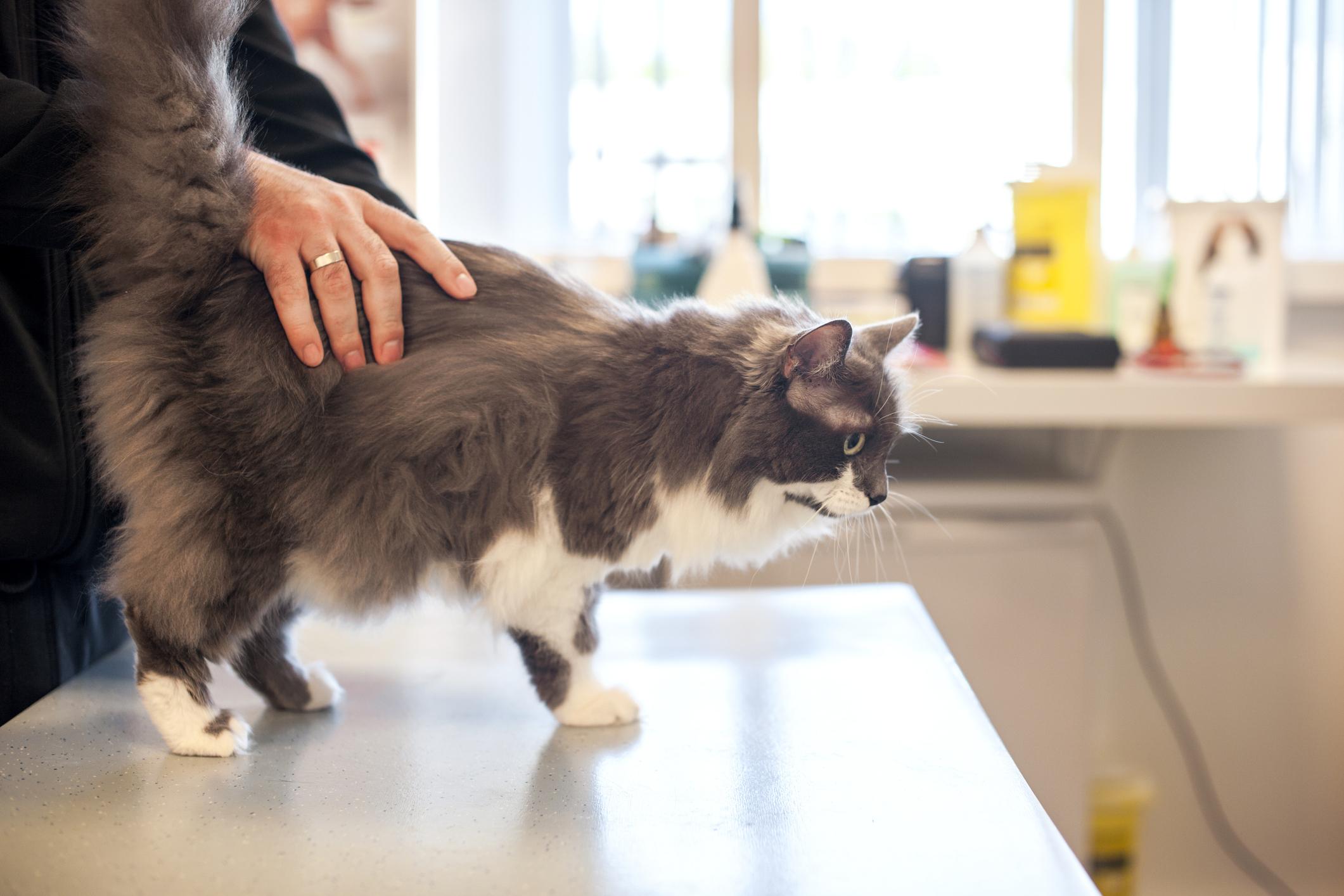
3. Assuming the mating posture: She may lower her front end and raise her hindquarters in the air (lordosis), often while treading with her hind legs.
4. Attempting to escape: A sudden, intense desire to go outside to find a mate is common.
5. Marking/Spraying: She may begin spraying urine on vertical surfaces in the house to mark her territory, raising the question of “When can cats be spayed?” to avoid these habits.
What Felines Undergo During Sterlization at a Spay and Neuter Clinic Fontana
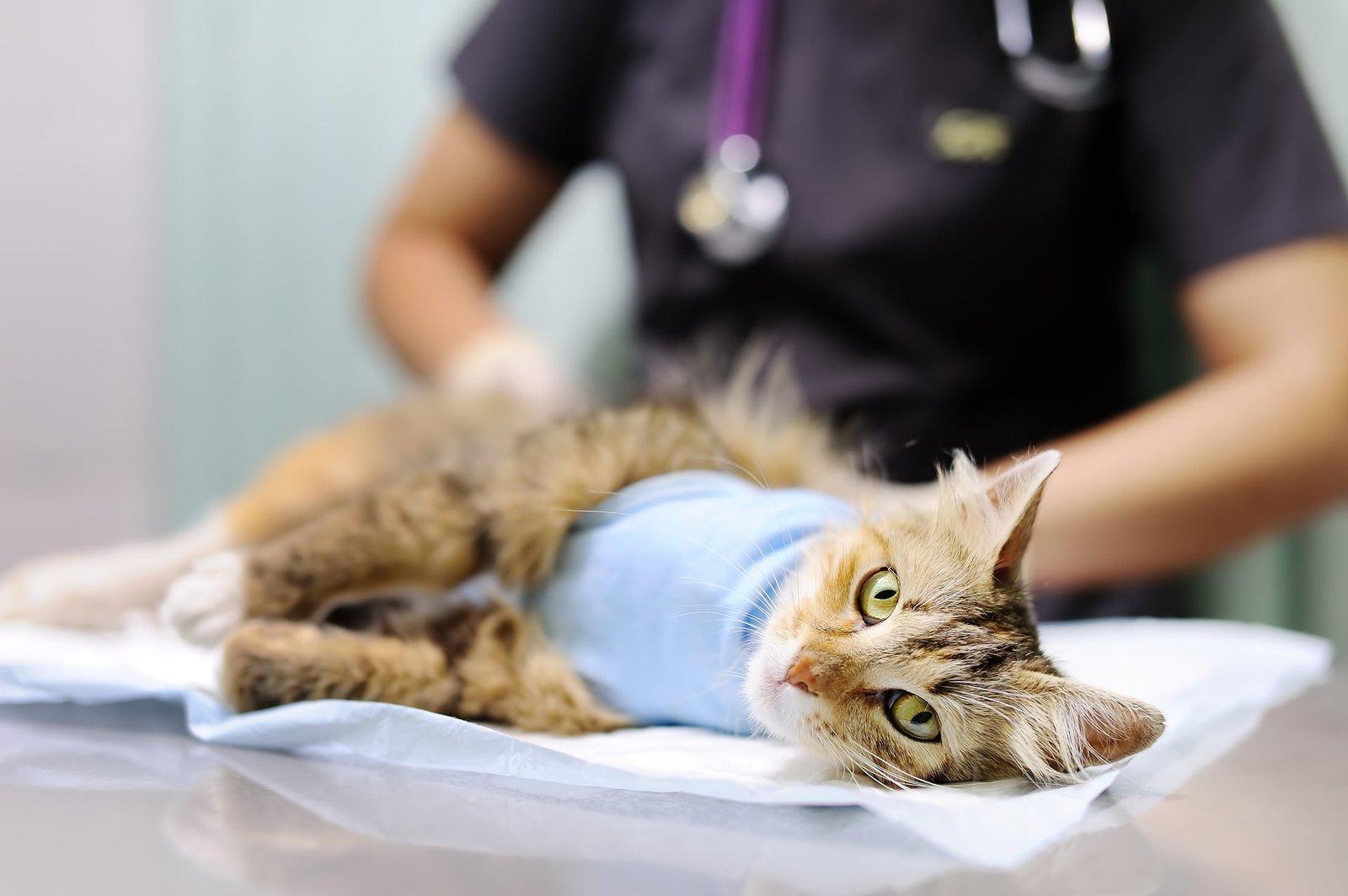
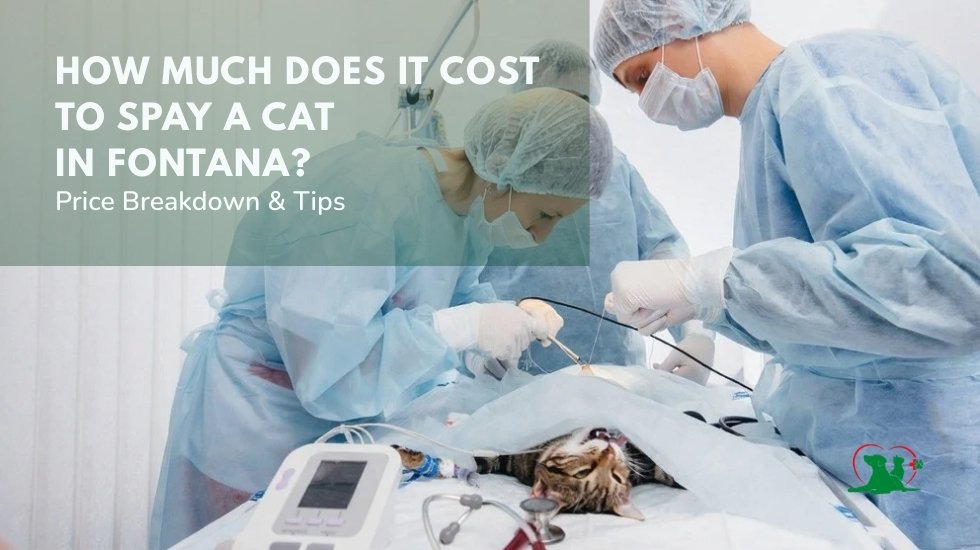
A veterinarian monitors a cat after a safe spay procedure to ensure a smooth recovery at a Fontana spay and neuter clinic.
The spaying process is a standard procedure that involves several careful steps to keep your cat safe and comfortable. Here’s what our veterinary team does:
1. Anesthesia and preparation: The cat is given sedative and pain-relief injections. Our team uses safe pet anesthesia to ensure they sleep comfortably and feel no pain.
2. Sterilization and positioning: The abdominal area is shaved, scrubbed with antiseptic, and the cat is placed on a heating blanket to maintain body temperature.
3. The surgery (ovariohysterectomy):
▸ Incision: A small incision is made below the belly button.
▸ Removal: The veterinarian locates, clamps, and removes both ovaries and the uterus (uterus removal depends on the technique) to prevent bleeding, known as hemostasis.
▸ Closure: The muscle layer is closed with dissolvable stitches, and the skin is closed with stitches, surgical staples, or skin glue.
4. Monitoring: While under, the cat’s vital signs, like heart rate and oxygen levels, are closely tracked.
5. Post-op recovery: The cat is moved to a recovery area, monitored until she wakes up, and kept warm.
Kitten Spay and Neuter Fontana: Day by Day Recovery Timeline

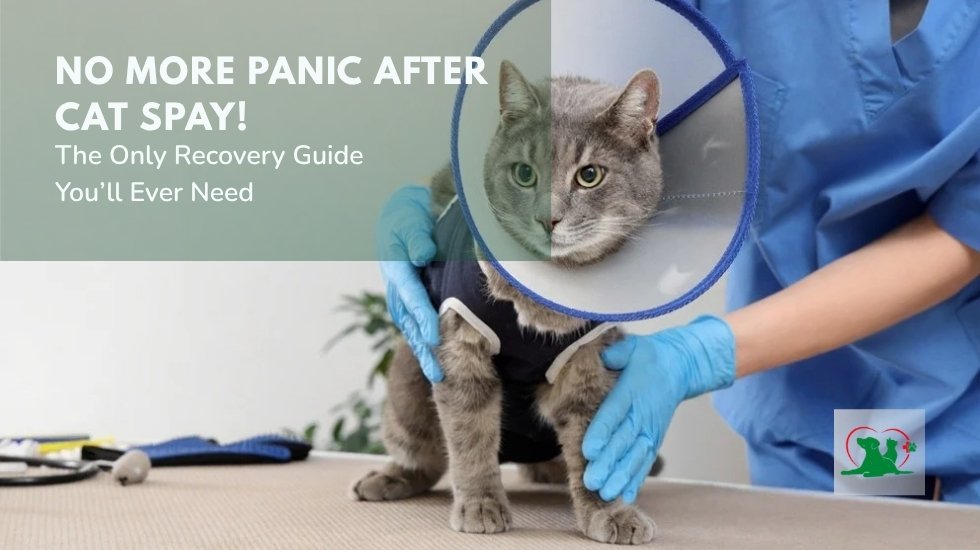
A kitten rests comfortably in a recovery suit after a successful spay procedure, supporting a smooth healing process.
Most cats are back to their normal selves within a couple of weeks after being fixed at the recommended spay kitten age Fontana CA. Here’s a quick guide on how to help your pet through the recovery period:
▸ Day 1 (surgery day): Your cat will feel sleepy from the medicine. Provide a quiet and warm space for her to rest immediately after picking up your cat after the spay.
▸ Day 2: Energy stays low while she wakes up more. Check the cut to make sure it stays clean.
▸ Days 3 to 5: Appetite and energy return. You must stop her from jumping so the stitches don’t break.
▸ Days 6 to 10: The area should look dry with small scabs. It shouldn’t look red or stay open.
▸ Days 11 to 14: The skin is now healed. Your cat can go back to her active life now.
Risks of Spaying Your Cat Too Early or Too Late
Every cat is different, and the timing of their surgery can have different effects. Here’s what you should know about the risks of spaying at different ages:
Risks of spaying too early (Under 4 months)
1. Surgical complications: Small kittens may get cold or have low blood sugar during surgery.
2. Physical development: Very early surgery might change how long bones grow in some cats.
3. Urinary issues: Some females might have trouble with bladder control later in life.
4. Immune system: Early surgery might affect how a kitten fights off various illnesses.
Risks of spaying too late (After 6 months or first heat)
1. Unwanted behaviors: Cats may start spraying urine or crying loudly to find a mate.
2. Pregnancy: Cats can get pregnant very young. Waiting often leads to accidental litters and missing the ideal age for cat spay surgery.
3. Cancer risks: Every heat cycle increases the chance of breast cancer as she ages.
4. Pyometra: Waiting raises the risk of a deadly uterine infection called pyometra.
5. Surgical complexity: Surgery is harder when a cat is in heat, and it increases bleeding risks.
Give Your Cat a Healthy Start With Early Sterilization!
Spaying your cat between 4 and 6 months is the best way to prevent unwanted pregnancies and serious health risks like mammary cancer. This routine procedure also removes the stress of heat cycles and improves your cat’s overall lifespan, as noted in this cat spaying age guide Fontana.
Jurupa Hills Animal Hospital provides safe, professional spay services in Fontana, ensuring your pet is closely monitored from anesthesia through recovery. Our experienced veterinary team is here to help your kitten live a long, healthy life.
If you’re ready to proceed, contact us, schedule an appointment, or call (+1) 909-333-1565 to connect with us for an appointment.
Frequently Asked Questions (FAQs)
Share This Article

Written by : Jurupa Hills Animal Hospital
Jurupa Hills Animal Hospital is proud to serve the Fontana, CA area for everything pet-related. Our veterinary clinic and animal hospital is run by Dr. Avtar Gill, who is a licensed, experienced Fontana veterinarian. Our team is committed to educating our clients on how to keep your pets healthy year round, with good nutrition and exercise. Jurupa Hills Animal Hospital stays on top of the latest advances in veterinary technology and above all, remembers that all animals and pets need to be treated with loving care in every check-up, procedure, or surgery.
All Categories
- Pet Allergies
- Pet Dental
- Pet Euthanasia
- Pet Microchipping
- Pet Parasite
- Pet Routine Checkup
- Pet Surgery
- Pet Vaccination
- Spaying and Neutering
Related Articles

September 8, 2026
September 8, 2026