Share This Article
Modern veterinary anesthesia is very safe when your pet is properly evaluated beforehand. Anesthesia for pets begins with a physical examination, bloodwork, and an individualized anesthetic plan. Continuous monitoring before, during, and after the procedure helps reduce risks and support recovery.
- What Is Pet Anesthesia?
- Why Do Vets Consider Anesthesia for Pets?
- What Are the Key Veterinary Anesthesia Protocols That Are Used to Ensure Animal Safety?
- What Are the Risks and Side Effects of Anesthesia for Pets?
- What to Expect Before, During, and After the Anesthesia Procedure
- Good Anesthesia Care Leaves Nothing to Chance!
Sitting in the waiting room while your pet is under anesthesia is one of the hardest parts of being a pet parent. It feels heavy, and the worry that follows is completely understandable. But behind that word is a carefully managed process designed to keep your pet safe and comfortable. Knowing what actually happens can quiet a lot of that fear.
If you’ve ever wondered what is pet anesthesia, this guide walks you through everything you need to know as a pet parent, from the types of anesthesia and why vets use them, to the protocols of anesthesia safety for pets, the real risks involved, common side effects, and what the full experience looks like for your pet.
Key Takeaways
-
Veterinary anesthesia is a carefully controlled process that prevents pain, keeps pets still during procedures, and supports safe medical treatment.
- Different forms of anesthesia, including general, local, regional, and sedation, are selected based on the pet’s health, age, breed, and procedure type.
- Comprehensive safety protocols include physical exams, bloodwork, continuous monitoring, IV fluids, and supervised recovery.
- Most healthy pets experience only mild, temporary side effects such as grogginess, reduced appetite, or slight disorientation after anesthesia.
- While anesthesia always carries some risk, modern monitoring standards and individualized care make serious complications extremely uncommon.
What Is Pet Anesthesia?
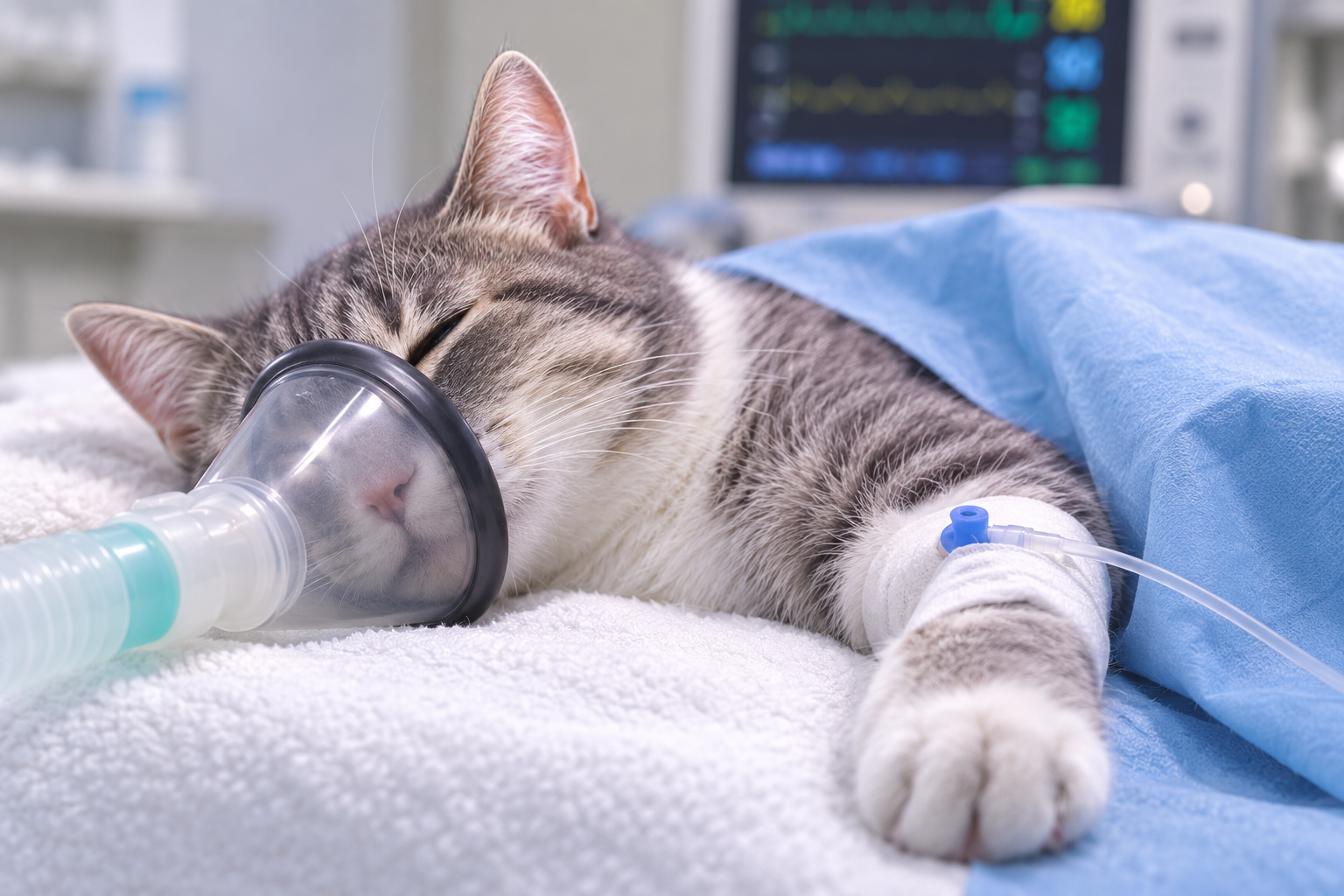
Anesthesia is a medically controlled state of unconsciousness. It blocks pain and keeps your pet from moving during a procedure. This is an important part of many pet care services. The basic idea helps you understand about veterinary anesthesia and how it keeps your pet safe during treatment.
Anesthesia gives veterinarians the ability to precisely control how deeply unconscious a pet is so they feel no pain and stay still during treatment.
There are a few types used in veterinary medicine:
1. General anesthesia puts your pet in a deep sleep. It’s used for pet surgeries and pet dental care procedures that take longer or involve more pain.
2. Sedation is a lighter level of unconsciousness. It’s used for shorter, less invasive procedures like X-rays or minor wound care.
3. Local anesthesia numbs only one area of the body. It’s used alongside other forms of anesthesia to manage pain in a specific spot.
4. Regional anesthesia blocks pain from a larger area of the body, like a limb. It’s often used with general anesthesia for orthopedic procedures.
Most pets receive a combination of these. Your vet chooses the right type based on your pet’s health, age, breed, and the specific procedure being done.
Why Do Vets Consider Anesthesia for Pets?
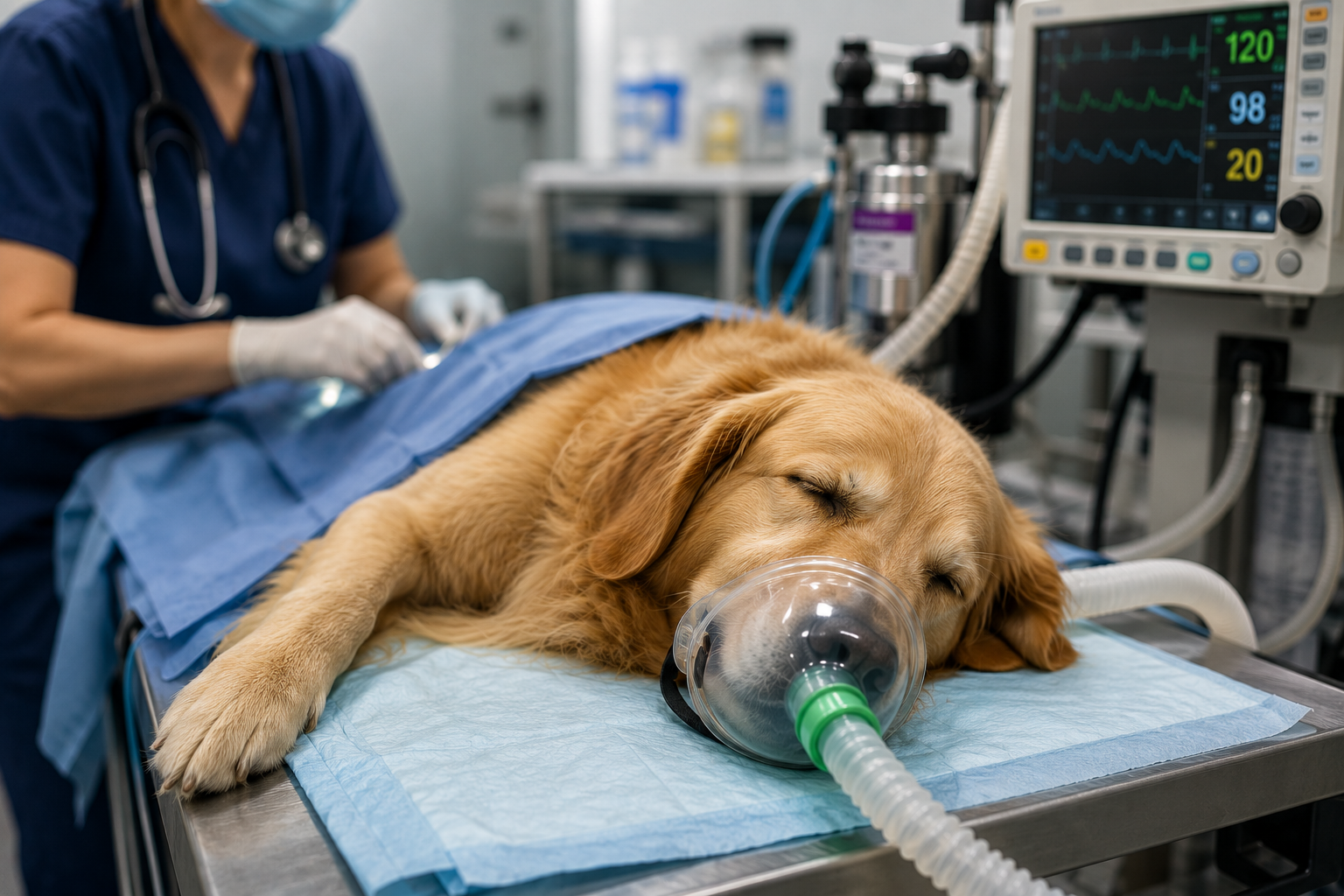
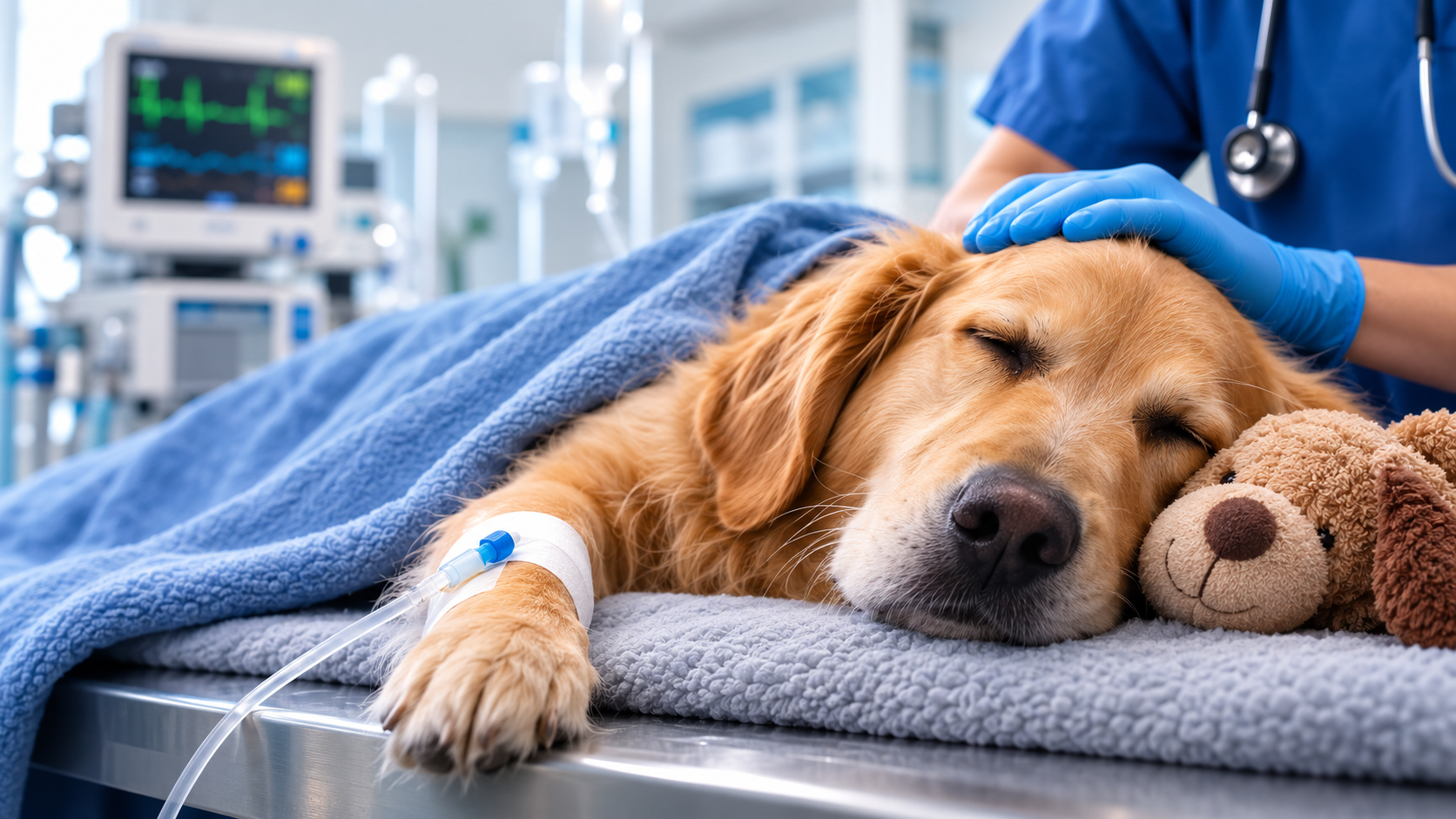
A Golden Retriever safely receiving veterinary anesthesia while being closely monitored during a surgical procedure.
Anesthesia makes it possible for your vet to help your pet without causing them distress or pain. This is why learning about veterinary anesthesia is important. Without it, many life-saving and health-protecting procedures simply couldn’t happen.
Your pet may need anesthesia for:
1. Spay and neuter surgeries — one of the most common reasons animals go under pet surgical anesthesia
2. Dental cleanings and tooth extractions — pets can’t hold still for this without sedation
3. Soft tissue surgeries — such as mass removal or internal repairs
4. Orthopedic procedures — like FHO or TPLO surgeries for joint problems
5. Emergency treatments — such as wound repair or trauma care
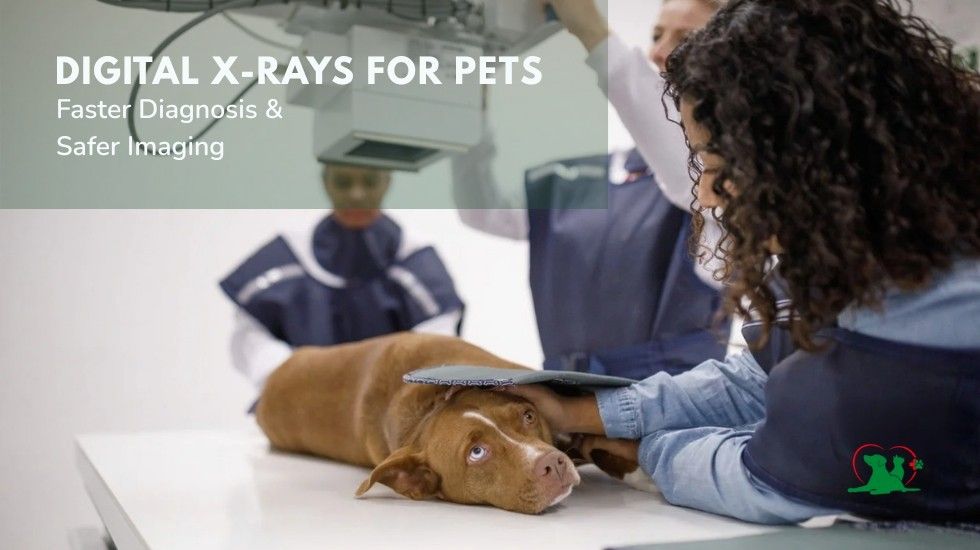
This controlled approach is also an important part of the pet euthanasia process and digital X-Rays for pets, where anesthesia or sedation helps keep pets calm and comfortable.
What Are the Key Veterinary Anesthesia Protocols That Are Used to Ensure Animal Safety?
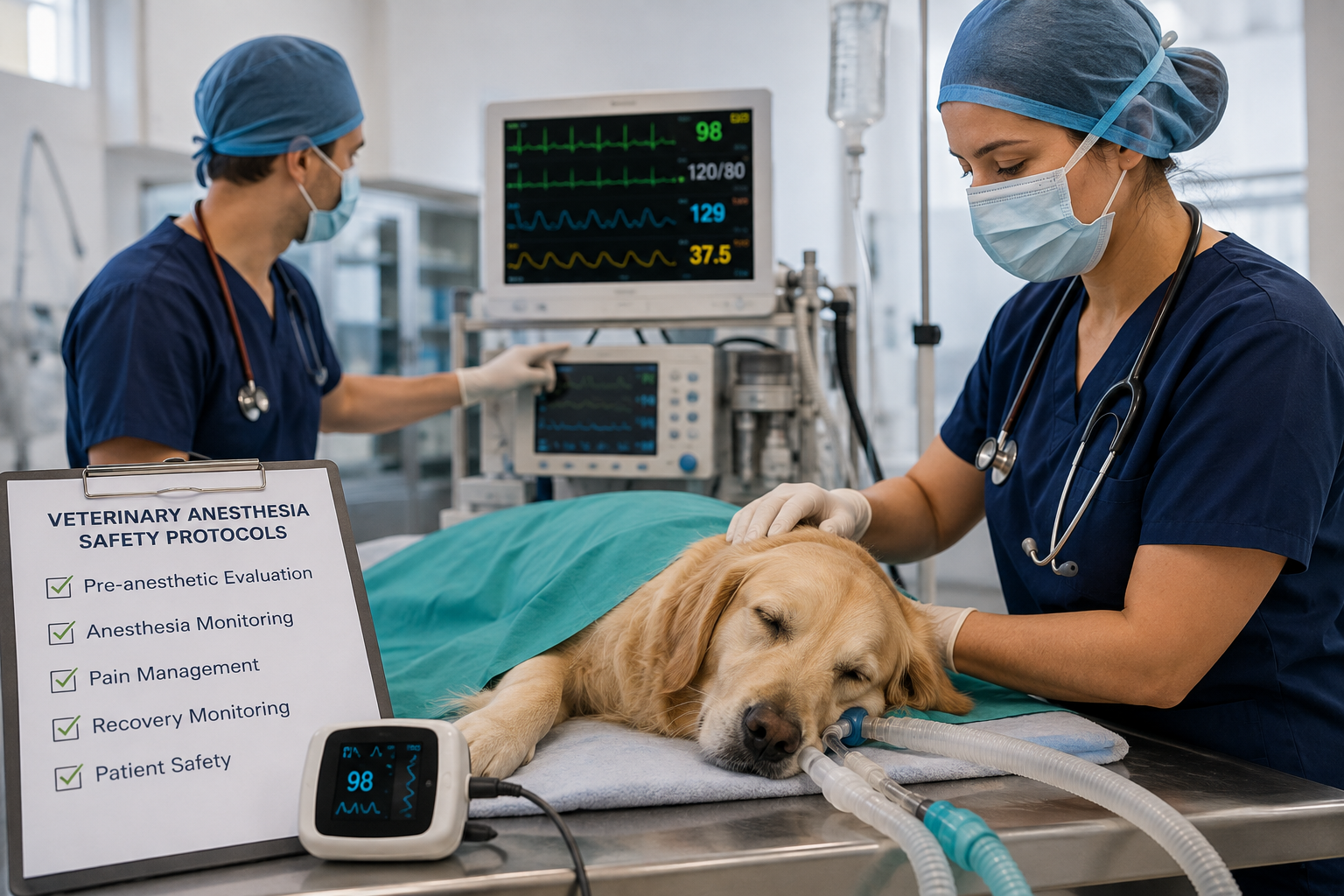
Veterinary anesthesia follows strict safety steps. The 2020 AAHA Anesthesia and Monitoring Guidelines for Dogs and Cats provide a detailed roadmap for every stage of anesthesia. At Jurupa Hills Animal Hospital, our team follows these guidelines to protect your pet at every step.
Pre-anesthetic evaluation
Before your pet receives any anesthesia, our team runs a full evaluation. This isn’t a formality; it’s a vital safety step.
This evaluation includes:
1. A full physical exam, completed within 12–24 hours before the procedure
2. A detailed medical history, including all medications, supplements, and past reactions to anesthesia
3. Pre-anesthetic blood work, which checks organ function and helps identify hidden health risks
4. Assessment of age, breed, and size, since toy-breed dogs and all cats have a higher risk of certain complications, like hypothermia
5. Temperament review, because a stressed or anxious pet may need adjusted drug doses
Certain breeds carry specific risks. For example, brachycephalic breeds—short-nosed dogs and cats like Bulldogs and Persians—have a higher risk of airway complications under anesthesia. Our team accounts for all of this before the first drug is ever given.
Monitoring during anesthesia
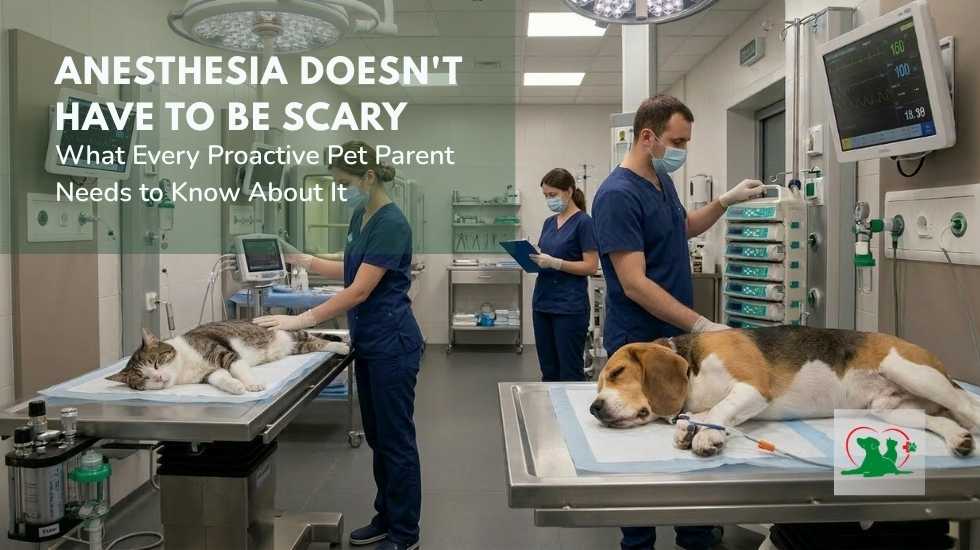
Once your pet is under anesthesia, continuous monitoring begins and doesn’t stop until your pet is awake and stable.
Pet anesthesia monitoring includes:
1. Pulse oximetry — measures the oxygen level in your pet’s blood
2. Blood pressure monitoring — keeps circulation safe throughout the procedure
3. Heart rate and ECG (electrocardiography) — watches your pet’s heart rhythm for any changes
4. Temperature monitoring — prevents hypothermia, which is a real risk, especially in smaller pets and cats
5. Endotracheal intubation — a breathing tube placed in the windpipe delivers anesthetic gas and ensures your pet gets enough oxygen
6. IV fluids — support blood pressure and help the body process the anesthetic safely
This level of monitoring is comparable to what a human receives during surgery. Your pet is never left unattended while under anesthesia.
Post-anesthesia recovery monitoring
Anesthesia recovery in pets doesn’t begin when the procedure ends. It begins before your pet even wakes up.
After the procedure, your pet is moved to a quiet, warm recovery area. Staff monitors them closely for any signs of complications. Warming blankets and pads prevent heat loss. The breathing tube stays in place until your pet is awake enough to swallow on their own.
At Jurupa Hills Animal Hospital, we don’t send your pet home until we’re confident they’re stable and recovering well.
What Are the Risks and Side Effects of Anesthesia for Pets?
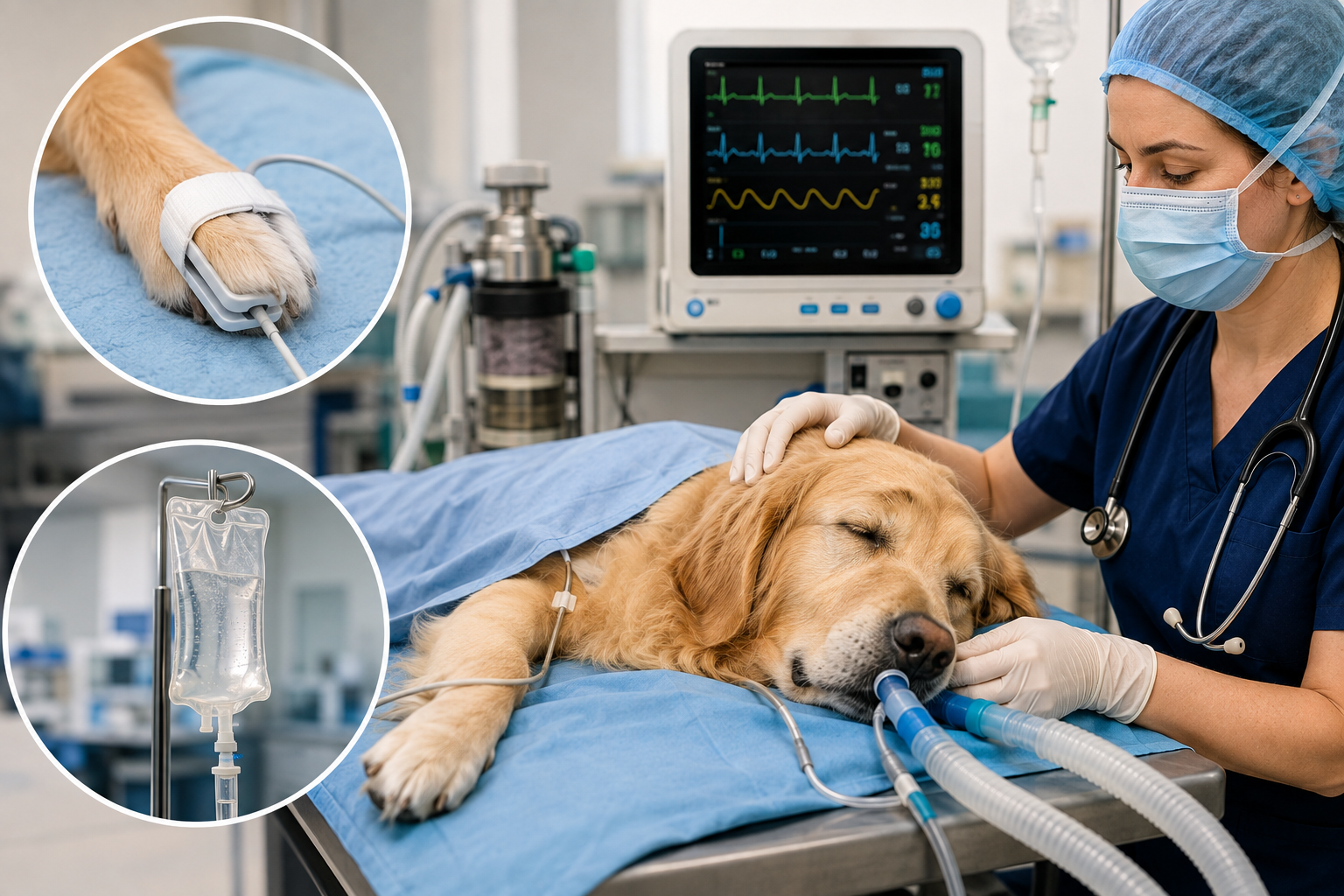
It would be misleading to say anesthesia carries zero risk. All medical procedures carry a risk of some kind. But the facts here are reassuring.
According to the 2020 AAHA Anesthesia and Monitoring Guidelines, the risk of anesthesia-related death in healthy dogs is estimated at just 0.05% (1 in 1,849). For healthy cats, the risk is slightly higher but still very low. These numbers rise if a pet has existing health problems, which is exactly why pre-anesthetic screening matters so much.
Common side effects
Most pets experience only mild, short-term side effects after anesthesia. These include:
1. Grogginess or sleepiness: This is normal and usually clears within 12 to 24 hours.
2. Nausea or vomiting: Mild nausea is fairly common right after recovery.
3. Lack of appetite: Many pets skip their first meal after a procedure. This usually resolves quickly.
4. Wobbly walking: Temporary lack of coordination is normal, especially if strong pain medication was used.
5. Whining or vocalization: Some pets are more sensitive to disorientation and may vocalize during recovery.
6. No bowel movement for 24–48 hours: This is common after anesthesia, especially if your pet fasted beforehand.
Situations associated with high risks of pet anesthesia
There are certain factors that raise a pet’s anesthetic risk. These include:
1. Advanced age or very young age (neonatal or pediatric pets)
2. Existing health conditions like heart disease, kidney disease, or respiratory problems
3. Obesity
4. Brachycephalic (flat-faced) breeds
5. Emergency or unplanned procedures performed outside of regular clinic hours
6. Procedures done late in the day when staff fatigue can be a factor
If your pet falls into any of these categories, your vet will discuss specific risk management strategies before proceeding. The aim is to minimise risk as much as possible.
What to Expect Before, During, and After the Anesthesia Procedure
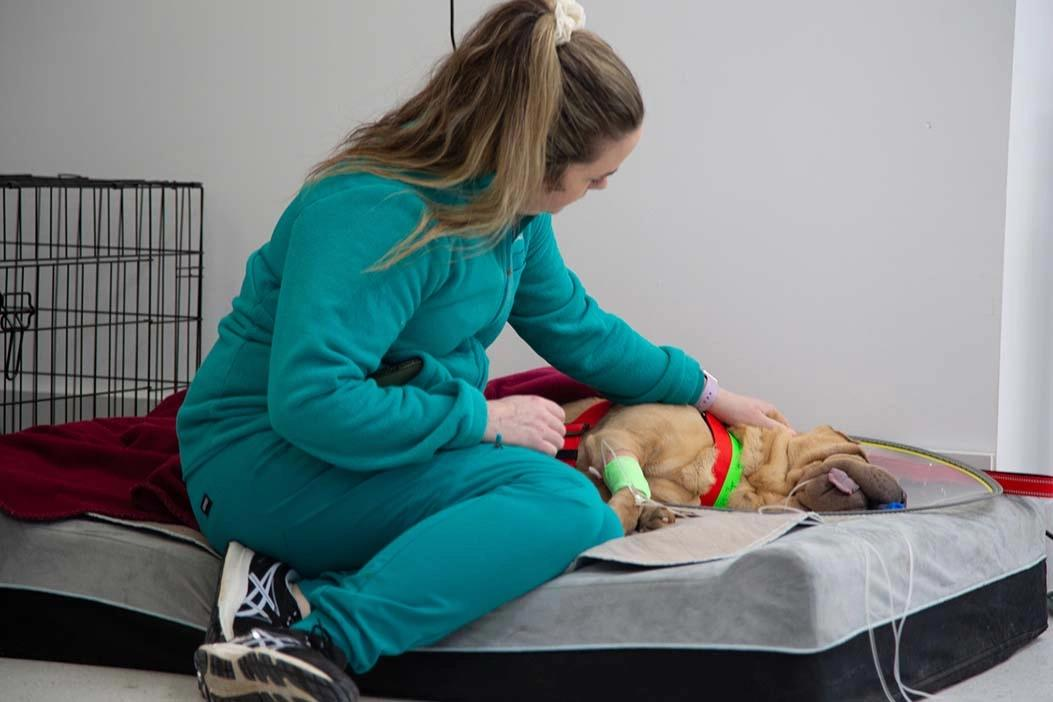
The thought of your pet undergoing a medical procedure can naturally cause some concern. Understanding the process can help you feel more at ease as you prepare for their appointment. Here’s a breakdown of what you can expect during each phase of the process:
Before the procedure
- Fast your pet the night before. This reduces the risk of vomiting while under anesthesia. Water is usually fine, but confirm with your vet.
- Complete any required forms. Jurupa Hills Animal Hospital provides a Surgical Information Packet to guide pet families through the process.
- Share your pet’s full health history. Let the team know about any medications, allergies, or past health issues.
During the procedure
- The vet team places an IV catheter in your pet’s leg for medication delivery.
- Pre-medications are given first to cause pet sedation and reduce pain.
- The main anesthetic agent is then administered to induce unconsciousness.
- Inhaled anesthetics like isoflurane or sevoflurane maintain the level of anesthesia throughout.
- The team monitors your pet constantly from start to finish.
After the procedure
- Your pet will wake up in a quiet, supervised recovery area.
- Some pets vocalize or seem disoriented. This is usually caused by the medications, not the pain.
- For minor procedures, your pet may go home the same day.
- Expect some drowsiness and low appetite for 24 to 48 hours.
- Set up a soft, quiet resting area at home. Limit jumping and running.
- If your pet has a surgical incision, use an e-collar or recovery suit to stop them from licking the wound.
- Follow all discharge instructions from your vet carefully.
Good Anesthesia Care Leaves Nothing to Chance!
The more you understand about veterinary anesthesia, the less stressful the whole experience feels. Pre-anesthetic bloodwork, continuous monitoring, and careful recovery all help keep your pet safe. Most pets bounce back within a day or two with minimal side effects. Knowing what to expect before the day helps a lot.
Jurupa Hills Animal Hospital follows rigorous anesthesia and monitoring protocols to protect every pet in our care. Write to us here, schedule your appointment, or call us at (+1) 909‑333‑1565 to go over any concerns you have about putting your pet under anesthesia.
Frequently Asked Questions (FAQs)
Share This Article

Written by : Jurupa Hills Animal Hospital
Jurupa Hills Animal Hospital is proud to serve the Fontana, CA area for everything pet-related. Our veterinary clinic and animal hospital is run by Dr. Avtar Gill, who is a licensed, experienced Fontana veterinarian. Our team is committed to educating our clients on how to keep your pets healthy year round, with good nutrition and exercise. Jurupa Hills Animal Hospital stays on top of the latest advances in veterinary technology and above all, remembers that all animals and pets need to be treated with loving care in every check-up, procedure, or surgery.
All Categories
- Pet Allergies
- Pet Dental
- Pet Euthanasia
- Pet Microchipping
- Pet Parasite
- Pet Routine Checkup
- Pet Surgery
- Pet Vaccination
- Spaying and Neutering