
Share This Article
Your first step if your pet ate something toxic is to contact a veterinary professional immediately. Keep the toxin and packaging available, and note the amount and ingestion time. Watch for vomiting, tremors, seizures, breathing trouble, weakness, or collapse. Never induce vomiting or give home remedies unless a veterinary professional directs you.
- Key Takeaways
- How to Know if Your Pet Ate Something Toxic?
- What Should You Do Immediately After Your Pet Ate Something Toxic?
- What NOT to Do if Your Cat or Dog Ate Something Poisonous?
- Common Household Toxins That Require Pet Poison Treatment
- At What Point Should You Take Your Pet to the Vet for Animal Poison Emergency?
- How Veterinarians Treat Emergency Pet Poisoning in Fontana?
- How to Prevent Future Toxic Ingestion in Pets?
- Are You Now Prepared to Save Your Pet’s Life in a Crisis?
It only takes a second for a curious pet to swallow something that could change your lives forever. That feeling of helplessness when your pet is sick is heavy, but you can take control by knowing what to do if pet eats something toxic. Your pet needs you to be their advocate when they can’t speak for themselves.
This guide helps you do exactly that by exploring the warning signs of poisoning and the life-saving steps you need to take. We have also shared common household toxins and how to prevent these scary accidents from happening in the first place.
Key Takeaways
- Acting quickly after toxic ingestion can improve your pet’s chances of recovery and prevent serious complications.
- Vomiting, tremors, seizures, breathing problems, and collapse are major signs of poisoning.
- Never induce vomiting or give home remedies unless a veterinarian specifically tells you to do so.
- Keep toxin packaging and note the substance, amount, and time of ingestion for your veterinarian.
- Secure harmful foods, medicines, plants, and chemicals to prevent future poisoning emergencies.
How to Know if Your Pet Ate Something Toxic?
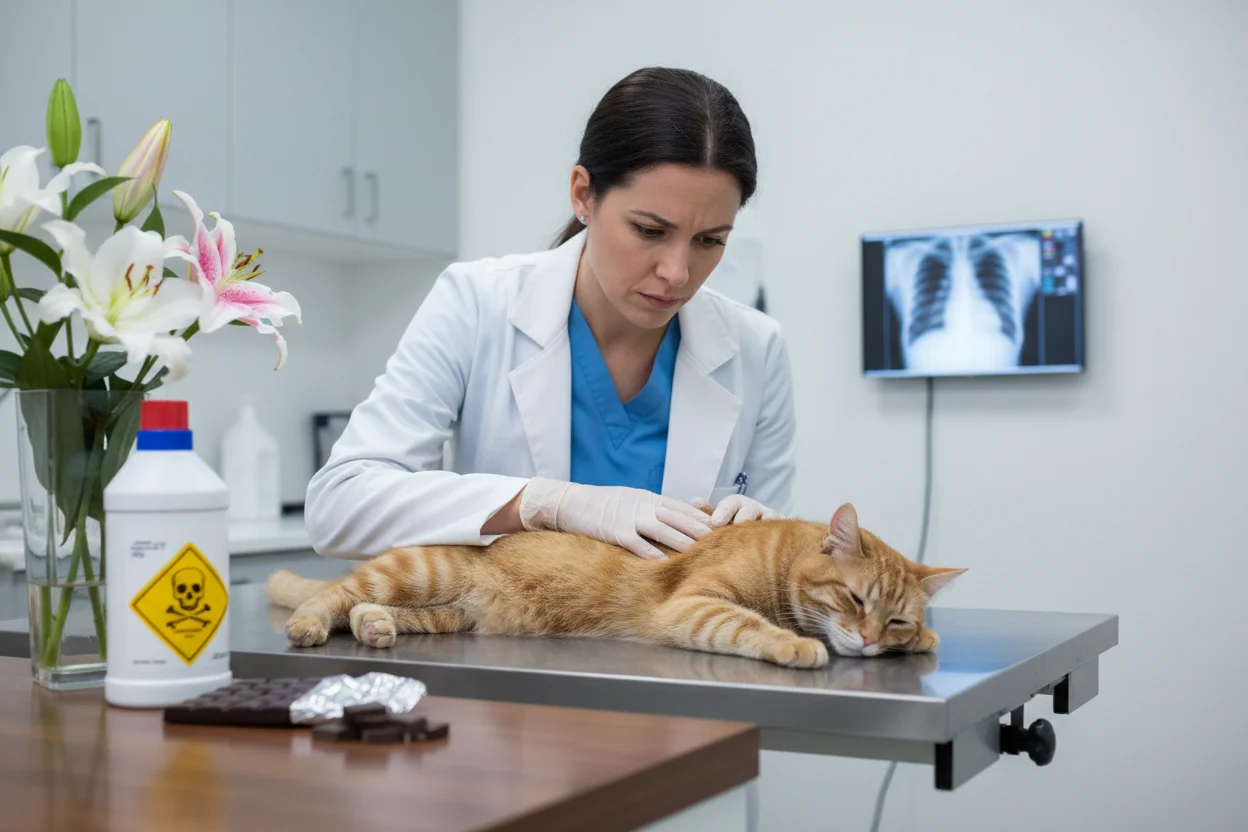
Identifying the signs of poisoning in cats and dogs early can lead to a much better outcome for your pet. Some toxins cause symptoms right away, while others may take hours to appear. If you suspect your dog or cat ate toxic substance, you should monitor them for any strange behavior or physical changes.
| Common symptoms | What it often looks like | Why it happens |
| GI distress | Sudden vomiting after eating toxin, diarrhea, or loss of appetite. | The body is trying to purge the toxin quickly. |
| Nerve issues | Shaking, pet tremors after eating something, seizures, or walking like they are drunk. | The poison is affecting the brain or spinal cord. |
| Mouth irritation | Excessive drooling, pawing at the face, or red gums. | Corrosive chemicals often burn the lining of the mouth. |
| Breathing trouble | Gasping, heavy panting, or blue-tinted gums. | Some toxins stop the lungs or heart from working. |
| Fatigue | Extreme weakness, collapse, or not waking up. | Organs like the liver or kidneys may be failing. |
What Should You Do Immediately After Your Pet Ate Something Toxic?
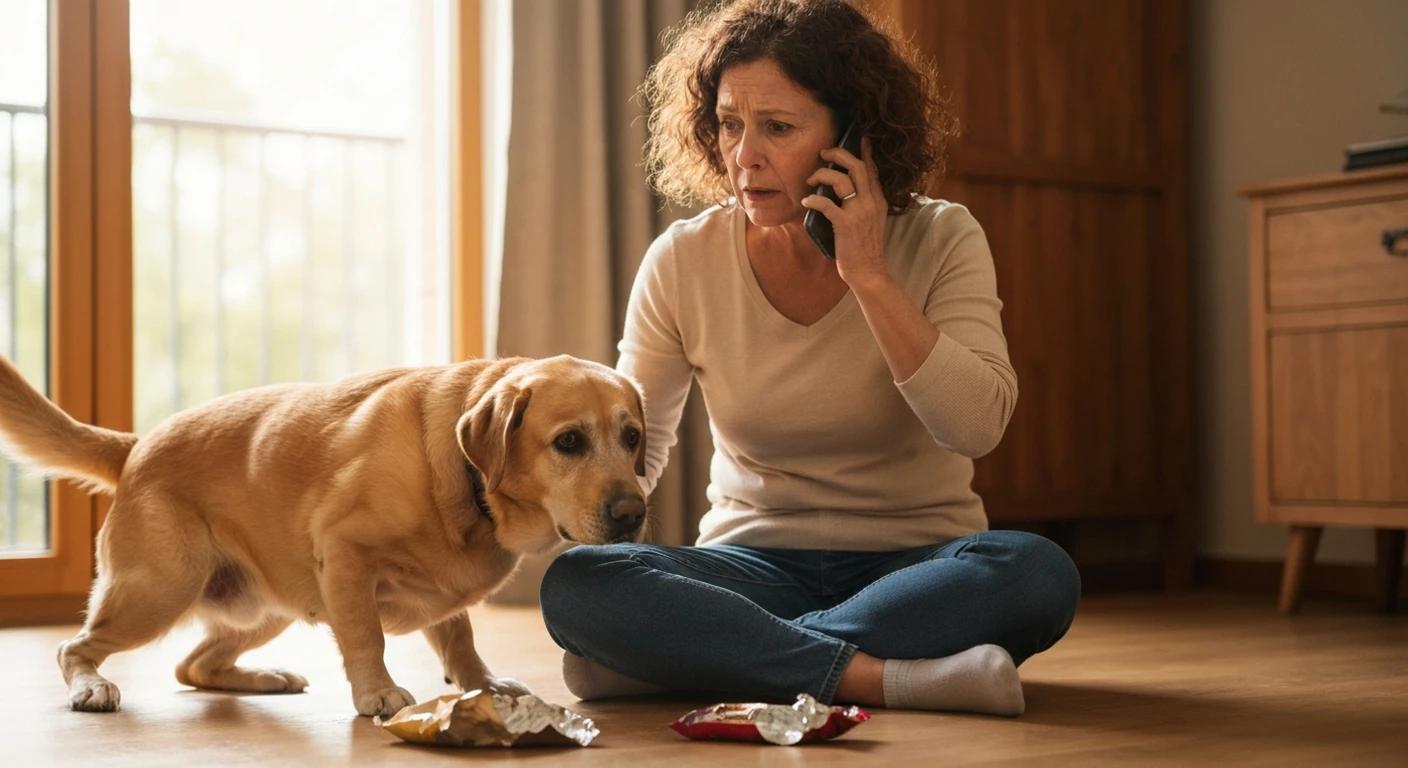
Your actions in the first thirty minutes are very important for your pet’s recovery. Follow these steps as soon as you come to know your cat or dog ate something poisonous:
- Secure your pet and the area: Move your pet to a safe place away from the dangerous item. Make sure no other pets can reach the substance. This prevents further exposure for everyone in the home.
- Check your pet’s breathing: Look at your pet’s chest to see if they’re breathing normally. If they’re unconscious, check for a pulse or heartbeat. This information is vital when you call the animal hospital for help.
- Gather crucial information: Before calling or while on the phone, gather these essential details to help the vet determine the best treatment:
- The toxin: The exact name of the product, plant, or medication. Keep the packaging, labels, or a sample handy.
- The quantity: How much of the substance is missing or was ingested.
- The time: Approximately when the ingestion occurred.
- Your pet’s details: Their current weight, age, and any symptoms they’re currently exhibiting (e.g., drooling, vomiting, lethargy).
- Call for professional help: Contact Jurupa Hills Animal Hospital at (+1) 909-333-1565, ASPCA Animal Poison Control at (+1) 888-426-4435, or Pet Poison Helpline at (+1) 855-764-7661 immediately. Don’t wait for symptoms to get worse before making this call. Professional advice is the only way to manage a toxic emergency safely.
What NOT to Do if Your Cat or Dog Ate Something Poisonous?
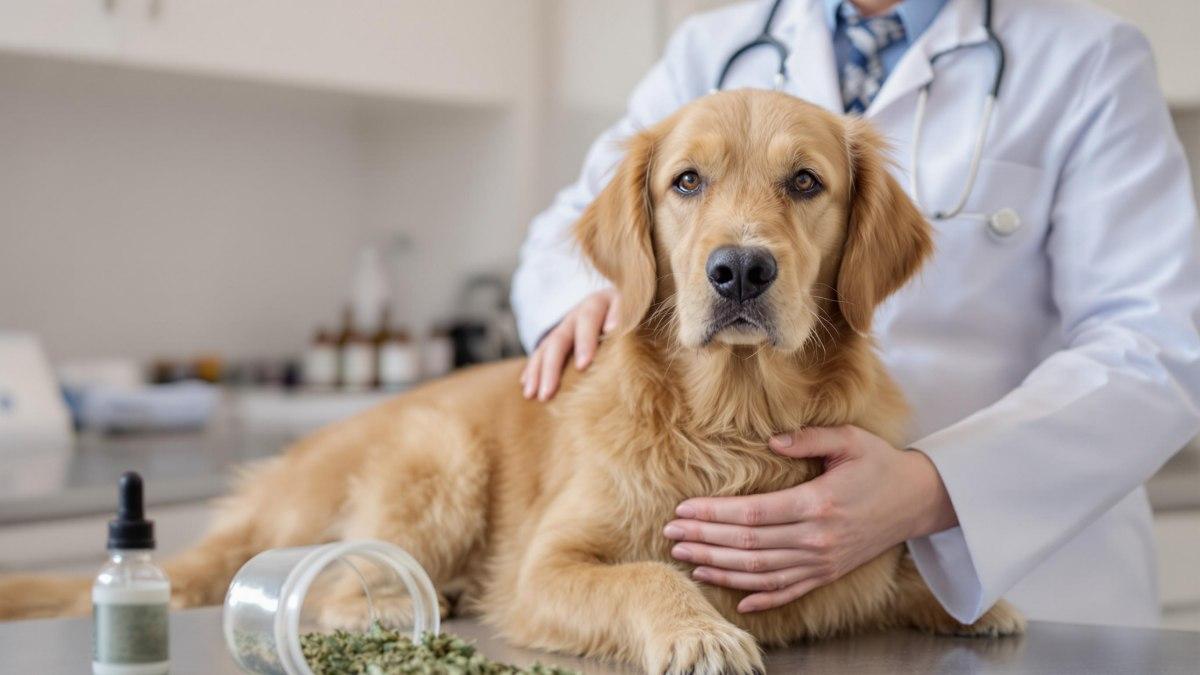
Making the wrong move can lead to more harm for your pet. Avoid these common mistakes when you know your dog or cat ate toxic substance:
- Don’t induce vomiting alone: Never make your pet vomit unless a vet specifically tells you to. Some chemicals cause more damage if they come back up through the throat.
- Don’t give human food remedies: Avoid giving your pet milk, bread, or salt to “neutralize” the poison. These items often do nothing and can even cause new medical problems.
- Don’t use the internet for home cures: Many online tips for pet poisoning aren’t safe or accurate. Stick to the advice given by a licensed veterinarian or a toxicologist.
- Don’t delay treatment: Some owners wait to see if the pet feels better on their own. Most toxins cause internal damage long before the pet looks sick.
Common Household Toxins That Require Pet Poison Treatment
Many items in your house, including various toxic foods for pets, are safe for you but deadly for your pets. Keeping these items in locked cabinets is the best way to prevent an emergency.
| Category | Specific toxic items | Health risks |
| Human foods | Grapes, raisins, onions, garlic, and macadamia nuts. | Kidney failure, blood cell damage, and muscle weakness. |
| Sweeteners | Xylitol (found in sugar-free gum and some peanut butter). | A sharp decrease in blood sugar and liver failure. |
| Medications | Ibuprofen, cold medicine, and antidepressants. | Stomach ulcers, seizures, and severe organ damage. |
| Plants | Lilies (cats), azaleas, sago palms, and oleander. | Heart failure and permanent kidney damage. |
| Home chemicals | Antifreeze, rat poison, bleach, and cleaning sprays. | Internal bleeding and chemical burns in the stomach. |
At What Point Should You Take Your Pet to the Vet for Animal Poison Emergency?
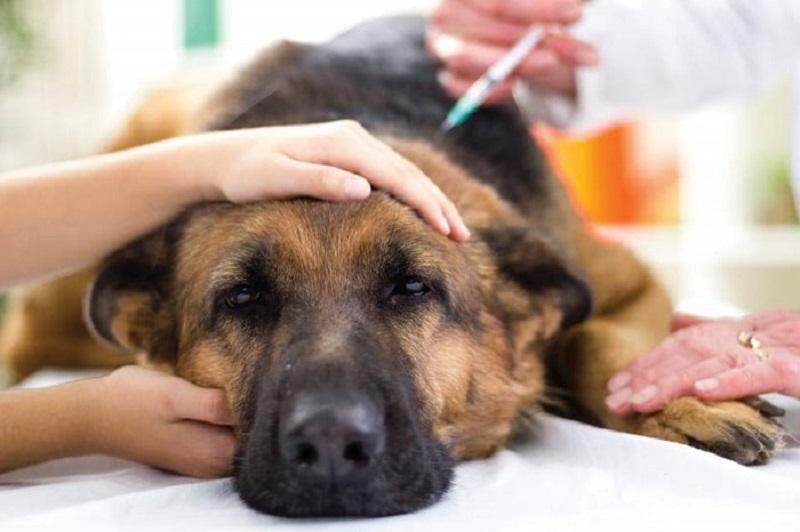
Some toxins act quickly while others cause damage slowly over several days. Because you can’t always tell how much harm is being done internally, you should look for these specific physical and behavioral changes that signal an emergency before searching “emergency vet near me”:
- Known toxin ingestion: Eating human medication (medication poisoning pets), chocolate (chocolate toxicity dogs and cats), xylitol (xylitol poisoning pets), marijuana, grapes, onions, or household chemicals.
- Severe symptoms: Continuous vomiting, diarrhea, extreme drooling, or loss of appetite.
- Neurological signs: Seizures, tremors, stumbling, or acting “drunk” or disoriented.
- Respiratory distress: Shallow, rapid, or labored breathing, or pale/blue gums.
- Collapse: Sudden weakness, unresponsiveness, or inability to stand.
How Veterinarians Treat Emergency Pet Poisoning in Fontana?
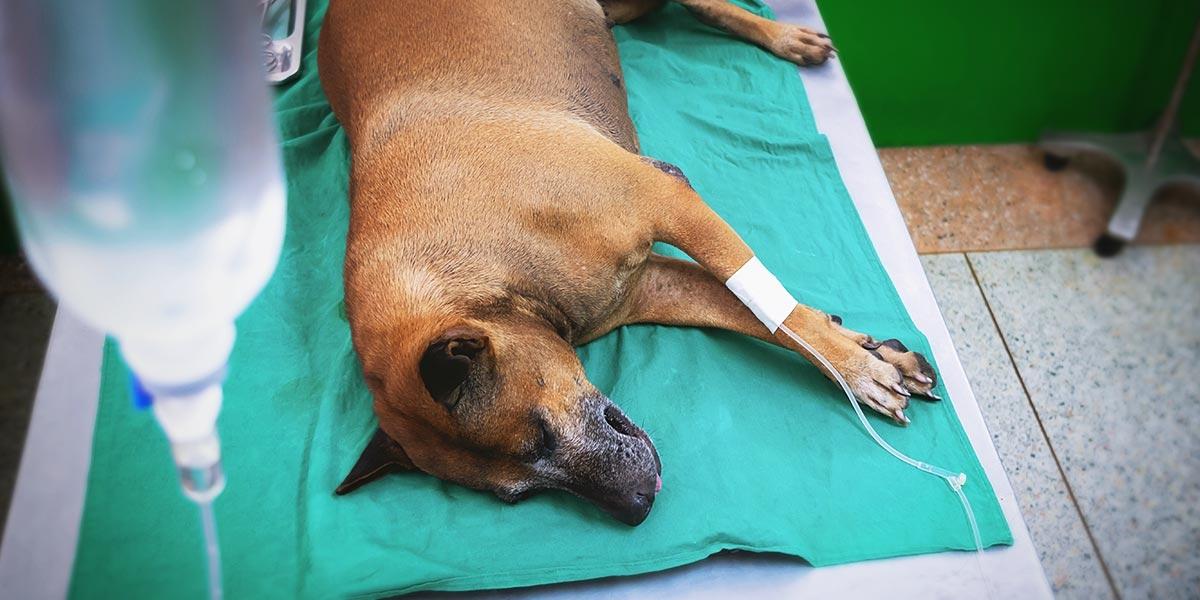
Veterinarians have access to specialized medications and tools that are essential for handling toxic ingestions. If your pet is brought in for urgent pet care Fontana, they’ll likely undergo some or all of the following treatments:
- Decontamination: If the toxin was ingested recently, vets may induce vomiting or perform gastric lavage (stomach pumping).
- Toxin absorption: Activated charcoal is often administered orally to bind to the poison and prevent it from being absorbed into the bloodstream.
- IV fluids: Vets usually place an IV to aggressively flush toxins from the bloodstream, maintain blood pressure, and support kidney function.
- Symptom management: Depending on the poison, vets will administer specific antidotes, anti-nausea medications, muscle relaxants, or anti-seizure drugs.
Vets may also use pet radiology to check for obstructions or signs of internal damage if your pet has swallowed a solid toxic foreign object (like batteries, metal objects, or certain packaging).
If a toxin is trapped in the stomach and requires pet surgery for removal, your dog or cat will undergo pet anesthesia to ensure the procedure is safe and pain-free.
How to Prevent Future Toxic Ingestion in Pets?

Most pets get into trouble because of curiosity and easy access to things they shouldn’t have. You can stay ahead of the danger by following these prevention tips for a pet-safe household:
- Medication storage: Never leave pills or prescription bottles on counters, nightstands, or in low, unlocked cabinets. Child-proof locks are rarely pet-proof.
- Food and trash security: Never leave human food unattended. Use heavy-duty, locking trash cans, especially for bathroom and kitchen waste. Beware of common dangerous foods like chocolate, grapes, raisins, onions, garlic, and macadamia nuts.
- Garage and garden hazards: Store fertilizers, rodenticides (mouse/rat poison symptoms dogs and cats can be fatal), snail baits, and antifreeze on high, secure shelves. Never use rodenticides in or around your property, as pets easily find and ingest them.
- Plant safety: Remove or restrict access to hazardous indoor and outdoor plants (e.g., toxic plants for cats, such as true lilies, are incredibly fatal, while sago palms are highly toxic to dogs).
- Purse and bag patrol: Keep bags elevated on hooks or high shelves. Purses frequently contain gum or mints made with Xylitol, which is highly toxic to dogs.
Are You Now Prepared to Save Your Pet’s Life in a Crisis?
Protecting your pet from toxins is all about staying alert and acting without delay. Focus on recognizing early cat and dog poisoning symptoms, acting within thirty minutes, and removing all hazardous things from your pet’s reach. Being proactive is the best way to ensure a long and healthy life for your cat or dog.
Jurupa Hills Animal Hospital provides comprehensive poisoned pet emergency treatments and supportive care for dogs and cats facing toxic emergencies in Fontana. Our veterinarians are trained to handle poisoning cases with expert care. Write to us here, schedule an appointment, or call (+1) 909-333-1565 to connect with us!
Frequently Asked Questions (FAQs)
Share This Article

Written by : Jurupa Hills Animal Hospital
Jurupa Hills Animal Hospital is proud to serve the Fontana, CA area for everything pet-related. Our veterinary clinic and animal hospital is run by Dr. Avtar Gill, who is a licensed, experienced Fontana veterinarian. Our team is committed to educating our clients on how to keep your pets healthy year round, with good nutrition and exercise. Jurupa Hills Animal Hospital stays on top of the latest advances in veterinary technology and above all, remembers that all animals and pets need to be treated with loving care in every check-up, procedure, or surgery.
All Categories
- Pet Allergies
- Pet Dental
- Pet Euthanasia
- Pet Microchipping
- Pet Parasite
- Pet Routine Checkup
- Pet Surgery
- Pet Vaccination
- Spaying and Neutering