Share This Article
The dog euthanasia process generally takes 30–60 minutes, depending on your dog's condition and family wishes. Your veterinarian carefully explains each stage before beginning the procedure with gentle sedation. This is to ensure the experience remains calm, compassionate, and focused on your dog's comfort.
How do you prepare for the day you have to say goodbye to your dog? There’s no easy way through it, but being informed helps more than you expect. Knowing what to expect during dog euthanasia takes some of the fear out of the unknown.
This guide is here to help you feel more prepared. You’ll learn the signs that point to declining quality of life, the dog euthanasia process from start to finish, how long does dog euthanasia take, what you’re allowed to do during the process, and the dog euthanasia aftercare decisions that follow.
Key Takeaways
- Euthanasia is generally considered when your dog’s quality of life has severely declined due to chronic pain, illness, mobility loss, or ongoing suffering.
- Most Pet euthanasia appointments last between 30 and 60 minutes, with the actual final injection taking effect within seconds.
- The Pet euthanasia process generally includes consultation, sedation, the final injection, and private time for you to say goodbye.
- Pet parents are usually encouraged to stay with their dog throughout the procedure, though the choice is entirely personal.
- Dog euthanasia aftercare options such as cremation, burial, memorial keepsakes, and grief support help you cope with the loss of your beloved pet.
What Signs Make Dog Euthanasia Fontana a Necessary Choice?
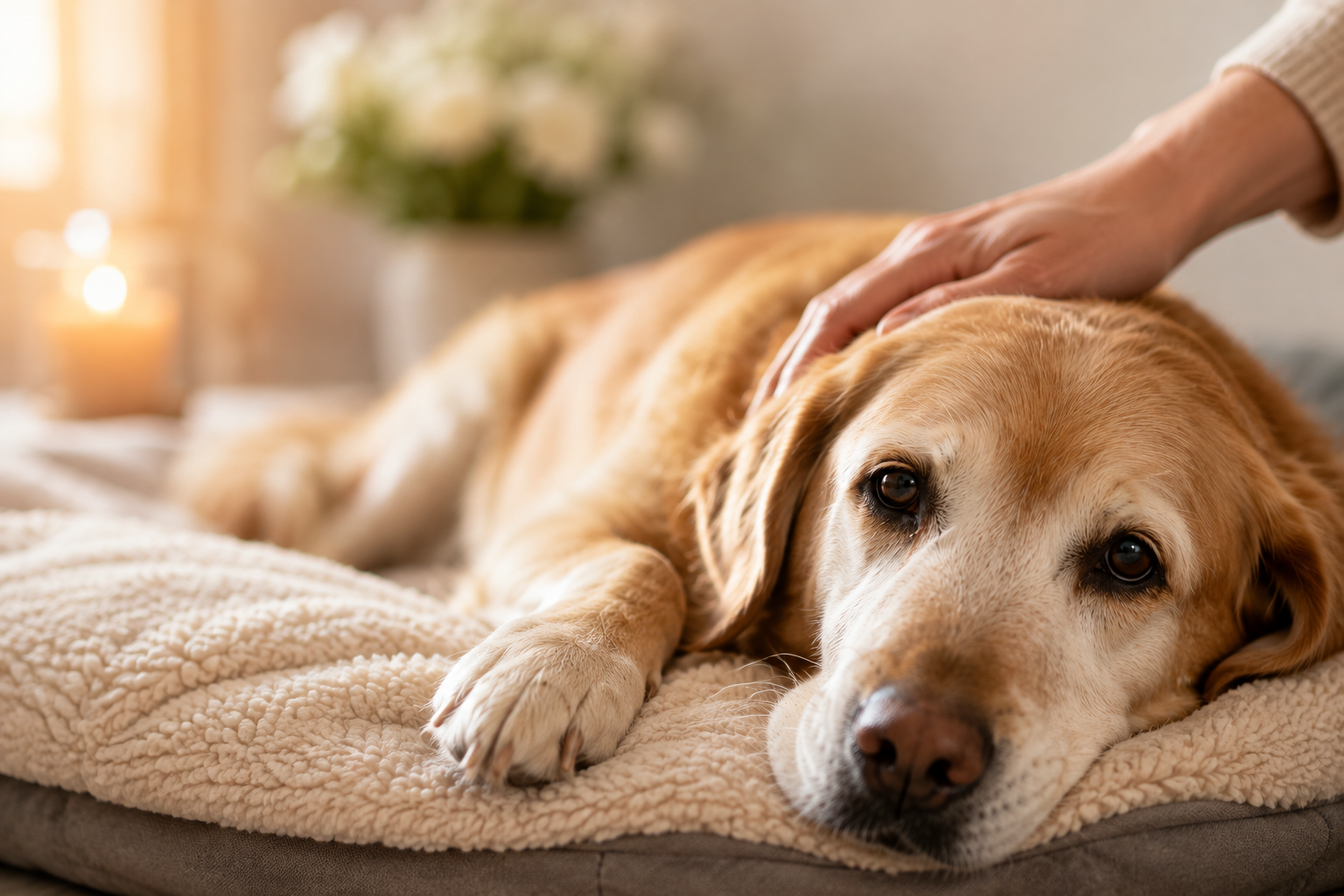
Euthanasia is generally considered necessary when a dog’s medical treatment can no longer maintain an acceptable quality of life or when their suffering becomes permanent and cannot be alleviated.
While it’s a deeply personal decision, we usually recommend considering pet euthanasia services when your dog’s “bad days” consistently outnumber their “good days”. Clinical indicators that a dog’s quality of life has noticeably declined include:
- Unmanageable pain: Persistent suffering, such as whimpering or restlessness, that no longer responds to medication.
- Respiratory distress: Labored breathing, gasping, or chronic coughing that causes visible anxiety and distress.
- Severe mobility loss: An inability to stand, walk, or perform basic functions like going outside to urinate or defecate without falling or experiencing severe pain.
- Gastrointestinal issues: Prolonged refusal to eat or drink (more than 24–48 hours) or uncontrollable vomiting and diarrhea leading to severe dehydration.
- Incontinence: Loss of bladder or bowel control to the point where the dog frequently soils their resting area, which can impact their hygiene and dignity.
- Behavioral and mental decline: Severe confusion, disorientation, or a total loss of interest in favorite activities and social interaction with family members.
These signs are often key indicators discussed when planning an end of life care for Fontana.
How Long Does Dog Euthanasia Take at a Veterinary Clinic?
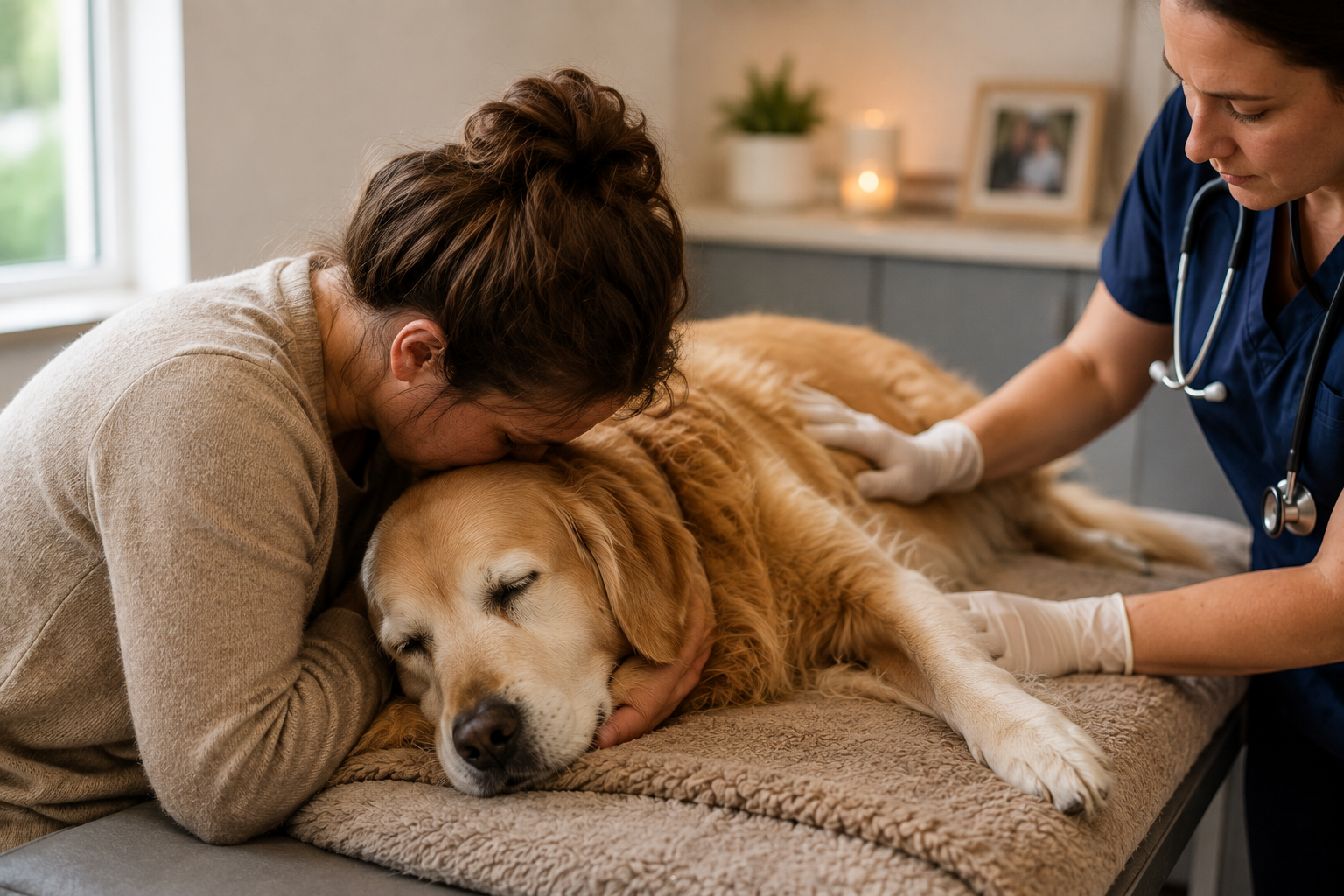
- The dog euthanasia process generally follows these stages, though your specific experience may vary based on your dog’s health and the clinic’s protocols. Knowing how long does dog euthanasia take can help you prepare emotionally for the appointment and better understand what happens during dog euthanasia clearly:
- Initial consultation and paperwork (10–15 minutes): Upon arrival, staff will generally escort you to a private room to discuss the procedure and dog euthanasia cost, handle payments, and finally, sign consent forms.
- Sedation (3-5minutes): Most veterinarians first administer a sedative or anesthetic to help your dog reach a state of deep relaxation or “surgical sleep”. It usually takes about 3-5 minutes for this to take full effect.
- Final injection (under 1 minute): Once your dog is fully sedated and you’re ready, the veterinarian administers the final euthanasia solution, usually sodium pentobarbital. This injection causes the heart to stop very quickly, often within 30 to 60 seconds.
- Confirmation and private time (variable): The veterinarian will use a stethoscope to confirm your dog has passed. Most clinics then offer you as much time as you need alone in the room to say your final goodbyes.
Dog Euthanasia Procedure Steps
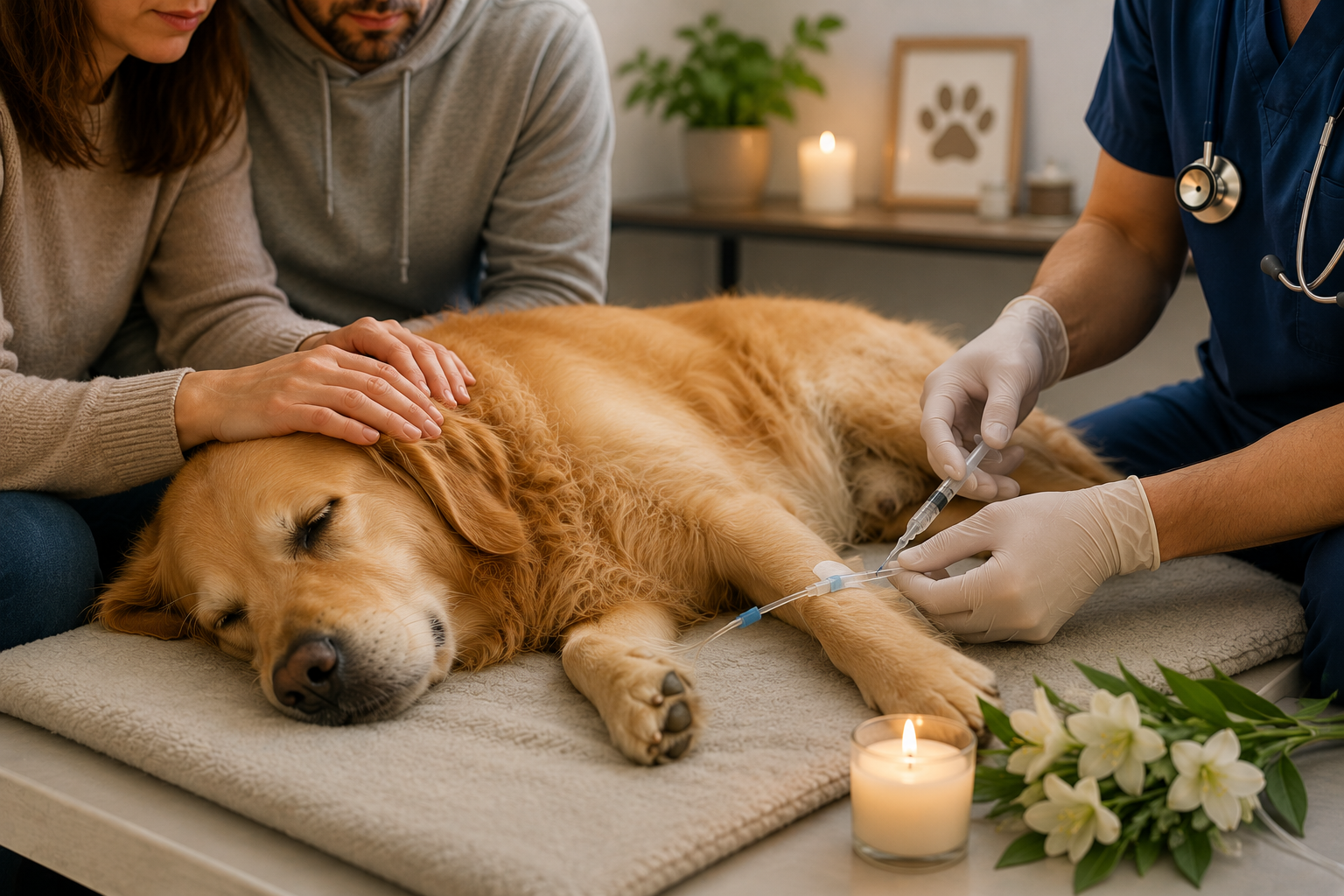
While the medical part of the pet euthanasia process is very fast, a usual clinic visit lasts 30 to 60 minutes to accommodate emotional needs and administrative tasks. Below is the step-by-step pet euthanasia timeline of the process and helpful dog euthanasia preparation tips:
1. Arrival and Preparation (10–15 minutes)
This stage is often the first step in understanding what happens before dog euthanasia at a veterinary clinic.
- Check-in and privacy: You’re usually escorted immediately to a private “comfort room” to avoid the waiting area.
- Paperwork and payment: Most clinics handle the legal consent forms and payment at the start, so you don’t have to deal with logistics afterward.
- Final decisions: You’ll confirm your choice for aftercare, such as private or communal cremation.
2. Sedation and Comfort (10–15 minutes)
- The first injection: The veterinarian administers a sedative or light anesthesia for pets, usually into a muscle or under the skin.
- Relaxation phase: Over the next 5 minutes, your dog will become very drowsy and eventually fall into a deep, pain-free sleep.
- IV catheter placement: Once sedated, a technician may place an intravenous (IV) catheter in a leg vein to ensure the final medication can be delivered smoothly.
3. The Final Procedure (1–2 minutes)
- The final injection: When you’re ready, the vet administers a concentrated dose of a barbiturate (generally sodium pentobarbital).
- Passing: Within 5 to 15 seconds, the dog’s breathing slows and stops, followed shortly by the heart.
- Clinical confirmation: The veterinarian will use a stethoscope to listen to the chest and officially confirm that your dog has passed.
4. Post-procedure and Aftercare (variable)
- Private time: Most clinics allow you to stay in the room for as long as you need to say your final goodbyes.
- Body reflexes: It’s normal for the body to experience muscle twitches, a “final gasp” (agonal breath), or the release of the bladder; these are natural physical reflexes and don’t indicate pain.
- Handling the remains: If you have chosen cremation, the clinic will handle the transportation. If you’re taking your dog home for burial, staff will often help you carefully wrap and carry them to your vehicle.
Can You Stay With Your Dog During Euthanasia?
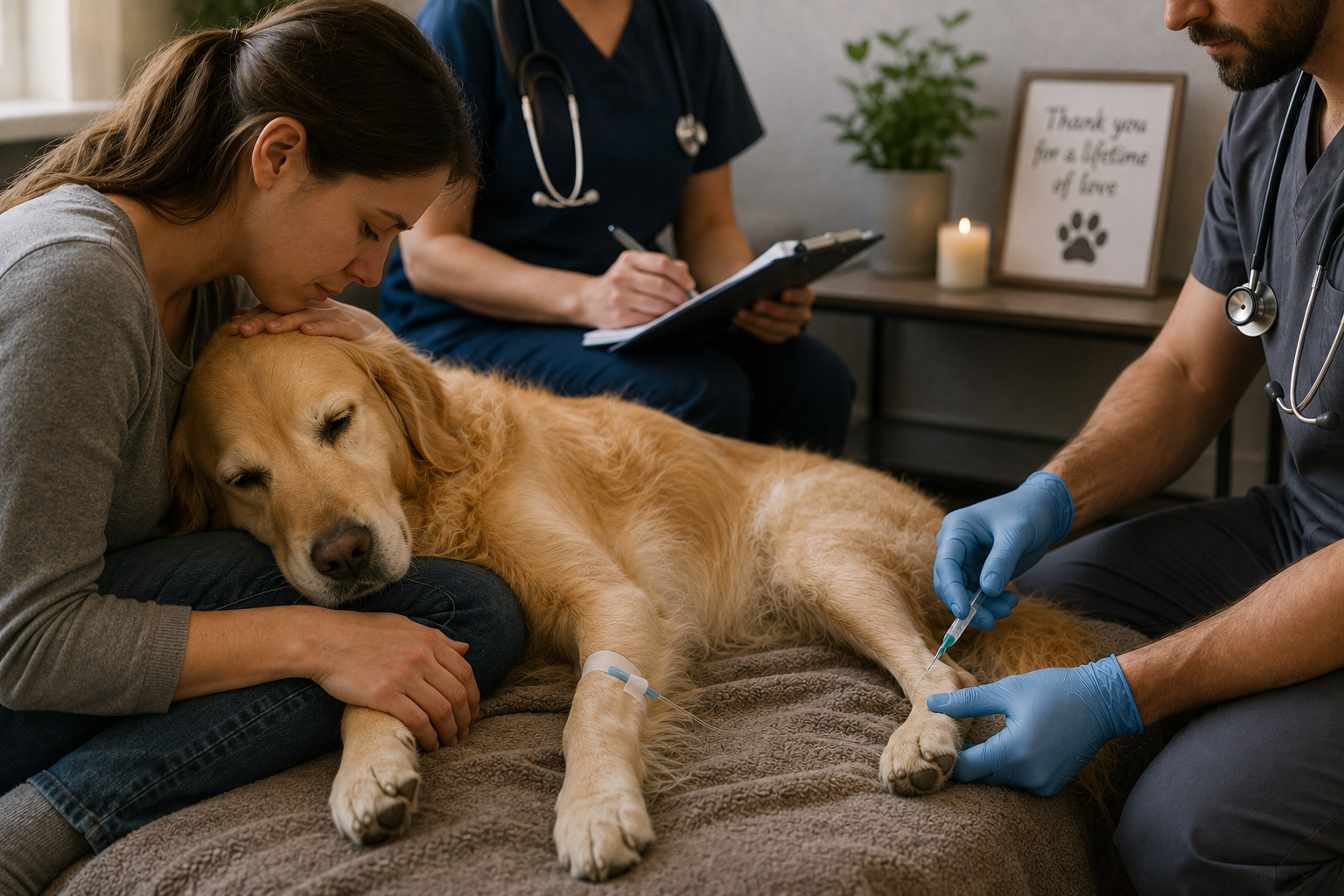
Pet parents are almost always allowed and often encouraged to stay with their dog during euthanasia. While it’s a deeply personal choice, most modern veterinary clinics, including Jurupa Hills Animal Hospital, prioritize keeping the “human-animal bond” intact during these final moments throughout the pet euthanasia appointment duration.
Options for Staying or Leaving
You have several choices regarding your level of presence during the appointment:
(i) Stay for the entire procedure: You can be in the room from the initial consultation through the final heartbeat, holding or talking to your dog the entire time. Many families choose this option after learning the dog euthanasia procedure steps so they know exactly what to expect.
(ii) Stay only for sedation: Many pet parents choose to stay while their dog receives the first injection (sedation), ensuring the pet falls into a peaceful sleep while looking at a familiar face. Once the dog is fully unconscious and unaware, you may step out before the final injection.
(iii) Say goodbye beforehand: Some pet parents prefer to say their final goodbyes and then leave the room entirely, trusting the veterinary team to provide a compassionate environment for the pet’s passing.
What If You Choose Not to Stay?
If you feel that your distress would be too overwhelming or if you want your final memory to be of your dog while they were still alive, choosing not to stay is a perfectly acceptable and normal decision.
- The pet isn’t alone: Our veterinary staff (technicians and assistants) will stay with your pet, providing “love and praise” in their final moments.
- Professional care: Our team is trained to handle these moments with the same care and respect they would show their own pets.
Things to Consider
(i) Holding your pet: In most cases, you can physically hold your dog during the injection. Some clinics may suggest a towel or pad for your lap to handle any natural reflex releases.
(ii) Clinic policies: Occasionally, some facilities (like high-volume shelters or specific emergency centers) may have policies that restrict your presence for logistical or safety reasons, but this is increasingly rare in private practice.
(iii) Other family members: Clinics generally allow multiple family members to be present, though you should discuss this with your vet if you plan to bring a large group. Knowing pet euthanasia appointment what happens ahead of time often helps families feel calmer during the appointment.
What Happens After the Vet Euthanasia Process for Dogs?
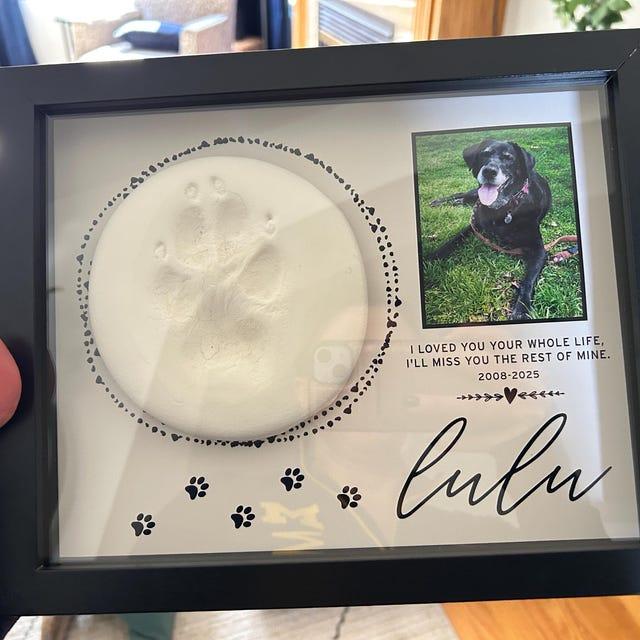
After the veterinarian confirms your dog has passed, the focus shifts to honoring your pet, managing their remains, and coping with the grieving process.
Immediate Aftercare Options
You’ll generally need to choose between three primary options for your dog’s remains:
(i) Cremation: This is the most common choice. There are two types of cremation:
- Private/Individual cremation: Your dog is cremated alone, and their ashes are returned to you in an urn or memorial container.
- Communal cremation: Multiple pets are cremated together. The ashes aren’t returned but are often respectfully scattered by the service provider.
(ii) Burial:
- Home burial: You can take your dog home for burial. It’s important to check local zoning laws first. Experts recommend digging a grave at least 3 to 4 feet deep and using biodegradable materials to wrap the body.
- Pet cemetery: Some pet parents choose dedicated pet cemeteries, which provide a permanent, maintained resting place.
(iii) Aquamation (water cremation): An eco-friendly alternative to flame cremation that uses water and alkali to break down the body. It results in ashes similar to traditional cremation.
Memorial Keepsakes
Many clinics offer small mementos to help you remember your pet:
(i) Paw prints: A clay or ink impression of your dog’s paw.
(ii) Hair clippings: A small lock of your dog’s fur placed in a satchel or vial.
(iii) Digital memorials: Some organizations allow you to post photos or stories on a “Rainbow Bridge” or memorial page.
Coping with Grief
Grieving a pet is an overwhelming emotional experience often called “disenfranchised grief” because its intensity isn’t always recognized by society.
- Support resources: The Association for Pet Loss and Bereavement (APLB) and some organizations offer chat rooms, support groups, and hotlines.
- Surviving pets: Other animals in your home may also show signs of loss, such as searching for their companion or changes in appetite. Keeping their routine stable can help them adjust.
A Peaceful Goodbye Starts Right Here With Jurupa!
Knowing it’s time for euthanasia is the hardest part, and somehow, you already know. The rest of it is often gentler than the fear makes it feel. The appointment is quiet and unhurried, usually lasting an hour or less. Dog euthanasia sedation time comes first, easing your dog into a deep, painless sleep before anything else happens.
The final moments of the dog euthanasia process are peaceful. You can stay and hold them through all of it, or step out if that’s what you need. Both are fine. Cremation, burial, aquamation, whatever feels right for after, can be helped with too. Grief doesn’t end at the door, and neither does the support.
Jurupa Hills Animal Hospital provides compassionate pet care services in Fontana and walks beside you through every part of this — the before, the during, and the after, with gentleness, privacy, and no rush. Reach out to us here, schedule an appointment, or call (+1) 909‑333‑1565, and we’ll carry some of this with you.
Frequently Asked Questions
Share This Article

Written by : Jurupa Hills Animal Hospital
Jurupa Hills Animal Hospital is proud to serve the Fontana, CA area for everything pet-related. Our veterinary clinic and animal hospital is run by Dr. Avtar Gill, who is a licensed, experienced Fontana veterinarian. Our team is committed to educating our clients on how to keep your pets healthy year round, with good nutrition and exercise. Jurupa Hills Animal Hospital stays on top of the latest advances in veterinary technology and above all, remembers that all animals and pets need to be treated with loving care in every check-up, procedure, or surgery.
All Categories
- Pet Allergies
- Pet Dental
- Pet Euthanasia
- Pet Microchipping
- Pet Parasite
- Pet Routine Checkup
- Pet Surgery
- Pet Vaccination
- Spaying and Neutering