Share This Article
How pet microchipping works comes down to permanent identification. A veterinarian implants a tiny chip beneath the skin, then you register the unique number with your contact information. If your pet gets lost, scanners help shelters reconnect you quickly. The chip never needs charging or replacement.
- Key Takeaways
- What Is Microchipping for Pets?
- How Does a Microchip Work in Pets?
- Is Pet Microchipping Safe for Your Pets?
- What Are the Most Important Pet Microchip Benefits?
- Microchip vs Collar ID: Which Is Better?
- What Happens After the Pet Microchipping Fontana?
- Start Your Pet’s Lifetime Protection Today!
Your pet’s collar is only as good as the buckle holding it together. If it breaks or slips off, a microchip is the only thing standing between a lost pet and a permanent disappearance. This tiny device is your pet’s digital backup.
In this blog, you’ll explore how pet microchipping works and why it’s a safe choice for your cat or dog. You’ll also learn about the registration process, the benefits of permanent identification, and the steps you need to take after the procedure. This guide covers everything you need to know to keep your pet protected for life.
Key Takeaways
- Pet microchipping gives your dog or cat permanent identification that stays with them for life.
- The procedure is quick, safe, and only takes a few minutes during a regular veterinary visit.
- Registering your contact details is essential because an unregistered microchip cannot help reunite your pet.
- A microchip works best when paired with a collar and ID tag for added protection.
- Keeping your registration details updated helps your pet find their way back home faster if they get lost.
What Is Microchipping for Pets?
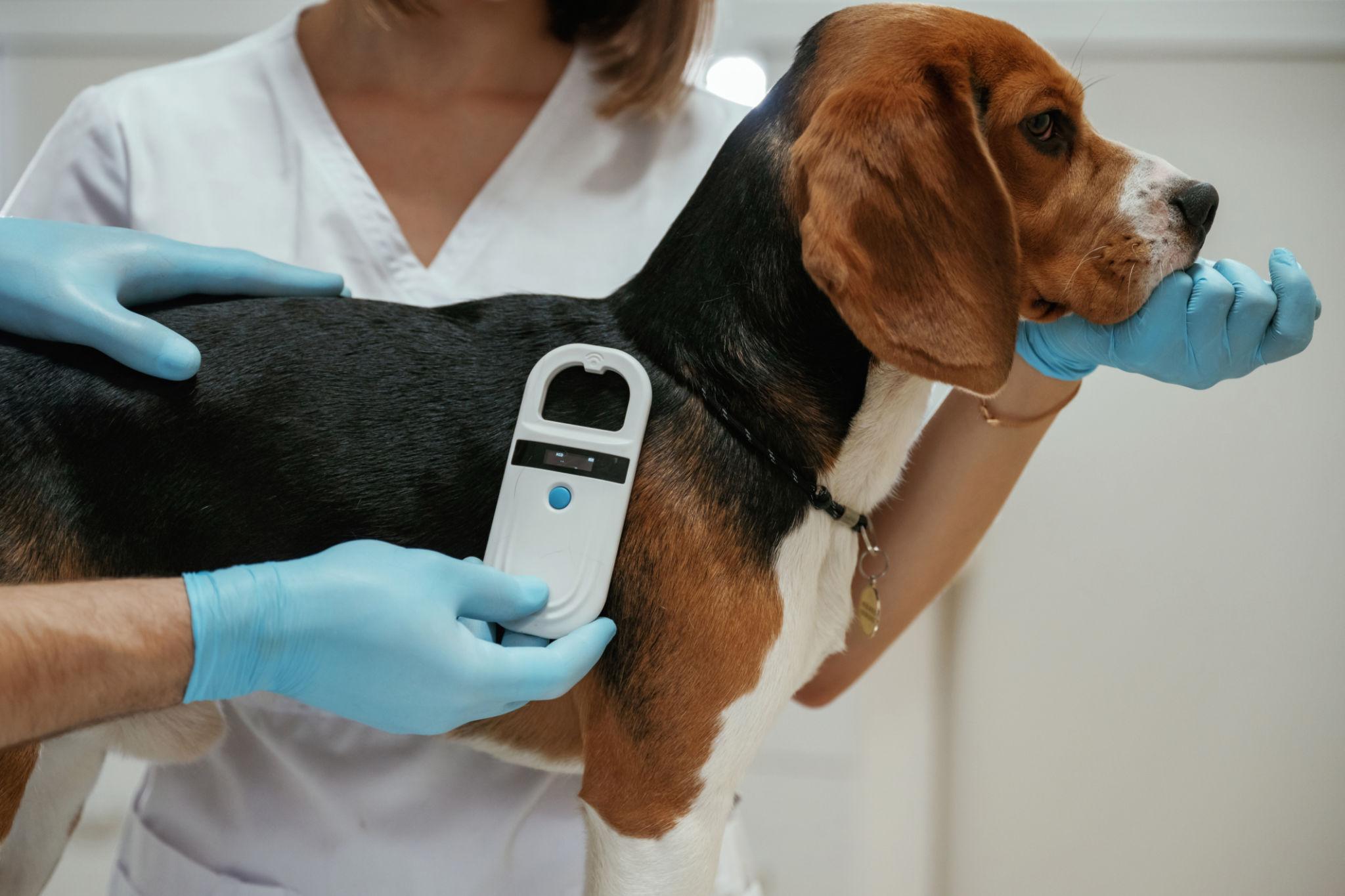
A pet microchip is a tiny identification device the size of a grain of rice. A veterinarian injects it under your pet’s skin to provide a permanent ID. This tool helps Fontana pet parents reunite with lost pets if a collar falls off or gets lost. It’s a safe and vet-recommended way to protect your pet for life.
How Does a Microchip Work in Pets?
Learning how pet microchipping works helps you feel more confident about your pet’s safety. The process of pet microchipping services Fontana is simple and takes only a few minutes during a regular vet visit.
Step 1: Microchip Placement
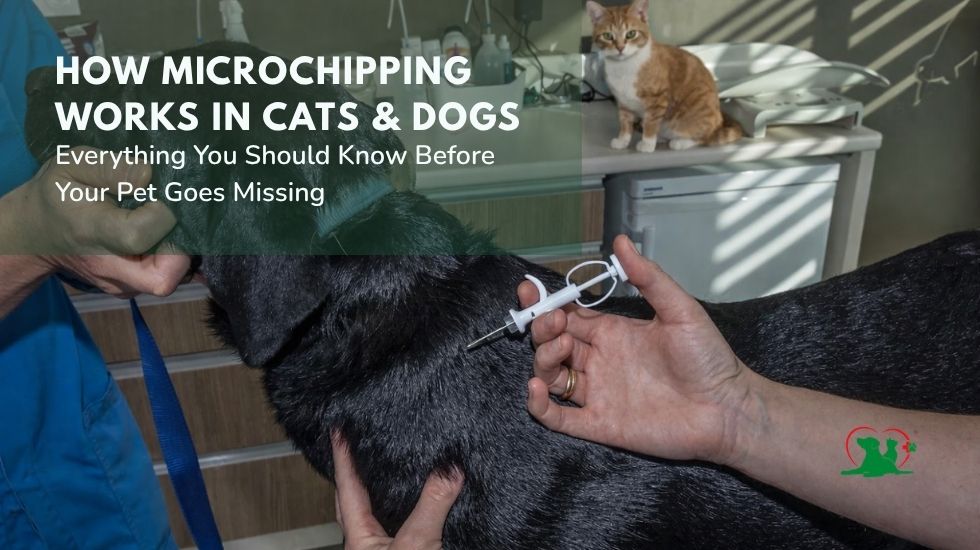
Our veterinarians use a needle to place the chip between the shoulder blades. The process feels like a quick pinch or a routine vaccination shot. Unlike major surgeries, this procedure doesn’t require pet anesthesia. Pets can get a microchip as early as 7 or 8 weeks of age.
Step 2: Unique ID Registration
Every microchip has a unique identification number that acts like a digital fingerprint. This number isn’t linked to your personal data until you register it. You must add your name and phone number to a national pet recovery database. We help you start this process to ensure your pet is always linked to you.
Step 3: Scanning Process
If your pet gets lost in Fontana, a shelter or vet will use a scanner. The scanner uses radio waves to read the ID number on the lost pet recovery microchip. The staff then calls the database company to find your contact details. This system works across the country to bring lost pets back home safely.
Our team is here to help you prepare your pet for the vet visit so that the microchipping process is effective and stress-free for your furry companion.
Is Pet Microchipping Safe for Your Pets?
Many pet parents ask if pet microchipping is safe for their furry friends. The answer is ‘yes’ because the chip is made of biocompatible materials. This means the body doesn’t reject the small device after placement.
- The chip has no battery and doesn’t require a power source.
- It stays inactive until a scanner passes over the pet’s shoulders.
- Veterinarians around the world recommend this as a standard of care while explaining how does a microchip work in pets.
- The discomfort is very low and only lasts for a few seconds.
What Are the Most Important Pet Microchip Benefits?
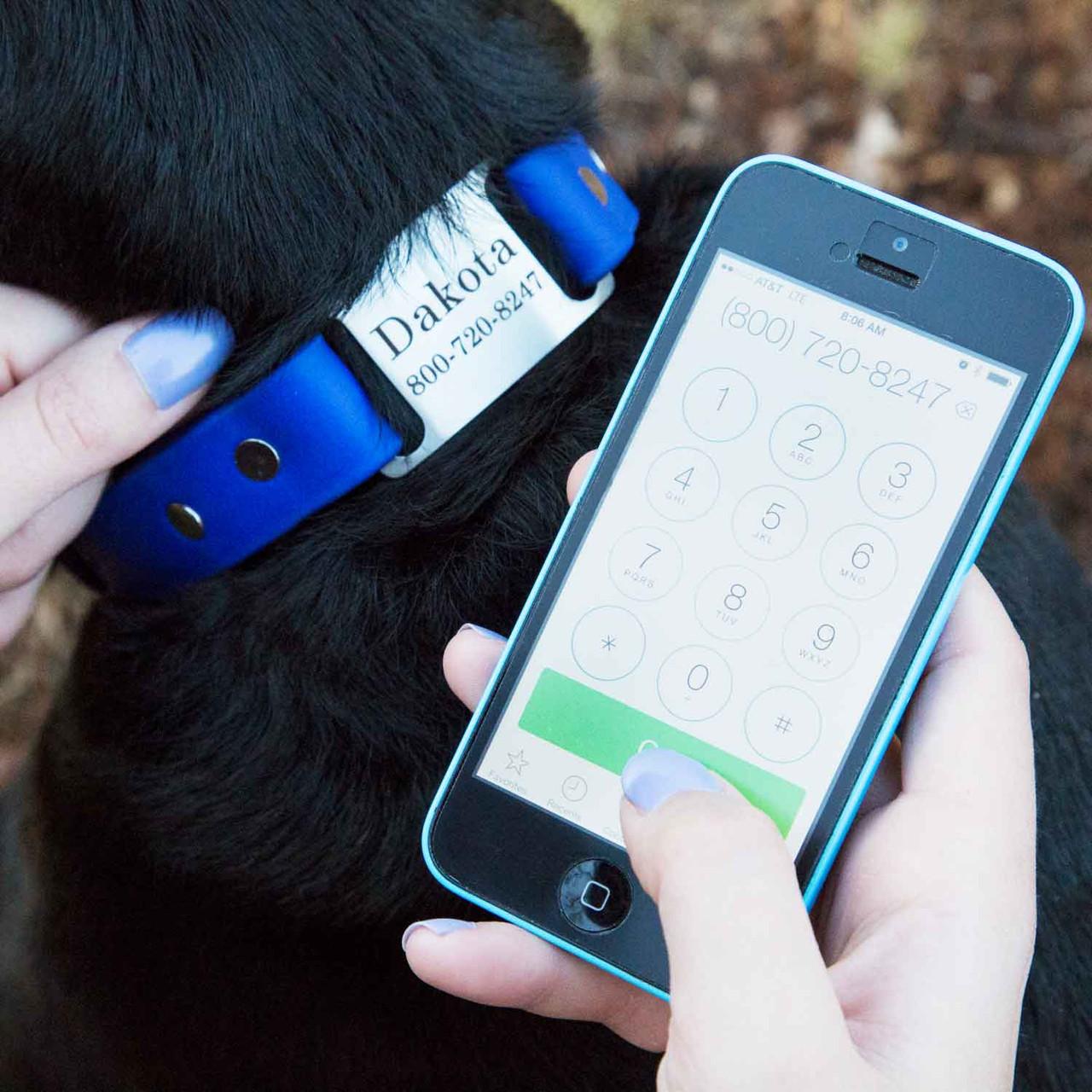
A microchip offers several layers of protection that a standard tag can’t provide. Many parents find it to be a valuable cost to microchip a dog or cat. It’s a one-time investment that lasts for the entire life of your pet.
- Permanent ID: The chip can’t fall off or become hard to read over time.
- Higher recovery rates: Microchipped pets are much more likely to return home to their owners.
- Proof of ownership: The unique ID provides legal proof that the pet belongs to you.
- Travel ease: Many countries require a microchip if you plan to travel with your pet.
- Safe, easy, and cost-effective procedure: The procedure is fast, similar to a routine vaccination, and usually the pet microchip cost Fontana pet parents between $55 and $65.
Microchip vs Collar ID: Which Is Better?
You might wonder if you should pick a microchip or a collar ID for your pet. While both tools help find lost pets, they work in very different ways. The table below shows why a microchip is a great choice for your dog or cat.
| Feature | Permanent Pet ID
(Microchip) |
Traditional Collar ID Tag |
| Durability | It lasts for the entire life of your pet. | The tag can break, or the collar can slip. |
| Visibility | It stays hidden safely under the pet’s skin. | Neighbors can see your phone number right away. |
| Maintenance | You must update your info in the database. | You must replace tags if they get hard to read. |
| Security | It’s impossible for the chip to get lost. | A lost pet recovery microchip works when tags fail. |
At our dog & cat microchip clinic Fontana, we suggest using both methods together to keep your pet as safe as possible. A collar gives a fast way for people to call you. The pet identification chip (microchip) is your backup that stays with your pet forever.
What Happens After the Pet Microchipping Fontana?
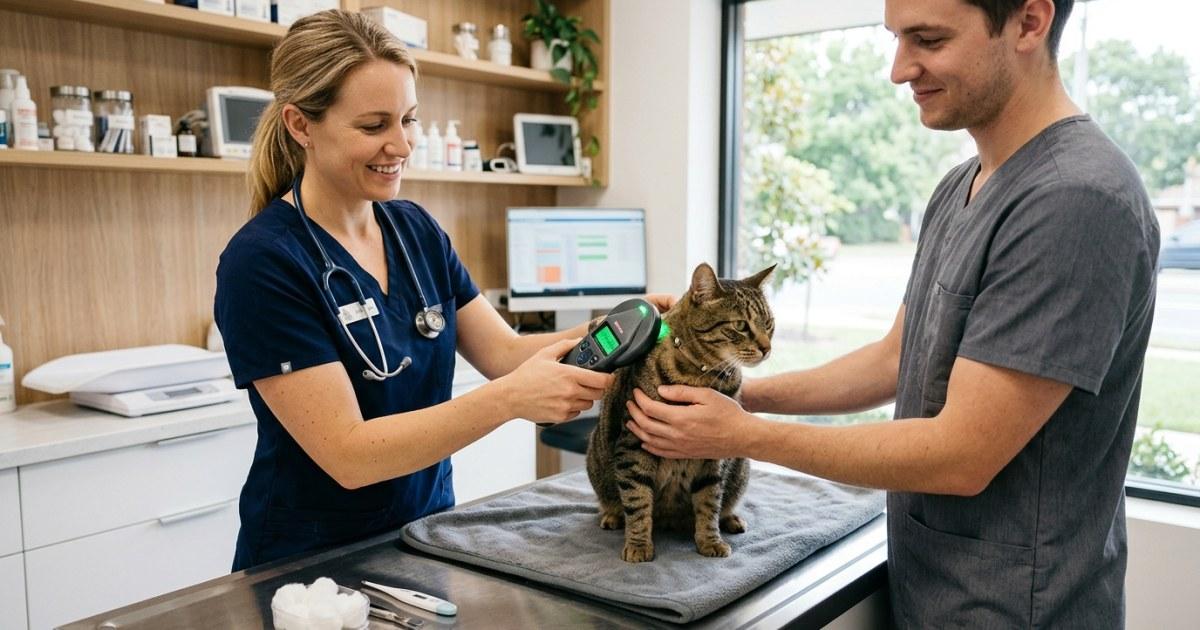
The process of protecting your pet continues after the injection. These steps ensure the microchip stays active as a reliable lifeline.
Immediate post-microchipping steps
- Registration: The unique ID is linked to your contact info in a national database. This happens online or through a form from your vet.
- Verification: Your phone and address stay in the system to help a shelter find you. These details must be correct to connect you with your pet.
- Monitoring the site: The area between the shoulder blades gets a quick check for 48 hours. This check looks for any redness or swelling in that spot.
- Activity level: Most pets return to their normal routine immediately. Avoid baths or rough play for two days so the injection site can seal.
Long-term care
- Update information: The record gets a quick update if a family moves or changes phones. Keeping this info current is the most important part of the process.
- Annual scans: Vets perform a scan during yearly checkups to verify the chip. This confirms the device is active and stays in the right spot, which is fundamental to how does a microchip work in pets throughout their life.
Start Your Pet’s Lifetime Protection Today!
Microchipping is a fast, vet-recommended procedure that provides your pet with a permanent identity that can’t be lost or removed. By combining a cat and dog microchip Fontana with a traditional collar, you create the ultimate safety net for your pet.
For those in search of “dog and cat microchipping near me”, Jurupa Hills Animal Hospital provides expert veterinary microchipping near Fontana CA, ensuring the device is placed correctly and registered in a national database. Our team makes the process as simple and stress-free as a routine vaccination shot.
To provide your furry friend with an invisible lifeline, contact us, schedule an appointment, or call (+1) 909-333-1565 to connect with us for an affordable pet microchip Fontana.
Frequently Asked Questions (FAQs)
Share This Article

Written by : Jurupa Hills Animal Hospital
Jurupa Hills Animal Hospital is proud to serve the Fontana, CA area for everything pet-related. Our veterinary clinic and animal hospital is run by Dr. Avtar Gill, who is a licensed, experienced Fontana veterinarian. Our team is committed to educating our clients on how to keep your pets healthy year round, with good nutrition and exercise. Jurupa Hills Animal Hospital stays on top of the latest advances in veterinary technology and above all, remembers that all animals and pets need to be treated with loving care in every check-up, procedure, or surgery.
All Categories
- Pet Allergies
- Pet Dental
- Pet Euthanasia
- Pet Microchipping
- Pet Parasite
- Pet Routine Checkup
- Pet Surgery
- Pet Vaccination
- Spaying and Neutering
Related Articles

October 6, 2026