Share This Article
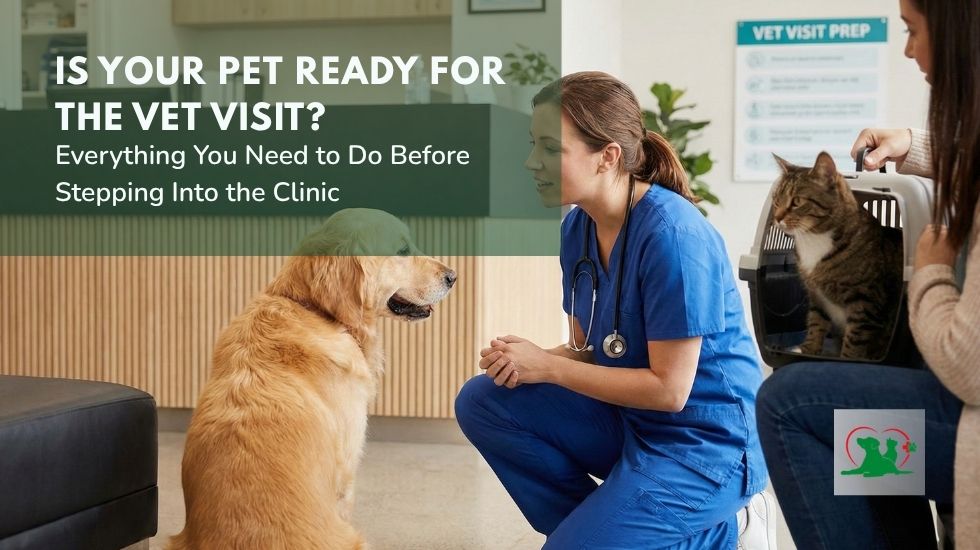
Preparing a pet for veterinary appointment includes helping your companion feel calm before leaving home. Gather health records, medications, and requested samples while following your veterinarian's instructions carefully. Proper preparation supports smoother appointments and more accurate medical evaluations.
- Key Takeaways:
- Pet First Vet Visit Checklist: What to Do Before the Appointment
- What Calming Tips Can You Follow When Preparing a Pet for Veterinary Appointment?
- What Should You Bring to a Vet Appointment?
- Pet Wellness Exam Checklist: What Happens During An Exam
- 1. Check-in and waiting: 5 to 20 minutes (varies)
- 2. History and intake by a technician or nurse: 5 to 10 minutes
- 3. Full physical exam by the veterinarian: 5 to 15 minutes
- 4. On-site tests and sample collection: Adds 5 to 30+ minutes when needed
- 5. Vaccines and preventive care: Adds 5 to 15 minutes
- 6. Discussion, treatment plan, and discharge: 5 to 20 minutes
- 7. Total estimated visit time: 20 to 60+ minutes
- What to Do After a Vet Visit: Follow-up and Home Care
- Plan Your Pet’s Stress-Free Visit Today!
- Frequently Asked Questions
As of 2024, 66% of U.S. households (86.9 million homes) own a pet. That rise means more demands for routine and pet preventive care services. Most pet parents want calm, safe vet visits for their companions, so they often wonder, “How do I prepare my pet for vet visit?” That’s because preparing ahead eases anxiety for both of you and helps the clinic focus on care.
In this blog, you’ll explore a simple step-by-step checklist on how to prepare your pet for the vet, calming techniques to reduce stress, what to bring, and clear aftercare tips so you feel ready, confident, and supported.
Key Takeaways:
- Preparing a pet for veterinary appointment ahead of time reduces anxiety and helps appointments run more smoothly for both pets and owners.
- Simple steps like carrier training, short car rides, and gathering records days in advance can make a big difference.
- Bringing medical history, medication lists, samples, and photos helps the vet make faster, more accurate decisions.
- A usual visit includes check-in, a physical exam, possible tests or vaccines, and a clear treatment discussion.
- Following aftercare instructions and monitoring your pet at home supports recovery and long-term health.
Pet First Vet Visit Checklist: What to Do Before the Appointment
The first appointment can feel overwhelming, but small steps taken in the days before will ease stress. These steps help your pet stay calm during routine exams, vaccinations, or diagnostic procedures such as digital X-rays for pets.
Start with a few low-pressure practices and gather the essentials listed below so you both arrive calm and ready.
7+ days before
🢖 Get your carrier or crate ready for travel practice.
🢖 Practice short, positive sessions so your pet links the carrier to calm.
🢖 For dogs, practice short car rides so they relax in the vehicle.
3 days before
🢖 Gather paperwork—vaccine records, prior lab results, and any notes.
🢖 Take photos or short videos of symptoms, limping, or odd behavior (if any).
🢖 Make a complete list of medications and dosages, including supplements.
24 hours before
🢖 Follow any fasting or medication instructions from the clinic. Always confirm any fasting before vet visit requests.
🢖 Many clinics ask to withhold food before anesthesia.
🢖 Put out the pet’s favorite blanket or toy near the carrier.
Morning of the visit
🢖 Walk dogs to burn energy and reduce anxiety before the appointment.
🢖 Keep cats in a quiet room until you leave to avoid last-minute stress.
🢖 Leave early and allow extra time for traffic in Fontana.
At Jurupa Hills Animal Hospital, we recommend preparing pets for handling and travel before visits, and making a pet first vet visit checklist like this as a baseline.
What Calming Tips Can You Follow When Preparing a Pet for Veterinary Appointment?
A little preparation can make the visit easier for both you and your pet when seeking pet care services. Try the following gentle, fear-free vet visit techniques at home before the appointment:
For dogs:
- Take a 15 to 30-minute walk before the visit to reduce adrenaline.
- Use reward-based carrier or crate practice with treats and praise.
- A calming vest or snug wrap can help some dogs feel safer.
- Try good pheromone products. These are calming aids that mimic natural scents animals release to communicate safety and comfort. They come in forms like diffusers, sprays, and collars to help manage stress, anxiety, and other behavioral issues in pets.
- If your dog shows severe anxiety, ask the clinic about medication options.
For cats:
- Keep the carrier out at home with comfy bedding and treats inside.
- Feed several small, calm carrier sessions so the carrier seems normal.
- Wrap anxious cats in a towel for gentle handling during transfer.
- Other strategies for how to calm cat for vet include pheromone sprays, asking about feline-only exam times, or a quieter room when possible.
- For very stressed cats, veterinarians may recommend mild sedation as part of preparing a pet for veterinary appointment.
What Should You Bring to a Vet Appointment?
Bring these items to make the visit faster, safer, and less stressful for your animal and the clinic staff:
- Medical and vaccine records, plus recent lab reports or imaging files. These help the vet see what has changed and avoid repeating tests.
- A list of current medicines, supplements, exact doses, and the time of the last dose. Include topical or OTC products. This prevents dangerous drug interactions and dosing errors.
- Any requested samples, such as a fresh stool or urine sample. Follow the clinic’s instructions for how to collect, label, and store the sample. Bring it in a sealed container and keep it cool if asked.
- Photos or short video clips of the problem behavior, limp, wound, or other issue. Video is often more helpful than a description alone.
- Microchip number or documentation, if your dog/cat has already undergone pet microchipping services. This speeds up ID checks if needed.
- Payment method and any pet insurance or authorization details. Know whether your plan covers services or requires pre-approval.
If this is your first visit, check whether the clinic has online new-patient forms and fill them out ahead of time. Our front desk gives a short list of what to bring to kitten appointment or puppy appointment when you schedule. Note them down carefully, so you don’t forget.
Pet Wellness Exam Checklist: What Happens During An Exam
Use this vet visit preparation guide to follow the common flow and timing for a routine visit. Times are approximate. What happens at a vet checkup and how long is a vet appointment depend on your pet’s age, temperament, whether tests are needed, and how busy the clinic is.
1. Check-in and waiting: 5 to 20 minutes (varies)
Arrive a few minutes early to complete any missing forms, confirm contact and payment information, and let the staff know about the samples you brought. Expect extra wait time if the clinic is handling emergencies.
2. History and intake by a technician or nurse: 5 to 10 minutes
A technician will review recent health history, current medications and supplements, diet, activity, and any behavior or symptom timeline. They record vitals such as weight, temperature, pulse, and respiration.
3. Full physical exam by the veterinarian: 5 to 15 minutes
The vet performs a head-to-tail check—eyes, ears, mouth and teeth, skin and coat, lymph nodes, heart and lungs, abdomen, joints and gait, and general body condition. If the vet finds concerns, they’ll take extra time to explain findings.
4. On-site tests and sample collection: Adds 5 to 30+ minutes when needed
Common tests include fecal exam, heartworm test, FeLV/FIV for cats, bloodwork (CBC and chemistry), urinalysis, and sometimes pet radiology. Some wellness exams are conducted in-clinic and hence, provide immediate results; while others are conducted off-site and take longer. If you were asked to bring a fresh sample, give it at check-in.
If this is your first time, you can also contact the clinic beforehand about what to expect at puppy’s first vet visit or your kitten’s first visit so you can plan for potential tests and costs.
5. Vaccines and preventive care: Adds 5 to 15 minutes
The vet will review vaccine history and recommend boosters or titers. Staff will usually administer vaccines and document them. Follow any vaccination visit prep guidance the clinic provides. Consent and brief observation after pet vaccination services may add a few minutes.
6. Discussion, treatment plan, and discharge: 5 to 20 minutes
The vet and staff will explain findings, discuss recommended tests or treatments, prescribe medications if needed, and schedule follow-ups. Staff will review aftercare instructions, answer your queries, and collect payment or insurance information.
7. Total estimated visit time: 20 to 60+ minutes
A simple wellness checkup with no tests often finishes closer to 20–30 minutes. Visits that include bloodwork, imaging, or multiple vaccines can take an hour or more, especially when you count waiting and lab processing.
What to Do After a Vet Visit: Follow-up and Home Care
After a vet visit, the care you provide at home helps your pet heal and keeps small problems from becoming bigger ones. Below are some simple steps you should follow once you get home.
1. Managing post-vaccine soreness
🢖 Mild soreness or tiredness after vaccines is normal for 24 to 48 hours.
🢖 Offer gentle meals and quiet rest. Call if swelling, severe lethargy, or trouble breathing appear.
2. Medication schedules
🢖 Give medications exactly as written and finish the full course.
🢖 Write down times and mark doses on a phone alarm or calendar.
🢖 If a pill is refused, ask the clinic for tips or a different formulation.
3. When to call back
🢖 New or worsening vomiting, diarrhea, or refusal to eat.
🢖 Trouble breathing, severe swelling, or signs of severe pain.
🢖 Any sudden change in behavior after a procedure or medication.
4. Follow-up appointments
🢖 Book follow-up visits if requested for sutures, rechecks, or lab result reviews.
🢖 Keep records of weight and any home observations for the vet to review.
Plan Your Pet’s Stress-Free Visit Today!
Good preparation makes vet visits calmer and reduces travel stress. Start at least seven days before and follow all the steps mentioned in this vet visit preparation guide to practice carriers, short car rides, and calming routines. Bring records, medicines, samples, and photos or video clips (in case your pet is going through any health issues).
At Jurupa Hills Animal Hospital, you can expect check-in, a full exam, any required tests or vaccines, and essential home care instructions to follow. If you need to book a vet visit with us, get in touch with us online, schedule an appointment, or call at (+1) 909‑333‑1565 now!
Frequently Asked Questions
Share This Article

Written by : Jurupa Hills Animal Hospital
Jurupa Hills Animal Hospital is proud to serve the Fontana, CA area for everything pet-related. Our veterinary clinic and animal hospital is run by Dr. Avtar Gill, who is a licensed, experienced Fontana veterinarian. Our team is committed to educating our clients on how to keep your pets healthy year round, with good nutrition and exercise. Jurupa Hills Animal Hospital stays on top of the latest advances in veterinary technology and above all, remembers that all animals and pets need to be treated with loving care in every check-up, procedure, or surgery.
All Categories
- Pet Allergies
- Pet Dental
- Pet Euthanasia
- Pet Microchipping
- Pet Parasite
- Pet Routine Checkup
- Pet Surgery
- Pet Vaccination
- Spaying and Neutering
Related Articles

October 6, 2026