
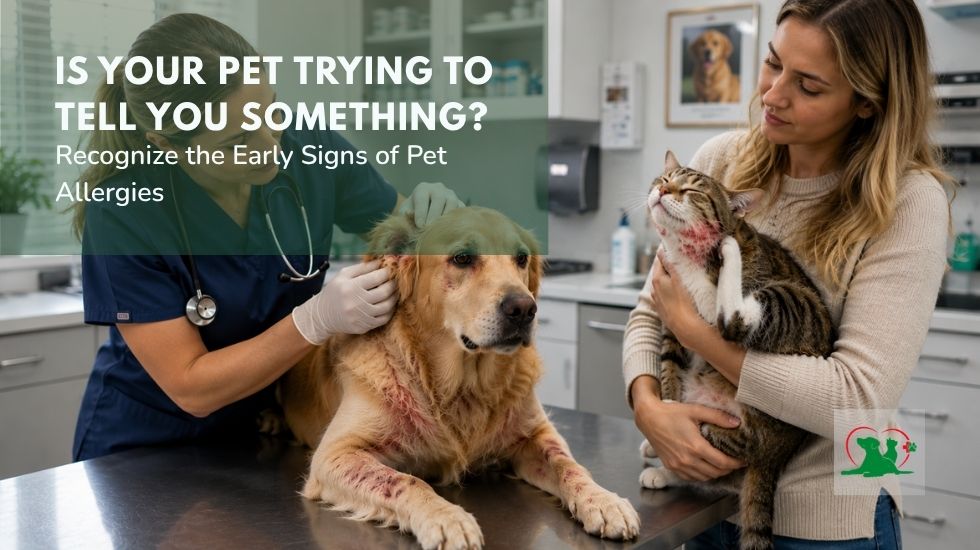
Share This Article
The signs your pet has allergies include persistent scratching, paw licking, recurring ear infections, red skin, and ongoing digestive problems. These symptoms often point to environmental, flea, or food allergies that need veterinary attention. Early diagnosis and proper treatment help prevent infections, relieve discomfort, and improve your pet's quality of life.
Healthy skin plays a bigger role in your pet’s health than many owners realize. When allergies develop, they often affect the skin, ears, paws, and even the digestive system, making everyday life uncomfortable. Catching these early warning signs can prevent painful infections and improve your pet’s quality of life.
In this blog, you’ll learn the most common signs your pet has allergies, what causes these reactions, how veterinarians diagnose them, available treatment options, simple home care tips, and when it’s time to schedule a veterinary visit to keep your pet healthy and comfortable.
Key Takeaways
- Persistent itching, paw licking, ear infections, and red skin in dogs and cats are common signs your pet has allergies.
- Allergies can be triggered by pollen, fleas, food, dust, or other everyday environmental allergens.
- A veterinary examination helps identify the real cause because many skin conditions look alike.
- Early treatment and simple home care can reduce discomfort and help prevent painful skin infections.
- Regular checkups and a personalized treatment plan help keep your pet comfortable throughout the year.
What Are Pet Allergies?
Pet allergies happen when your dog’s or cat’s immune system overreacts to harmless substances called allergens. Common triggers include pollen, dust mites, mold, fleas, and certain foods. While allergies can’t always be cured, early diagnosis and proper pet allergy treatment help control symptoms, prevent complications, and improve your pet’s quality of life.
Which Pet Allergy Symptoms Should You Never Ignore?
Allergies affect every pet differently. Some pets develop skin problems first, while others experience ear infections or digestive issues. Watching for these early warning signs your pet has allergies helps you seek treatment before the condition becomes more painful.
1. Skin changes
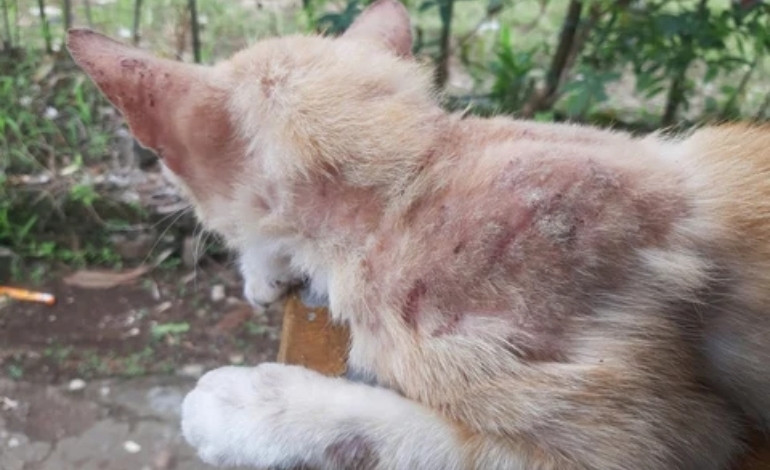
Persistent scratching is one of the most common signs of pet skin allergies. Your pet may scratch several areas throughout the day instead of one specific spot.
You may also notice red or inflamed skin that feels warm to the touch. As irritation continues, you’ll observe hot spots in dogs and cats, which are painful patches caused by excessive licking or scratching. Hair loss and scabs may also appear when the skin remains inflamed for a long time.
2. Paw problems
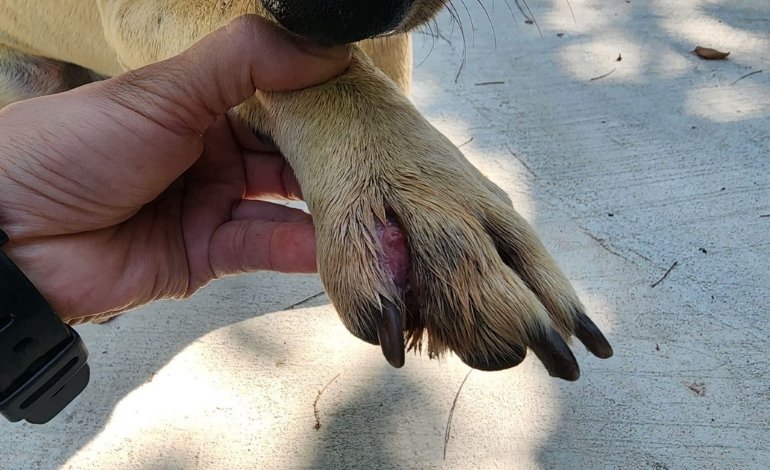
Many allergic pets spend a surprising amount of time licking or chewing their paws. Some owners mistake this behavior for grooming, but frequent licking often signals itchy skin in dogs and cats between the toes.
Over time, the skin may become red, swollen, or stained from saliva. If your pet refuses to stop chewing their paws, it’s time for a pet wellness examination.
3. Ear symptoms
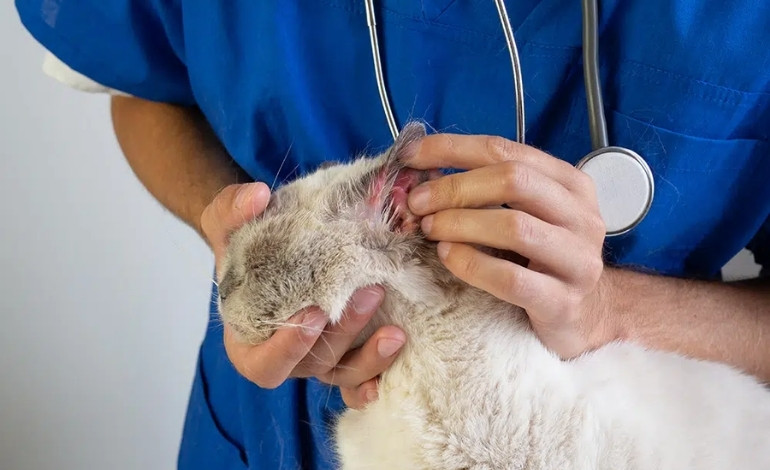
Recurring chronic ear infections in dogs and cats are another common sign of allergies. Your pet may shake their head often or scratch around the ears because of discomfort.
A bad smell, redness, or dark discharge inside the ears also deserves prompt veterinary attention. Treating the infection alone may not solve the problem if allergies remain untreated.
4. Face and eye symptoms
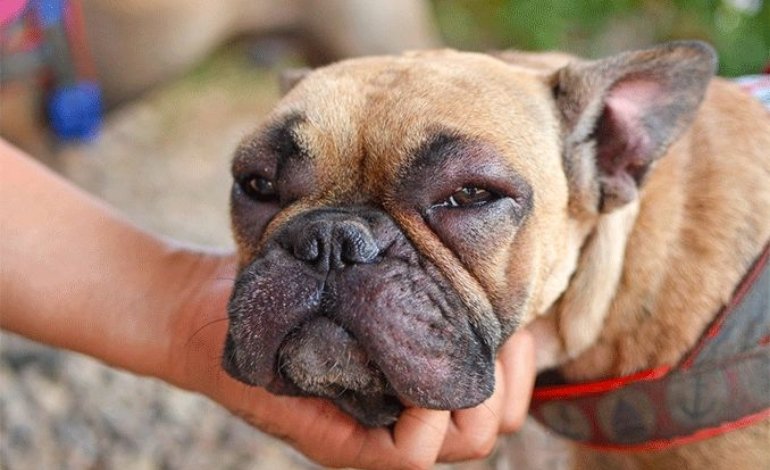
Some pets rub their face against furniture or carpet because their skin feels itchy. On the other hand, you’ll also observe redness, sneezing, or a runny nose, or watery eyes in pets after exposure to environmental allergens.
These pet allergy symptoms may seem mild at first, but they often return whenever your pet encounters the same allergen.
5. Digestive symptoms
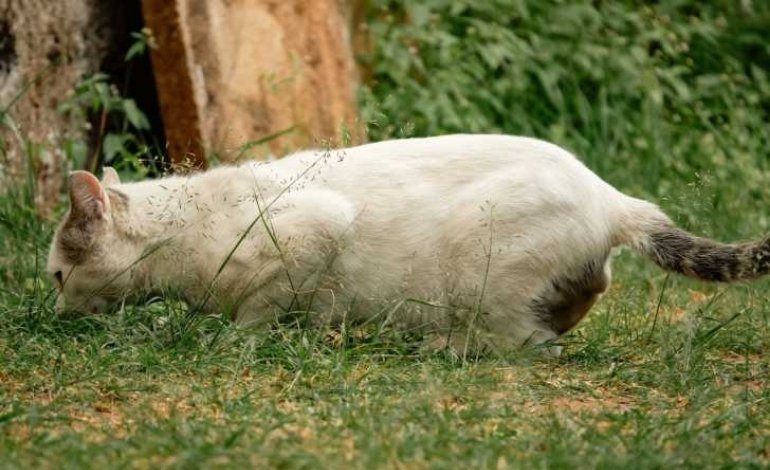
Food allergies may also cause digestive problems. Some pets experience vomiting, diarrhea, gas, ongoing stomach upset, or a cat or dog not eating after eating certain ingredients.
Digestive issues alone don’t always mean your pet has a food allergy. Your veterinarian will consider your pet’s medical history and other symptoms before making a diagnosis.
⦿ Many dogs and cats can show several pet allergy symptoms at the same time. For example, a dog may have itchy paws, recurring ear infections, and red skin together. Recognizing this pattern early gives your veterinarian valuable clues and helps your pet receive the right treatment sooner.
What Causes Allergies in Pets?
Finding the cause of your pet’s allergies is the first step toward lasting relief. While the symptoms may look alike, the trigger can vary from one pet to another. Your veterinarian will consider your pet’s history, lifestyle, and physical examination before narrowing down the cause.
1. Environmental allergens

Environmental allergies in pets, also called atopic dermatitis or atopy, develop when pets react to substances in their surroundings. These allergens may be present indoors or outdoors, which means symptoms can appear during certain seasons or throughout the year.
Common environmental allergens include:
(i) Pollen from trees, weeds, and grasses
(ii) Dust mites
(iii) Mold and mildew
(iv) Household dust
Pets with environmental allergies often have itchy skin, red paws, recurring ear infections, or excessive scratching. Their symptoms may become worse after spending time outside or during high pollen seasons if not treated with the right pet dermatology services.
2. Flea allergies
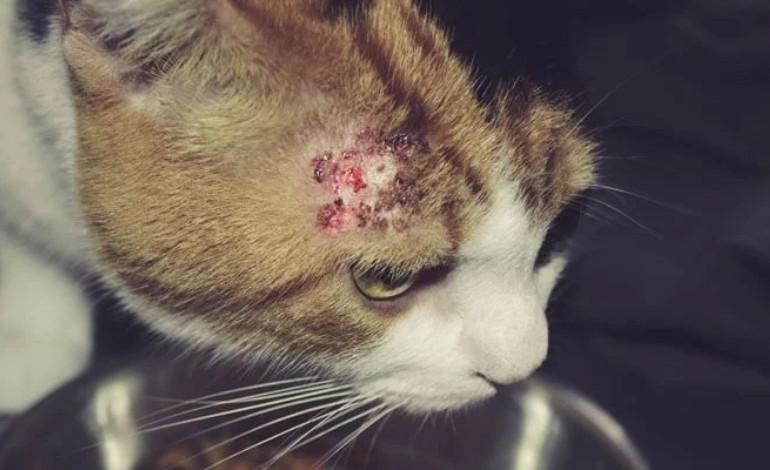
Some pets react to proteins found in flea saliva instead of the flea itself. This reaction is medically known as flea allergy dermatitis (FAD). Even a single flea bite can trigger intense itching in sensitive dogs and cats.
You may notice scratching around the tail base, lower back, or thighs. Because fleas can be difficult to spot, your veterinarian may recommend year-round flea prevention services even if you rarely see fleas on your pet.
3. Food allergies

Many pet owners assume food is the most common allergy trigger, but true food allergies are less common than environmental allergies. When they do occur, they often cause ongoing skin problems along with recurring ear infections. Some pets also develop vomiting or diarrhea.
AAHA recommends a carefully supervised elimination diet trial to diagnose food allergies in pets. Pet bloodwork alone can’t reliably confirm food allergies. Your veterinarian will guide you through the process and monitor your pet’s progress.
4. Contact allergies
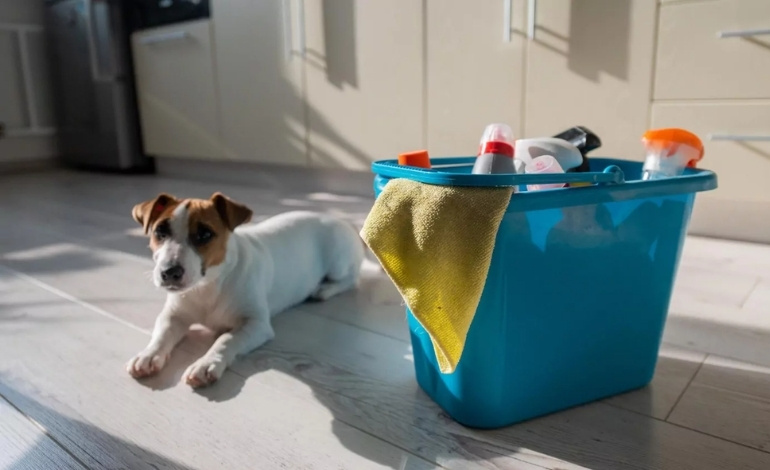
Although less common, some pets develop skin irritation after touching certain materials or products. These may include cleaning products, shampoos, lawn chemicals, fabrics, or plastic food bowls.
The affected skin often becomes red where direct contact occurred. Your veterinarian can help determine whether a contact allergy is responsible for your pet’s symptoms.
How Can You Differentiate Signs of Pet Allergies From Other Health Problems?
Many skin conditions look alike during the early stages. That’s why guessing at home can delay the right treatment. This simple comparison shows how allergies differ from other common conditions, including the signs of ringworm in pets.
| Condition | Common Signs |
| Pet allergies | Paw licking in dogs and cats, itching, recurring ear infections, red skin |
| Fleas | Scratching near the tail, flea dirt, visible fleas |
| Mange | Patchy hair loss, crusty skin, intense itching |
| Ringworm | Circular hair loss with scaly patches |
| Skin infection | Redness, odor, discharge, painful skin |
Only a veterinary examination can confirm the cause. At Jurupa Hills Animal Hospital, we perform skin cytology, skin scrapings, flea checks, and other tests to rule out conditions that mimic allergies before making a diagnosis.
When Should You Go to the Vet for Dog or Cat Allergies Treatment?
Some mild itching may improve on its own, but ongoing symptoms deserve professional attention. Early treatment can prevent painful skin infections and reduce your pet’s discomfort.
Schedule a veterinary visit if your pet has:
(i) Itching that lasts more than a few days
(ii) Frequent ear infections
(iii) Constant paw licking or chewing
(iv) Hair loss or hot spots
(v) Red, inflamed, or bleeding skin
(vi) Vomiting or diarrhea that continues with skin symptoms
Seek emergency veterinary care right away if your pet develops facial swelling, difficulty breathing, sudden collapse, or severe vomiting after a suspected allergic reaction. These signs may indicate a serious allergic emergency that requires immediate treatment.
※ Take a few minutes to prepare your pet for the vet visit, as it can reduce stress and help your veterinarian diagnose allergies more effectively.
How Do Veterinarians Diagnose Signs Your Pet Has Allergies?
Diagnosing pet allergies takes more than a single test. Your veterinarian follows a step-by-step process to identify the actual cause of dog or cat allergy symptoms and rule out other skin conditions before creating a treatment plan.
- Review your pet’s medical history: Questions about signs your pet has allergies, diet, flea prevention, seasonality, and previous treatments help narrow down possible triggers.
- Perform a thorough physical exam: The skin, ears, paws, and coat are checked for signs of allergies, parasites, or infections.
- Rule out other conditions: Skin and ear tests help detect bacteria, yeast, mites, fleas, or fungal diseases that can mimic allergies.
- Identify the allergy trigger: If needed, your veterinarian may recommend an elimination diet for food allergies or allergy testing for pets to identify environmental allergens and guide long-term treatment.
What Are the Best Cat and Dog Allergies Treatment Options?
The best treatment depends on what’s causing your pet’s allergies. After identifying the trigger, your veterinarian will recommend a personalized plan to relieve pet allergy symptoms, prevent flare-ups, and improve your pet’s comfort. Many pets benefit from a combination of treatments rather than a single solution.
- Prescription medications: Help control itching, inflammation, and other cat and dog allergy symptoms.
- Medicated shampoos and topical treatments: Calm irritated skin, remove allergens from the coat, and support skin healing.
- Year-round flea prevention: Reduces the risk of future flare-ups caused by flea allergy dermatitis.
- Prescription diet trials: Help identify food allergies and eliminate trigger ingredients.
- Long-term allergy management for pets: Regular checkups allow your veterinarian to adjust treatment as your pet’s needs change, helping them stay comfortable throughout the year.
What Should You Do at Home When Signs Your Pet Has Allergies Appear?
Veterinary treatment works best when it’s combined with good home care. Small daily habits can reduce allergen exposure and help prevent future flare-ups.
- Wipe your pet’s paws after outdoor walks to remove pollen and grass.
- Wash your pet’s bedding regularly to reduce dust, pollen, and other allergens.
- Stay current with veterinarian-recommended flea prevention throughout the year.
- Avoid products that have caused pet skin irritation in the past.
- Bathe your pet only with veterinarian-approved shampoos because frequent bathing can dry the skin.
- Keep a simple allergy diary to record flare-ups, weather changes, foods, and places your pet visits. This information can help your veterinarian identify patterns during future appointments.
Home care can improve your pet’s comfort, but it should never replace a veterinary examination. If the signs your pet has allergies continue or become worse, your pet should be evaluated as soon as possible.
Could Your Pet’s Itching Be More Than an Itch? Ask Jurupa Hills Animal Hospital!
Recognizing the signs your pet has allergies early can make a real difference to their health and comfort. Persistent scratching, paw licking, recurring ear infections, red skin, or digestive problems should never be ignored. Identifying these symptoms early allows your veterinarian to diagnose the underlying cause and begin the right treatment before complications develop.
At Jurupa Hills Animal Hospital, we provide comprehensive pet care services, including allergy evaluations, advanced diagnostic testing, and personalized treatment plans to help dogs and cats find lasting relief from allergies.
Write to us here, schedule an appointment, or call (+1) 909-333-1565 if you’ve noticed any pet allergy symptoms and want solutions before the condition gets worse.
Frequently Asked Questions (FAQs)
Share This Article

Written by : Jurupa Hills Animal Hospital
Jurupa Hills Animal Hospital is proud to serve the Fontana, CA area for everything pet-related. Our veterinary clinic and animal hospital is run by Dr. Avtar Gill, who is a licensed, experienced Fontana veterinarian. Our team is committed to educating our clients on how to keep your pets healthy year round, with good nutrition and exercise. Jurupa Hills Animal Hospital stays on top of the latest advances in veterinary technology and above all, remembers that all animals and pets need to be treated with loving care in every check-up, procedure, or surgery.
All Categories
- Pet Allergies
- Pet Dental
- Pet Euthanasia
- Pet Microchipping
- Pet Parasite
- Pet Routine Checkup
- Pet Surgery
- Pet Vaccination
- Spaying and Neutering