Share This Article
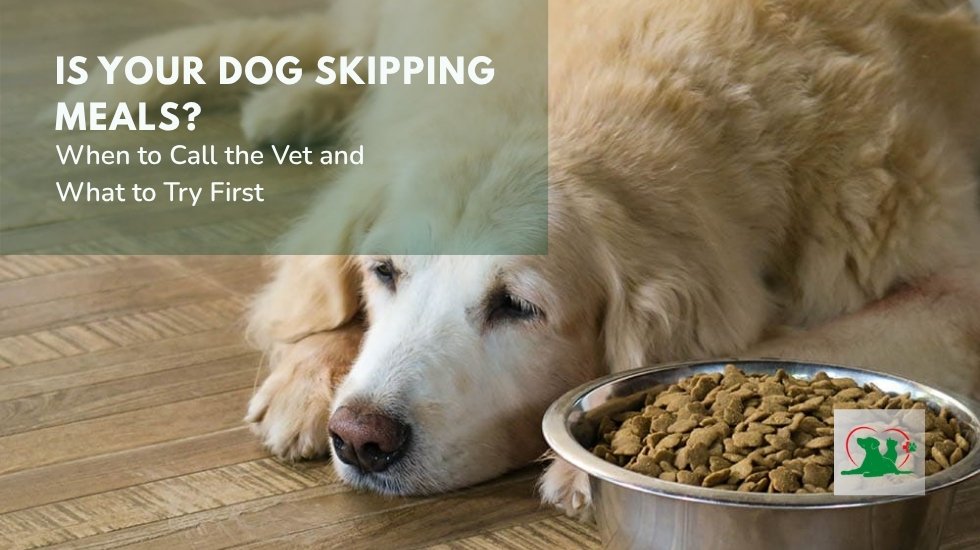
A dog not eating can result from illness, dental pain, stress, routine changes, food issues, or other health problems. If your dog refuses food for more than 24 hours, contact your veterinarian. Seek immediate care for vomiting, breathing difficulty, abdominal swelling, collapse, seizures, or suspected toxin ingestion, especially in vulnerable dogs.
- Key Takeaways
- How Long Is a Dog Not Eating Safe?
- What Are the Causes of Appetite Loss in Dogs?
- When to Take Dog to the Vet: Appetite Loss Signs Indicating a Medical Emergency
- How Does Preventive Care Prevent Loss of Appetite in Dogs Before It Starts?
- What Safe Ways Can Encourage Your Dog to Eat During Canine Appetite Loss?
- Why Rancho Cucamonga Pet Parents Trust Jurupa Hills Animal Hospital Regarding Treatment for Dog Appetite Loss?
- Ready to Go From Worried Pet Parent to Relieved and Informed?
Is your dog suddenly turning their nose up at their favorite meal? While some dogs are just naturally picky about their food, a total loss of appetite usually suggests an underlying health condition or a high level of stress. Knowing how to react can make a huge difference in your dog’s comfort.
This blog will explore the many reasons for your dog not eating food and when you should start to worry. We’ll also look at the best ways to handle this situation at home and when to seek professional help.
Key Takeaways
- Dog loss of appetite can be caused by medical conditions, stress, environmental changes, dental problems, infections, or dietary issues.
- Puppies, senior dogs, toy breeds, and dogs with existing health conditions are at greater risk when they stop eating and may need faster veterinary attention.
- Emergency signs such as breathing difficulties, persistent vomiting, abdominal swelling, collapse, or suspected toxin ingestion require immediate veterinary care.
- Safe at-home tricks include warming food, using healthy toppers, reducing stress, and creating a calm feeding environment.
- Regular wellness exams, dental care, parasite prevention, vaccinations, and proper nutrition help prevent appetite-related health issues before they develop.
How Long Is a Dog Not Eating Safe?
You know your dog better than anyone else does. If they refuse to eat, you must look at their age, size, and overall health. Safety limits vary for every dog, but going regularly for pet preventive care services can help you better understand these differences. Use these general guidelines to see how long your dog can safely wait:
- Healthy adults: They can survive up to 3–5 days, but will begin to suffer from weakness and malnutrition.
- Puppies and senior dogs: They have fewer nutritional reserves. They can become dangerously weak within 24 to 48 hours.
- Toy breeds: Dogs like Chihuahuas or Yorkies are highly prone to dangerous drops in blood sugar (hypoglycemia) if they skip meals.
- Sick or diabetic dogs: A dog with underlying health conditions can deteriorate rapidly in 24 hours or less.
What Are the Causes of Appetite Loss in Dogs?
Dogs don’t stop eating for no reason at all. There’s always a specific cause behind an empty stomach. Sometimes it’s a health issue or just a change in your house that leaves your dog not eating and lethargic. Here are the top reasons for this new behavior:
1. Medical causes
Medical issues are often the primary cause of sudden loss of appetite in dogs. Doctors use the word “anorexia” when a dog refuses to eat any food. It’s often a sign that your dog is feeling unwell or hurt.
(i) Periodontal disease: This condition is a severe infection of the gums and teeth. It makes chewing dry food very painful for your dog and is one of the major signs of illness in dogs. Pet dental care services are often required to address the issue.
(ii) Systemic illness: Problems with the liver or kidneys can make your dog feel nauseous, often resulting in your dog losing weight and not eating. They lose their desire to eat when their body feels sick.
(iii) Infections: A fever or a viral infection can make your dog very tired. They’ll usually stop eating until their body starts to heal.
2. Environmental and behavioral factors
Your dog is very sensitive to the world around them. Even small changes in your home can affect their eating habits.
(i) Local weather: The high heat in Rancho Cucamonga can make dogs feel tired. They often eat less when the outdoor temperature rises during the day, which can look like a sick dog not eating.
(ii) New anxiety: A move to a new house or a new pet can cause stress. This stress makes them lose interest in their regular meals.
(iii) Schedule changes: Dogs like to have a routine for their daily meals. A change in your work schedule might confuse their natural hunger and result in your dog not eating.
3. Dietary issues
Sometimes the issue with your dog not eating is simply what’s inside the food bowl. Dogs can be picky about the quality or taste of their food, and you might find your dog not eating for two days.
(i) Spoiled kibble: Dog food can go bad if it stays in a warm place. Your dog can smell the change even if you can’t see it.
(ii) New recipes: Changing your dog’s food too fast can cause an upset stomach. You should always mix new food with the old food slowly.
(iii) Table scraps: Giving your dog too many treats can spoil their appetite. They may hold out for human food instead of eating their kibble.
When to Take Dog to the Vet: Appetite Loss Signs Indicating a Medical Emergency
A dog loss of appetite is often the first sign that something is wrong. You need to look for other symptoms that indicate a major health crisis. These emergency red flags tell you when your dog needs medical help right away:
Critical red flags (Go to the vet immediately)
If your dog refusing food along with any of the following symptoms, seek urgent veterinary care:
- Difficulty breathing: Rapid, heavy, or open-mouth breathing, extended neck, or blue-tinged gums.
- Extreme lethargy or collapse: Unresponsiveness, inability to stand, or extreme weakness.
- Abdominal pain or swelling: A hard, distended, or painful belly (especially if your dog is pacing or hunching over).
- Persistent vomiting/diarrhea: Repeated vomiting or diarrhea, particularly if blood is present.
- Suspected toxin ingestion: If you know or suspect your pet ate something toxic (such as chocolate, xylitol, or household cleaners) or swallowed a foreign object.
- Inability to urinate/defecate: Straining or crying out while trying to go to the bathroom.
- Seizures or loss of consciousness: Any uncontrolled shaking, tremors, or collapsing.
When to call within 24 hours
Even without life-threatening symptoms, a dog that won’t eat requires a call to the vet. Don’t wait more than 24 to 48 hours if your dog:
- Refuses water: Total refusal of both food and water can quickly lead to dangerous dehydration.
- Shows mild but persistent symptoms: Mild, ongoing dog digestive issues or a decreased activity level that lasts longer than a day.
- Shows signs of pain: Whining, restlessness, or refusal to put weight on a paw, which is common in a senior dog not eating.
How Does Preventive Care Prevent Loss of Appetite in Dogs Before It Starts?
Most dogs live for mealtime and treats. When a dog stops eating, it usually means a health problem has already moved in. Preventive care helps block those problems so your dog stays excited for their bowl. Here’s how that works:
- Early disease detection: Annual or semi-annual pet wellness exams include pet bloodwork that can flag metabolic disorders, kidney disease, liver failure, or diabetes long before clinical symptoms appear. Catching these diseases early keeps your dog comfortable and maintains their desire to eat.
- Routine dental care: Periodontal disease is highly painful and causes dogs to avoid chewing. Regular cleanings, exams, and at-home brushing prevent inflamed gums and broken teeth that cause dogs to stop eating.
- Pet parasite prevention: The importance of pet routine checkups can’t be overstated. Intestinal parasites, fleas, and ticks directly compromise a dog’s digestive system and overall health. This leads to nutritional deficiencies and nausea. Year-round preventatives keep gastrointestinal distress at bay.
- Dog vaccinations: Knowing the importance of pet vaccinations and keeping up-to-date with core and lifestyle immunizations protects dogs from infectious diseases (like parvovirus or leptospirosis) that are notorious for causing fever, lethargy, your dog eating less than usual, and a severe dog loss of appetite.
- Nutrition and weight management: Feeding a high-quality diet tailored to your dog’s specific life stage and activity level prevents dietary sensitivities and nutrient gaps. Routine weight monitoring and body condition scoring ensure your dog is not secretly losing weight.
- Managing behavioral triggers: Preventive behavioral care helps reduce stress from environmental changes (like moving or a new family member) that cause anxiety-related appetite fluctuations.
What Safe Ways Can Encourage Your Dog to Eat During Canine Appetite Loss?
If your dog is staring at their bowl without interest, you can try making a few simple changes to help them out. These safe home tricks for a dog not eating but drinking water focus on their natural senses to get them back into a healthy routine:
- Enhance the aroma: Dogs are highly scent-driven. Slightly warming their food in the microwave can make it much more enticing. Always stir the food thoroughly to ensure there are no hot spots before serving.
- Use high-value toppers: Mix in safe, unseasoned human foods. Good options include plain boiled white rice, plain cooked pumpkin puree (not pie filling), or a splash of water from canned, water-packed tuna.
- Try different textures: If your dog won’t eat dry food but normally eats dry kibble, try swapping to or mixing in canned wet food to change the consistency and flavor profile.
- Hand-feeding: Sit with your dog and offer the food directly from your hand. The personal attention and comfort can sometimes ease mealtime anxiety.
- Switch up the environment: Feed your dog in a quiet, calm area where they won’t be bothered by other pets or household noise.
- Get them moving: A light walk or a short play session right before mealtime can safely stimulate their natural hunger drive.
Why Rancho Cucamonga Pet Parents Trust Jurupa Hills Animal Hospital Regarding Treatment for Dog Appetite Loss?
Dealing with a dog that won’t eat is very stressful for any pet parent. Our hospital provides the expert care and guidance you need during these tough moments. Here’s why our local community trusts us with their dogs:
- Urgent and walk-in availability: Dog appetite problems can quickly become a scary emergency. Our clinic offers walk-in visits and weekend hours to help you get medical care without waiting for an appointment.
- Advanced diagnostics and preventive care: We use digital imaging and blood tests to find the root of the problem. These methods help us identify dental disease or kidney issues, due to which your dog stopped eating.
- Transparent treatment plans: Our vets explain why your dog not eating food in Rancho Cucamonga and detail every step of the plan. We discuss all costs openly so you understand exactly what to expect during treatment.
- Caring, community-focused staff: You’ll find a team that treats your dog with empathy and care. We focus on teaching you about dog health while supporting you through every stressful medical situation.
- Highly-rated client experience: Local pet parents love how we treat every dog like a member of our family. We provide clear medical steps and listen closely to all of your dog’s health concerns.
Ready to Go From Worried Pet Parent to Relieved and Informed?
Your dog not eating food can be due to health issues, environmental changes, or simple pickiness. It’s important to know the safety limits for your dog’s size and age. While small changes at home might help, preventive care is the best way to keep your dog excited for every single meal.
Jurupa Hills Animal Hospital excels at identifying the underlying triggers of canine appetite loss through thorough physical exams. Our hospital is here to provide the expert care your dog deserves when they’re feeling unwell. Write to us here, schedule an appointment, or call (+1) 909-333-1565 to help your pet feel better!
Frequently Asked Questions (FAQs)
Share This Article

Written by : Jurupa Hills Animal Hospital
Jurupa Hills Animal Hospital is proud to serve the Fontana, CA area for everything pet-related. Our veterinary clinic and animal hospital is run by Dr. Avtar Gill, who is a licensed, experienced Fontana veterinarian. Our team is committed to educating our clients on how to keep your pets healthy year round, with good nutrition and exercise. Jurupa Hills Animal Hospital stays on top of the latest advances in veterinary technology and above all, remembers that all animals and pets need to be treated with loving care in every check-up, procedure, or surgery.
All Categories
- Pet Allergies
- Pet Dental
- Pet Euthanasia
- Pet Microchipping
- Pet Parasite
- Pet Routine Checkup
- Pet Surgery
- Pet Vaccination
- Spaying and Neutering