Share This Article
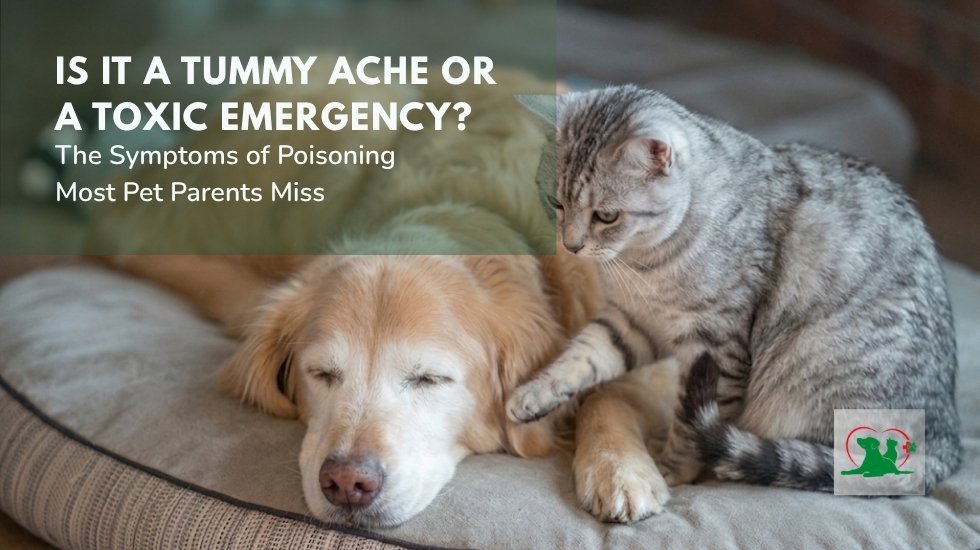
Pet poisoning symptoms can include vomiting, diarrhea, drooling, weakness, tremors, seizures, confusion, breathing trouble, and abnormal gum colour. Some signs appear quickly, while others may take hours or days. If you suspect poisoning, contact a veterinarian immediately, even if your pet seems normal, because certain toxins cause delayed effects.
- Key Takeaways
- What Are the Common Signs Your Pet Has Been Poisoned?
- What Are the Warning Signs of Toxicity That Need Urgent Pet Poisoning Treatment?
- What Are Common Household Things That Can Cause an Animal Poison Emergency?
- How Quickly Will Your Cat or Dog Show Pet Poisoning Symptoms?
- What to Do if You See Signs Your Pet Has Been Poisoned?
- How Does an Emergency Vet Fontana Diagnose and Treat Pet Poisoning?
- How Can You Prevent Toxic Poisoning in Cats and Dogs at Home?
- Your Home Is Their World. Is It as Safe as You Think It Is?
There’s no pain quite like watching your pet struggle while you feel helpless to stop it. When a poisoning happens, your quick thinking and knowledge are the most powerful tools you have to save their life.
You may want to learn how to know if your pet has been poisoned when every second counts, and we want to make sure you have all the information you need to handle a medical crisis with confidence while searching for an “emergency pet clinic near me”.
This guide covers the major symptoms of pet poisoning and the common household chemicals that cause them. We have also explained the treatment process and how you can stop these scary situations before they start by making simple changes at home.
Key Takeaways
- Common signs your pet has been poisoned include vomiting, diarrhoea, excessive drooling, weakness, seizures, confusion, abnormal gums, and breathing difficulties.
- Severe symptoms such as seizures, repeated vomiting, breathing problems, collapse, abnormal gum colour, or excessive drooling require urgent veterinary attention.
- Common household toxins include xylitol, chocolate, grapes, medications, cleaning products, antifreeze, lilies, pest control products, and essential oils.
- If poisoning is suspected, remove the toxin, identify what your pet consumed, and never induce vomiting without veterinary instructions.
- Emergency treatment may involve decontamination, activated charcoal, IV fluids, diagnostic testing, and toxin-specific antidotes based on the poisoning involved.
What Are the Common Signs Your Pet Has Been Poisoned?

You know your pet better than anyone else, so a sudden change in their behavior is often the first clue. These are the common signs your pet has been poisoned:
1. Gastrointestinal and systemic signs
Stomach issues are often the first sign that something is wrong. Watch for these common signals that affect your pet’s system:
(i) Vomiting and diarrhea: Frequently, the first signs. Look for repeated episodes or blood.
(ii) Excessive drooling or foaming: Indicates the pet ingested something irritating, often resulting in excessive drooling in dogs and cats.
(iii) Lethargy and weakness: A sudden lack of energy or other lethargic dog symptoms / cat symptoms.
(iv) Loss of appetite and thirst: Refusing food or appearing excessively thirsty.
2. Neurological and physical signs
Some poisons affect the brain and muscles instead of the stomach. Here’s how to know if your pet has been poisoned by observing neurological and physical shifts:
(i) Pet tremors and seizures: Involuntary muscle shaking or convulsions.
(ii) Disorientation or staggering: Appearing drunk, confused, or having trouble walking.
(iii) Abnormal gum color: Gums that are very pale, blue, or excessively bright red.
(iv) Respiratory distress: Rapid, labored, or difficult breathing.
What Are the Warning Signs of Toxicity That Need Urgent Pet Poisoning Treatment?
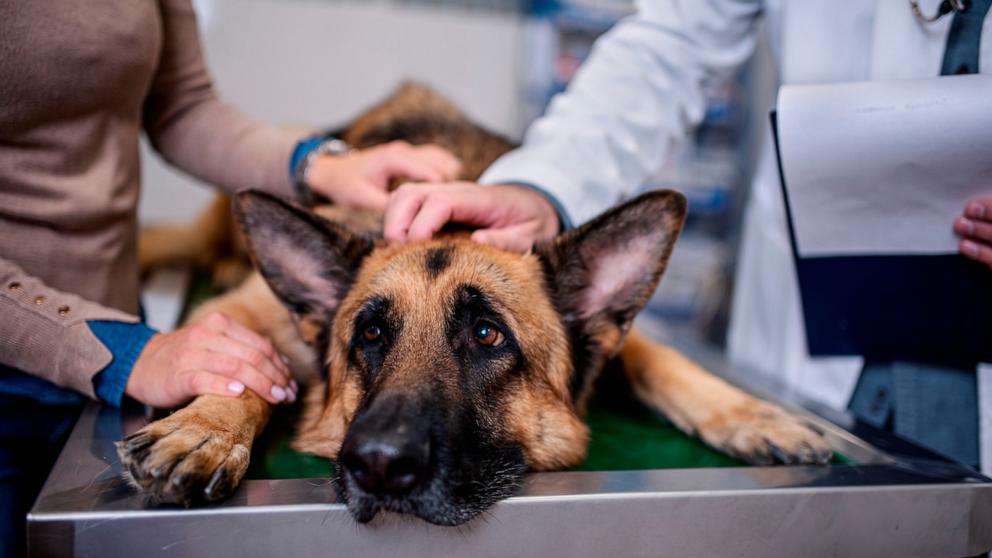
While some pet poisoning symptoms can be monitored, others require you to drop everything and head to the vet. If you see any of these “red alert” symptoms, call and visit your emergency veterinarian in Fontana immediately:
- Neurological distress: Seizures, muscle tremors, severe restlessness, or a sudden loss of balance.
- Severe gastrointestinal upset: Repeated vomiting, bloody stool, or persistent diarrhea.
- Breathing difficulties: Rapid panting, wheezing, or choking.
- Behavioral or state changes: Sudden collapse, loss of consciousness, extreme lethargy, or unresponsiveness.
- Mouth and skin irritation: Burns or ulcers on the lips or tongue, or visibly red/swollen skin.
- Abnormal gum color: Gums that appear pale, bright red, or blue instead of a healthy pink.
- Excessive drooling: Uncontrollable foaming at the mouth or drooling.
What Are Common Household Things That Can Cause an Animal Poison Emergency?
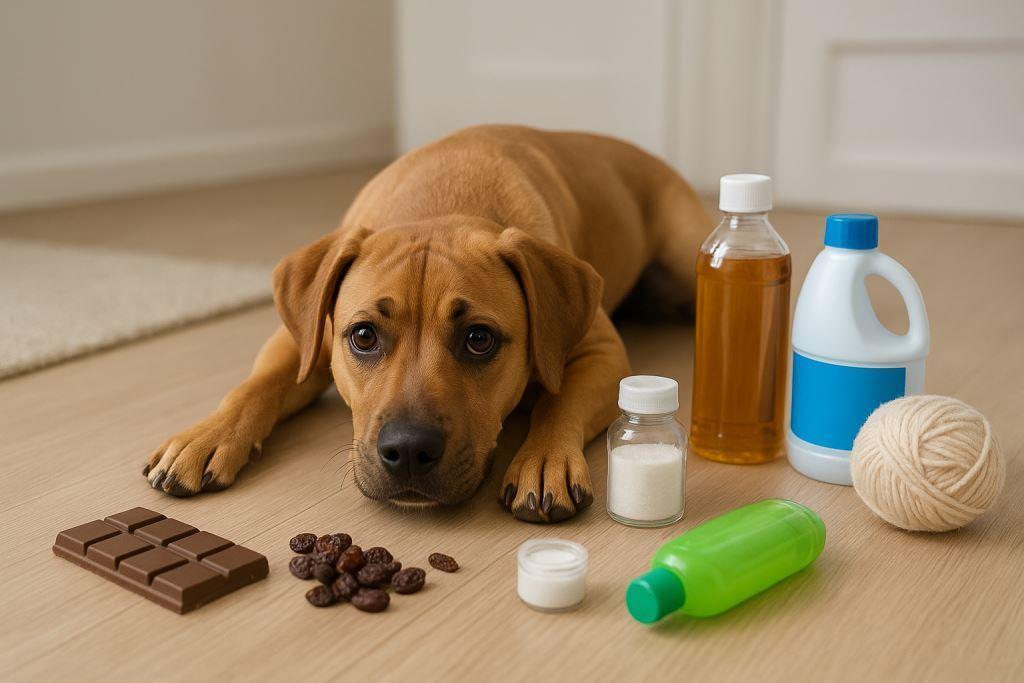
Our homes are full of items that are safe for us but deadly for our pets. From the kitchen to the garage, these are the most common household items that cause animal poisonings and lead many to search for a “vet near me for poisoning”:
1. Foods and Kitchen Items
Some of our favorite snacks are actually toxic foods for dogs and cats. These items should never be shared with your furry family members:
(i) Xylitol: This sugar substitute found in sugar-free gum, candies, and some peanut butters can cause xylitol poisoning in pets, leading to life-threatening drops in blood sugar and liver failure.
(ii) Chocolate and caffeine: These contain methylxanthines, which can cause chocolate poisoning dog and cat symptoms, like vomiting, tremors, and heart issues.
(iii) Grapes and raisins: These can lead to acute kidney failure in dogs.
(iv) Onions, garlic, and chives: These can damage red blood cells and cause anemia.
2. Medications
Our medicine cabinets have a lot of over-the-counter drugs that can be fatal to pets. These three categories of drugs are very dangerous:
(i) Over-the-counter drugs: Common pain relievers like ibuprofen, naproxen, and acetaminophen are highly toxic to dogs and cats.
(ii) Prescriptions: Medications for blood pressure, antidepressants, and sleep aids are frequent causes of pet poisoning.
(iii) Vitamins: High doses of certain vitamins, particularly iron or Vitamin D, can be fatal.
3. Household Chemicals and Cleaners
Most cleaning products are designed to be strong and can cause chemical burns. These household items are especially harmful for pets:
(i) Cleaning products: Bleach, drain cleaners, and concentrated detergents can cause chemical burns to the mouth and digestive tract.
(ii) Laundry pods: These are often attractive to pets but can cause severe vomiting or respiratory distress if punctured.
(iii) Antifreeze: Ethylene glycol has a sweet taste that attracts animals but causes rapid kidney failure even in small amounts.
4. Plants and Garden Products
Your garden can be a source of accidental poisoning if you’re not careful. These are the plants and products to avoid:
(i) Lilies: Many varieties of lilies are exceptionally poisonous plants for cats, where even contact with pollen or vase water can cause kidney failure.
(ii) Pest control: Rodenticides (rat poison) and insecticides are designed to be lethal and are equally dangerous to domestic animals.
(iii) Fertilizers: Some garden products can cause gastrointestinal upset or more severe toxicity if ingested.
5. Fragrances
Some scents are very irritating to a pet’s skin and lungs. Here’s why you should be careful with home fragrances:
▸ Essential oils and liquid potpourri: Many concentrated oils can be toxic to pets through skin contact or ingestion, and some can cause issues when diffused in poorly ventilated areas.
How Quickly Will Your Cat or Dog Show Pet Poisoning Symptoms?
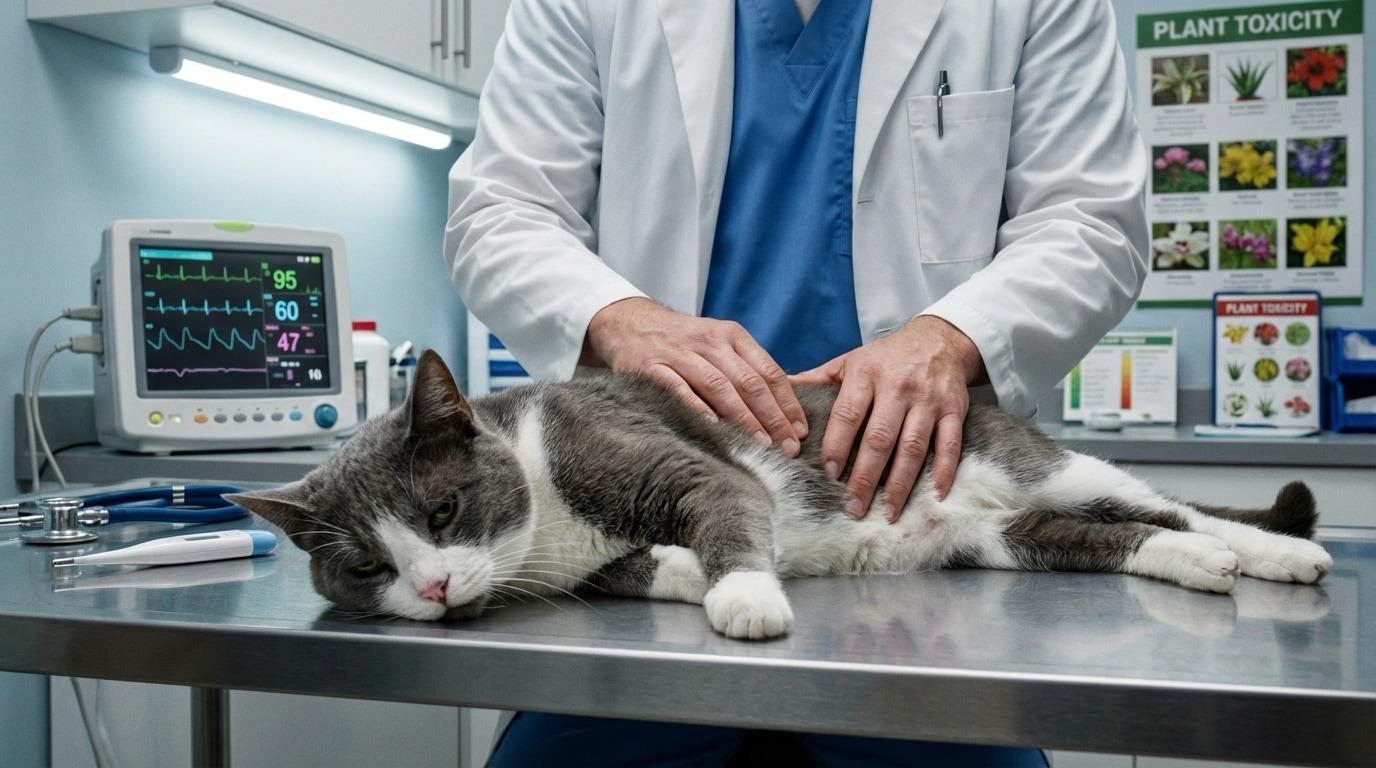
From immediate distress to delayed organ failure, the timeline of a poisoning depends on the chemistry of the toxin. These are the usual timeframes for common signs your pet has been poisoned, including poisoned dog symptoms and poisoned cat symptoms:
▸ Immediate to 1 hour: Household cleaners, bleach, ammonia, human medications (NSAIDs), and highly toxic foods (like grapes or xylitol) frequently cause a rapid onset of distress.
▸ 1 to 12 hours: Ingested chocolate, onions, garlic, or fertilizer usually takes a few hours to metabolize sufficiently to trigger vomiting, lethargy, or elevated heart rates.
▸ Several days: Rodenticides (rat/mouse poison) and heavy metals often have delayed pet poisoning symptoms. They can take anywhere from 2 to 5 days to show signs of internal bleeding or organ failure as they disrupt normal bodily functions over time.
▸ Long-term: Some poisons cause insidious liver or kidney failure that may not become clinically apparent for days, weeks, or even months.
⦿ Critical window for treatment: When a pet ingests a toxic substance, it generally takes about 2 hours for the material to pass from the stomach into the small intestine, where it’s absorbed into the bloodstream.
What to Do if You See Signs Your Pet Has Been Poisoned?

You should never try to treat a poisoning at home without professional advice, even if you know your pet ate something toxic. Instead, follow these steps to stabilize the situation and get help:
- Remove the source: Separate your pet from the suspected toxin. If it was inhaled, move them to fresh air; if it was on their skin, safely brush off dry chemicals.
- Identify the toxin: Quickly determine what your pet ingested, how much, and when. Grab the product packaging, pill bottle, or a plant sample if it’s safe to do so.
- DON’T induce vomiting in pets: Never try to make your pet vomit or administer home remedies (such as milk or salt) unless a veterinarian explicitly instructs you to do so. Doing this incorrectly can cause severe internal damage.
- Seek immediate help: Call your local vet, an emergency animal clinic, or a dedicated pet poison hotline. These services are available 24/7:
▸Jurupa Hills Animal Hospital (Fontana): (+1) 909-333-1565
▸ASPCA Animal Poison Control Center: (+1) 888-426-4435
▸Pet Poison Helpline: (+1) 855-764-7661
- Transport safely: If directed to bring your pet in, keep them as calm and comfortable as possible during the drive. Have the packaging ready to show the veterinary team.
How Does an Emergency Vet Fontana Diagnose and Treat Pet Poisoning?
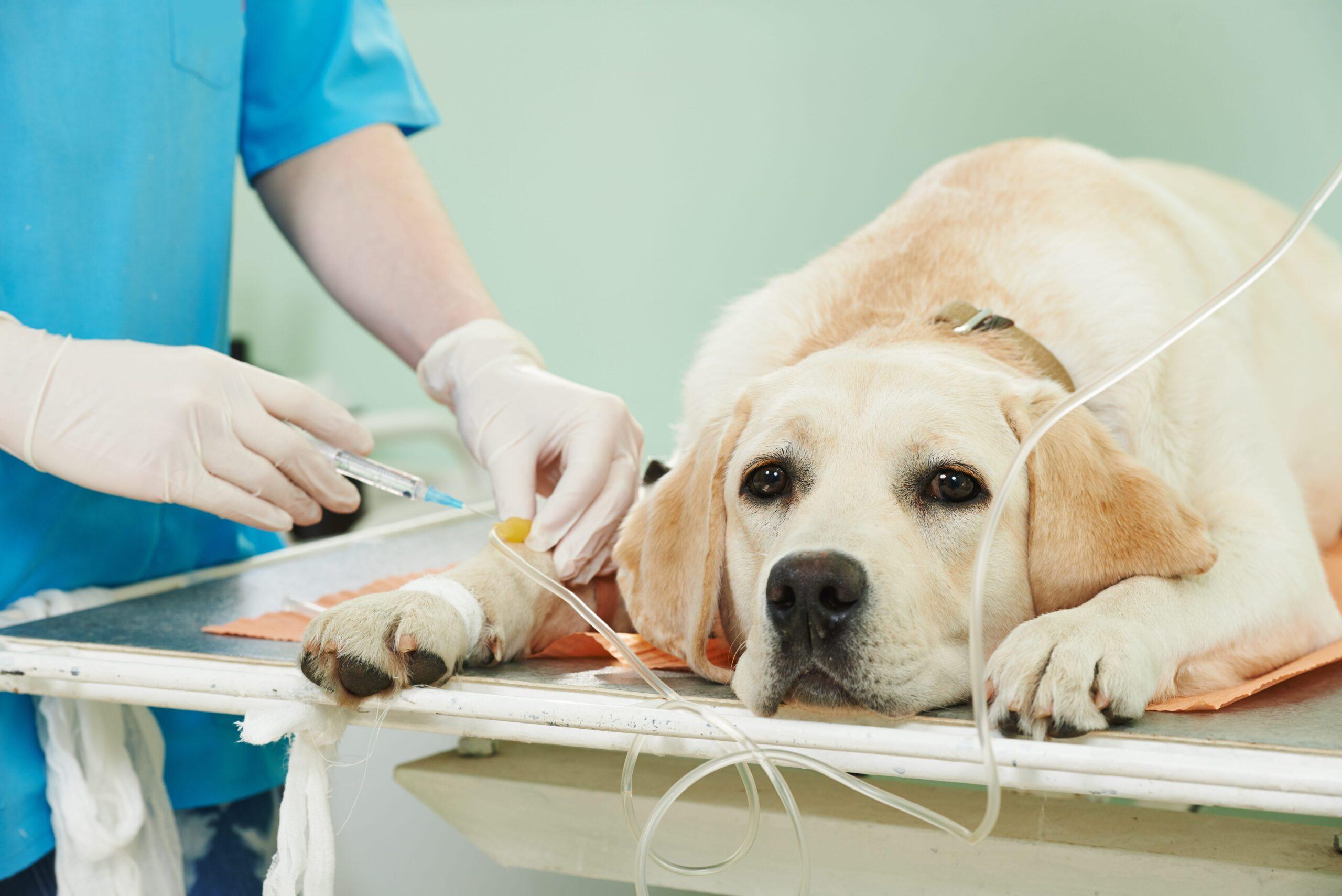
Treatment for a poisoning involves removing the toxin and supporting your pet’s body while it recovers. Here are the steps the emergency veterinary team at our animal hospital in Fontana, CA takes to help:
1. The diagnostic process
Identifying the toxin is the first step in providing the right care. Here’s how our diagnostic team handles poisoning cases:
(i) Triage and vitals: Vets first assess your pet’s vitals (heart rate, breathing, temperature) and stabilize them if they’re in distress.
(ii) History and identification: They’ll ask for details about the suspected toxin (e.g., medication, plants, chocolate, chemicals) and when it was ingested. Bring the packaging or a sample of the substance if it’s safe to do so.
(iii) Diagnostics: To evaluate organ function and the extent of the poisoning, vets run pet bloodwork, plasma tests, and urinalysis. Our team may use pet radiology solutions if we suspect a physical object was swallowed alongside a chemical toxin. In some cases, pet anesthesia is required to safely perform the X-rays.
2. Toxin removal and treatment
Once we know the cause, we move quickly to decontaminate your pet’s system. Here’s how our treatment process usually works:
(i) Decontamination: If the pet is brought in shortly after ingestion, the vet may induce vomiting or perform a gastric lavage (stomach wash). Activated charcoal is often given to bind residual toxins and prevent them from entering the bloodstream.
(ii) Supportive care: Vets administer intravenous (IV) fluids to flush toxins, support kidney function, and maintain hydration.
(iii) Antidotes and medications: Depending on the specific toxin, they’ll administer specialized antidotes (e.g., Vitamin K for rat poison) or anti-nausea and seizure medications.
How Can You Prevent Toxic Poisoning in Cats and Dogs at Home?
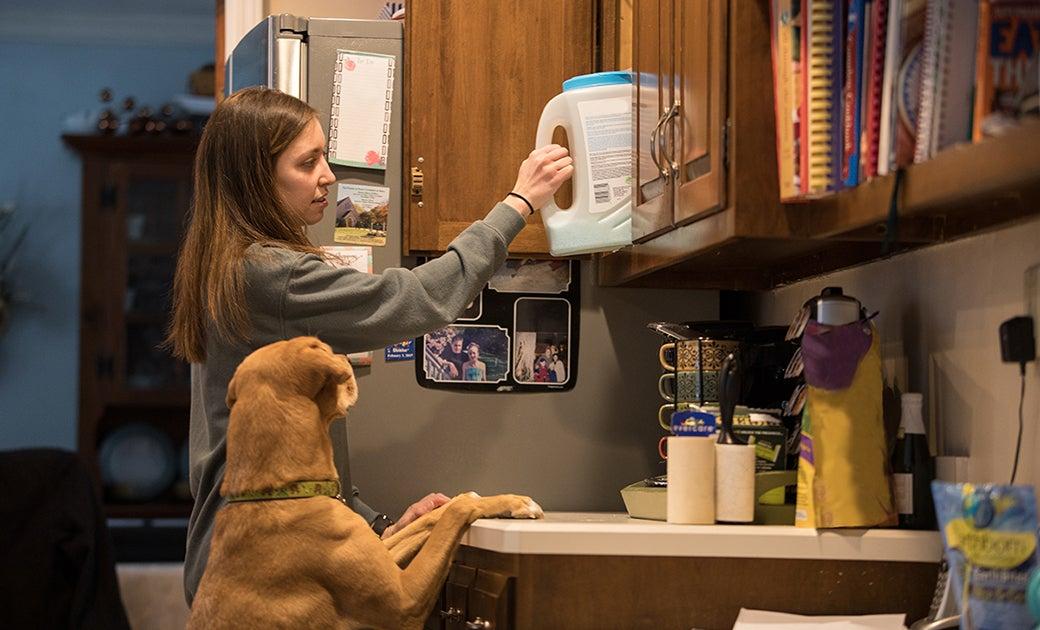
Preventing a crisis is much easier than treating one. By following a few basic safety rules, you can create a poison-free environment for your dog or cat:
1. Medicines and chemicals
Most accidental poisonings happen when pets find things they shouldn’t. Here is how to store your medicines and chemicals correctly:
(i) Human medications: Keep all prescriptions, vitamins, and over-the-counter pills (especially pain relievers and antidepressants) locked away. “Childproof” doesn’t mean “dog-proof”.
(ii) Cleaners and garage toxins: Secure laundry pods, bleach, and antifreeze behind locked doors. Clean up automotive spills immediately.
(iii) Pest poisons: Avoid using traditional rodenticides (mouse/rat poisons), as the toxins are incredibly harmful to pets and cause severe rat poison symptoms in dogs and cats.
2. Dangerous foods
A few simple changes in how you store food can save your pet’s life. Here are the best ways to prevent ingestion:
(i) Sugar substitutes: Xylitol (found in sugar-free gum, peanut butter, and baked goods) causes rapid liver failure in dogs.
(ii) Pantry staples: Never share chocolate, onions, garlic, grapes, raisins, or macadamia nuts with your pets.
(iii) Alcohol: Even small amounts of beer, wine, or liquor can cause severe poisoning.
3. Plants and flowers
You should always check the toxicity of a flower before bringing it home. These steps help you keep a safe garden:
(i) Lilies are lethal to cats: Avoid bringing any lilies into a cat household; even pollen is highly toxic and causes fatal kidney failure.
(ii) Outdoor/Indoor toxins: Check if common plants (like sago palms, azaleas, or philodendrons) are safe before bringing them home.
4. Smart storage
Keeping your home organized helps you notice if your pet has gotten into something. Here’s how to use smart storage:
(i) Trash bins: Use locking, heavy-duty trash cans to prevent pets from rummaging through food scraps, wrappers, and discarded medications.
(iii) Purse and pocket patrol: Never leave purses or coats with gum or breath mints on the floor where pets can chew through them.
Your Home Is Their World. Is It as Safe as You Think It Is?
Acting quickly is the key to helping a pet that has swallowed a toxic substance. In this guide, we explored how to know if your pet has been poisoned, household dangers, and the process of emergency care.
We suggest checking your pantry and garden today to remove any potential hazards. We also encourage you to keep a list of emergency numbers in a visible place for urgent pet care in Fontana.
Jurupa Hills Animal Hospital offers rapid emergency response and expert care for pets who have been exposed to poison. Our doctors are ready to handle these stressful situations with precision. Write to us here, schedule an appointment, or call us at (+1) 909-333-1565 to connect with us.
Frequently Asked Questions (FAQs)
Share This Article

Written by : Jurupa Hills Animal Hospital
Jurupa Hills Animal Hospital is proud to serve the Fontana, CA area for everything pet-related. Our veterinary clinic and animal hospital is run by Dr. Avtar Gill, who is a licensed, experienced Fontana veterinarian. Our team is committed to educating our clients on how to keep your pets healthy year round, with good nutrition and exercise. Jurupa Hills Animal Hospital stays on top of the latest advances in veterinary technology and above all, remembers that all animals and pets need to be treated with loving care in every check-up, procedure, or surgery.
All Categories
- Pet Allergies
- Pet Dental
- Pet Euthanasia
- Pet Microchipping
- Pet Parasite
- Pet Routine Checkup
- Pet Surgery
- Pet Vaccination
- Spaying and Neutering