Share This Article
Increased thirst in dogs can result from heat, exercise, diet changes, salty foods, medications, or behavioral habits. Persistent excessive drinking may also signal kidney disease, diabetes, infections, liver problems, Cushing’s disease, or Addison’s disease. Sudden changes, especially with weakness, vomiting, breathing problems, or other warning signs, need veterinary attention promptly.
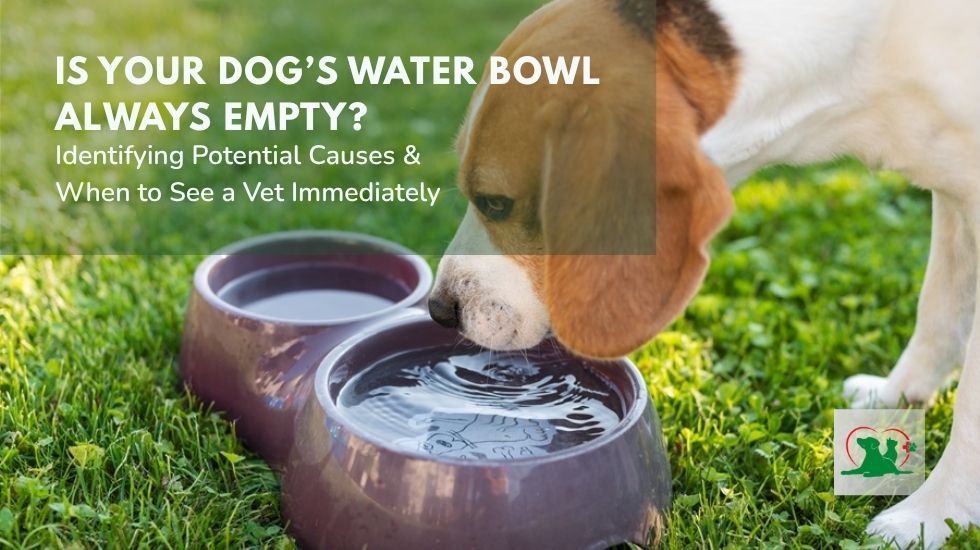
Does it feel like your dog is spending more time at the water bowl than anywhere else lately? Watching your pet gulp down water can be confusing, especially if their daily routine hasn’t changed. While thirst is often normal, it can also point to underlying health issues that need your attention very soon.
In this guide, we’ll explore the various factors that’ll answer your question, “Why is my dog drinking so much water”? You’ll also learn about the warning signs of serious illness and how preventive care makes a big difference for your pet.
Key Takeaways
- A dog’s water intake naturally varies based on diet, activity level, weather, and life stage, but sudden or persistent increases should be monitored closely.
- Excessive thirst can result from non-medical causes like heat, exercise, salty foods, medications, or behavioral habits.
- Chronic increased drinking may indicate serious conditions such as kidney disease, diabetes, urinary tract infections, Cushing’s disease, Addison’s disease, or liver problems.
- Emergency signs, including seizures, breathing difficulties, severe lethargy, bloating, dehydration, or persistent vomiting, require immediate veterinary attention.
- Routine wellness exams, bloodwork, urinalysis, and preventive care help detect the underlying causes of your dog drinking excessive water before they become serious.
How Much Water Should a Dog Drink Normally?
As a general rule, a dog should normally drink about 1 ounce of water per pound of body weight daily. This baseline is often monitored through pet preventive care services.
However, “normal” intake isn’t a one-size-fits-all number for any dog drinking more water than usual. Several everyday factors will naturally change how much water your dog needs:
- Diet: Dogs eating primarily wet or canned food will drink less water from their bowls because they’re getting hydration directly from the food. Dogs eating dry kibble will need to drink more.
- Activity and weather: Active dogs, or those living in hot/humid climates, may need up to double their usual intake to compensate for moisture lost through panting.
- Life stage: Puppies generally drink more water per pound than adult dogs due to their rapid growth and higher metabolisms.
What Are Common Non-Medical Causes for Increased Thirst in Dogs?
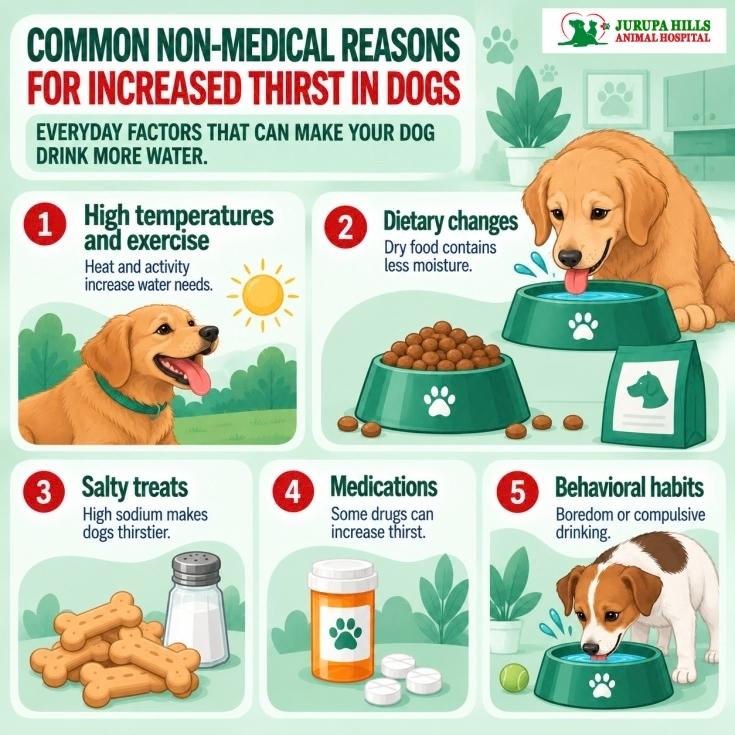
If you’re wondering, “Why is my dog drinking so much water?”, everyday events can send your dog straight to the water bowl more often than usual. These non-medical triggers are very common and often relate to the weather, their activity levels, or even their personality:
- High temperatures and exercise: Just like humans, you may find your dog drinking a lot of water to cool down when the weather is hot or after strenuous activity.
- Dietary changes: Switching to a dry kibble (which contains very little moisture) from a wet or raw diet can cause a noticeable increase in water bowl visits.
- Salty treats: Eating foods with high sodium content will naturally make your dog thirstier.
- Medications: Certain drugs, particularly corticosteroids (like prednisone) used for allergies or inflammation, frequently cause increased thirst and urination as a side effect.
- Behavioral habits: Some dogs develop compulsive or boredom-driven drinking habits.
Which Medical Conditions Cause Excessive Thirst in Dogs?
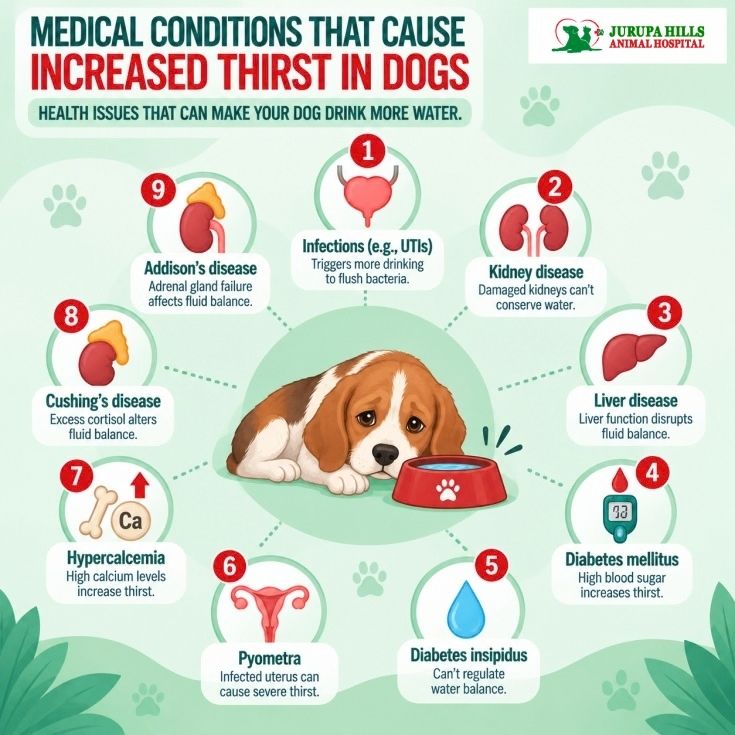
You might observe your dog drinking more water than usual because their body is trying to flush out toxins or balance out a hormonal change. Thirst can be a major red flag if your pet has eaten something toxic. However, the following medical conditions are common reasons why your dog’s water habits suddenly shift:
- Infections (e.g., UTIs): Inflammation or bacterial infections in the urinary tract can make your dog drink more to flush out bacteria.
- Kidney disease (chronic or acute): Damaged kidneys lose the ability to filter waste and conserve water effectively, resulting in your dog drinking lots of water and urinating frequently.
- Liver disease: Impaired liver function disrupts the body’s metabolism and ability to properly manage fluid levels and hormones.
- Diabetes mellitus: Excess glucose in the bloodstream draws water out of body tissues. This is why a diabetic pet may become a dog drinking too much water.
- Diabetes insipidus: A rare condition (distinct from sugar diabetes) where the pituitary gland or kidneys fail to regulate antidiuretic hormone (ADH), causing massive water intake and dilute urine.
- Pyometra: A life-threatening, infected uterus that causes severe dehydration and fever. This often highlights the importance of spaying and neutering.
- Hypercalcemia: Elevated calcium levels in the blood, which can be tied to underlying issues like cancer or hyperparathyroidism.
- Cushing’s disease (hyperadrenocorticism): A hormonal disorder caused by the overproduction of cortisol in the body, which alters fluid balance.
- Addison’s disease (hypoadrenocorticism): An adrenal gland failure that can cause imbalances in electrolytes and fluid, making pet parents wonder, “Why is my dog thirsty all the time?”
When to Worry About Excessive Water Consumption in Dogs?
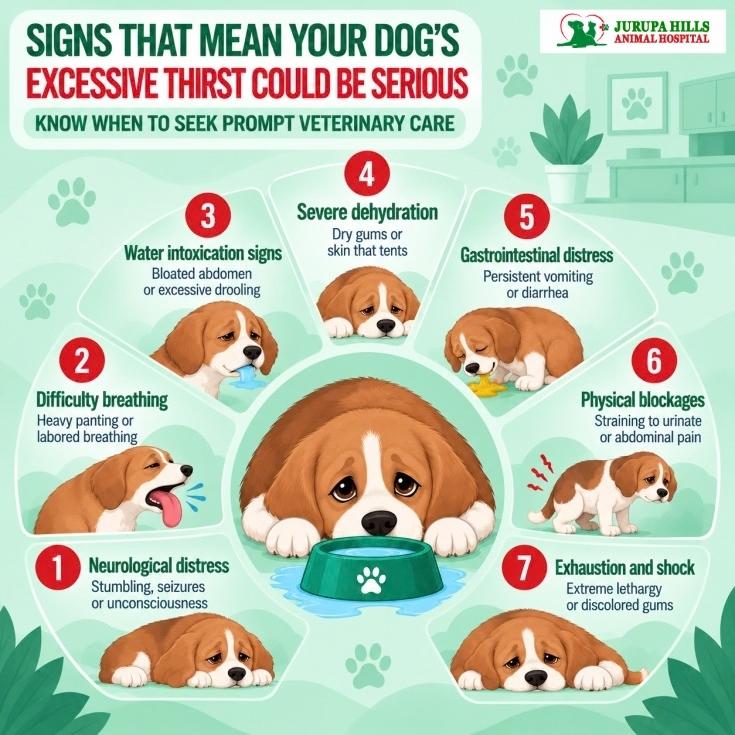
Emergency situations often start with subtle changes that quickly become severe. If you constantly see your dog drinking more water than usual while also acting strange or appearing weak, you should treat the situation as an urgent matter. Watch for these warning signs:
- Neurological distress: Loss of coordination (stumbling or staggering), seizures, convulsions, dilated pupils, or unconsciousness.
- Difficulty breathing: Heavy panting without exercise/heat, or labored breathing.
- Water intoxication signs: Bloated abdomen, excessive drooling, pale gums, and heavy, distressed breathing, which can happen if they ingest too much water quickly (e.g., while swimming).
- Severe dehydration: Sticky or dry gums, ropy saliva, and skin that “tents” when pinched (meaning it takes several seconds to snap back into place).
- Gastrointestinal distress: Persistent vomiting, diarrhea, or a noticeably swollen/bloated abdomen.
- Physical blockages: Straining to urinate, or crying out in pain when touching the abdomen.
- Exhaustion and shock: Sudden, extreme lethargy or pale, bluish, or bright red gums.
Can Leptospirosis in Southern California Cause Increased Thirst in Dogs?
Leptospirosis is a leading cause of dogs’ kidney and liver damage across Ontario (Southern California), and increased thirst (polydipsia) is one of its most common clinical signs.
The bacteria thrive in warm, moist environments and are frequently spread by local wildlife like raccoons, skunks, and rodents. However, the disease is often preventable with regular dog vaccination services.
Why does Leptospirosis cause increased thirst in dogs in Ontario?
When the Leptospira bacteria enter a dog’s system, they primarily target the liver and kidneys. If the kidneys begin to fail, the body can’t properly reabsorb water. This results in the kidneys dumping excess water into the urine. Due to this, you might notice your dog drinking more water than usual to keep up with the fluid loss.
Other symptoms to watch for:
Because of its effect on the kidneys and liver, Leptospirosis can cause a wide variety of symptoms. Look out for:
(i) Increased urination (or a sudden decrease in urination in severe kidney failure)
(ii) Fever and lethargy
(iii) Vomiting, diarrhea, and a sudden loss of appetite
(iv) Muscle or joint stiffness (reluctance to move)
(v) Dehydration
(vi) Jaundice (yellowing of the skin, gums, or whites of the eyes)
⦿ Leptospirosis is a serious, potentially fatal disease that can also be transmitted to humans (zoonotic). If your dog is exhibiting excessive thirst alongside any of the other symptoms listed above, you should contact Jurupa Hills Animal Hospital immediately to discuss emergency care and the importance of pet vaccinations.
How Do Routine Preventive Care Services Help Prevent Polydipsia in Dogs?
Pet routine checkups are important to help prevent and manage polydipsia (excessive thirst) in dogs by catching the underlying medical conditions that cause it early. It allows veterinarians to catch over 30 systemic diseases that manifest with excessive thirst. Here’s how routine care services directly address the causes:
- Catching endocrine diseases early: Wellness blood panels can identify hormonal imbalances before they escalate. Conditions like Diabetes Mellitus, Cushing’s disease, and Addison’s disease are leading causes of excessive thirst and urination.
Early detection allows for targeted treatments, such as insulin therapy or hormone regulation. This elimines the root cause of the polydipsia.
- Monitoring organ function: Annual or semi-annual blood chemistry profiles assess kidney and liver function. If chronic kidney disease is caught in its earliest stages, vets can prescribe renal diets and medications to support kidney function. This helps the kidneys concentrate urine normally.
- Identifying infections: A routine urinalysis detects issues like urinary tract infections (UTIs) or pyometra (a life-threatening uterine infection). This frequently cause a compensatory increase in a dog’s water intake.
- Establishing baseline health data: Regular check-ups help your vet track changes in your dog’s weight, blood pressure, and blood sugar (glucose) levels over time. This helps to identify dog excessive thirst causes.
What Happens During a Vet Visit at Jurupa Hills Animal Hospital for Increased Thirst in Dogs?
When you bring your dog to Jurupa Hills Animal Hospital to understand “Why is my dog drinking so much water?”, you can expect a clear, professional process. We combine our pet care services, clinical experience, and advanced testing to give you a complete picture of your dog’s health:
- Initial consultation and history: Before starting pet wellness exams, the veterinary team will discuss your dog’s habits. You can prepare your pet for the vet visit with the following information:
▸ How much water your dog is consuming daily.
▸ Any recent changes in urination (e.g., accidents inside, waking up at night).
▸ Changes in appetite, weight, or energy levels.
▸ Your dog’s diet, treats, and any medications they’re taking.
- Comprehensive physical examination: The vet will perform a full nose-to-tail checkup. They’ll specifically check:
▸ Hydration status and skin elasticity.
▸ Body weight and muscle condition.
▸ Vital signs (heart rate, temperature, and respiration).
▸ Organs, eyes, and mouth for signs of infection or disease.
- Diagnostic laboratory testing: Because increased thirst is a symptom rather than a single disease, the vet will likely recommend pet bloodwork and urine testing to identify the cause:
▸ Urinalysis: Tests urine concentration and checks for sugar, protein, or bacteria, which can flag issues like kidney disease or urinary tract infections.
▸ Complete Blood Count (CBC): Evaluates overall health and checks for signs of infection or inflammation.
▸ Blood serum chemistry: Assesses how well your dog’s liver and kidneys are functioning, and measures blood glucose levels to screen for diabetes.
- Further diagnostics (if needed): If the initial blood and urine tests don’t provide a clear answer, the vet may recommend additional diagnostics, such as:
▸ Hormonal testing: To check for endocrine disorders like Cushing’s disease or Addison’s disease.
▸ Imaging: Digital X-rays for pets or ultrasounds to visualize the liver, kidneys, and adrenal glands.
Is Your Dog Due for a Preventive Health Screening?
Most dogs drink one ounce of water per pound daily. While diet and heat cause temporary thirst, chronic drinking can signal diabetes, kidney issues, or infections. Always watch for sudden changes in behavior or bathroom habits. Early detection is the best way to keep your dog healthy and active.
Jurupa Hills Animal Hospital offers professional diagnostic services to find the exact cause of your dog’s thirst. Our team provides the expert guidance and medical tests needed to manage your dog’s hydration. Write to us here, schedule an appointment, or call (+1) 909-333-1565 to schedule a checkup for your thirsty dog.
Frequently Asked Questions (FAQs)
Share This Article

Written by : Jurupa Hills Animal Hospital
Jurupa Hills Animal Hospital is proud to serve the Fontana, CA area for everything pet-related. Our veterinary clinic and animal hospital is run by Dr. Avtar Gill, who is a licensed, experienced Fontana veterinarian. Our team is committed to educating our clients on how to keep your pets healthy year round, with good nutrition and exercise. Jurupa Hills Animal Hospital stays on top of the latest advances in veterinary technology and above all, remembers that all animals and pets need to be treated with loving care in every check-up, procedure, or surgery.
All Categories
- Pet Allergies
- Pet Dental
- Pet Euthanasia
- Pet Microchipping
- Pet Parasite
- Pet Routine Checkup
- Pet Surgery
- Pet Vaccination
- Spaying and Neutering