Share This Article
Dogs may need surgery when an illness, injury, or structural problem can’t heal with medication or rest alone. Persistent pain, difficulty walking, swallowing objects, severe wounds, growing lumps, or internal problems often require surgical treatment. Only a veterinarian can determine whether your dog needs surgery after a physical examination and diagnostic testing.
- Key Takeaways
- How Do Veterinarians Decide Whether Your Dog Needs Surgery?
- 8 Signs Your Dog Needs Surgery
- Does Every Pet With These Symptoms Need Dog Surgery in Fontana?
- What Conditions Commonly Require Veterinary Surgery for Dogs?
- When Poisoning Requires Surgery: Common Emergency Situations
- What Happens During Your Consultation With a Veterinary Surgeon in Fontana?
- When Should You Seek Emergency Pet Care in Fontana?
- Not Sure If Your Dog Needs Surgery? Let Jurupa Hills Animal Hospital Help!
Some of the most serious health problems in dogs begin with symptoms that seem easy to overlook. A small lump, mild limping, or occasional vomiting may not seem urgent, but these changes can sometimes point to conditions that require canine surgery.
Acting early gives your veterinarian more treatment options and may improve your dog’s recovery. Dogs also instinctively hide pain, making regular observation even more important.
In this blog, you’ll learn the pet health warning signs that may indicate your dog needs surgery, how veterinarians decide if surgery is necessary, conditions that commonly require surgical treatment, poisoning emergencies that may lead to surgery, what happens during a surgical consultation, and when emergency veterinary care can’t wait.
Key Takeaways
➤ Persistent pain, severe limping, growing lumps, and repeated vomiting may mean your dog needs surgery.
➤ Veterinarians use exams, bloodwork, and imaging to decide if surgery is the safest treatment option.
➤ Many conditions improve without surgery, so every dog needs an accurate diagnosis before treatment begins.
➤ Emergency signs like trouble breathing, collapse, or a swollen abdomen in a dog need immediate veterinary care.
➤ Early evaluation helps protect your pet’s health and supports a smoother dog surgery recovery.
How Do Veterinarians Decide Whether Your Dog Needs Surgery?
Veterinarians don’t recommend pet surgery services based on symptoms alone. They carefully evaluate your dog’s condition before making a treatment plan. This decision usually includes:
- Physical examination to identify pain, swelling, injuries, or abnormal findings.
- Medical history review to understand symptoms, past illnesses, and current medications.
- Pet bloodwork to check organ function and determine anesthesia safety.
- Digital X-rays or ultrasound to diagnose fractures, tumors, foreign objects, or internal problems.
- Overall health assessment that considers age, existing medical conditions, and recovery potential.
- Treatment comparison to determine whether surgery offers better results than medication or other therapies.
Surgery is recommended only when it provides the safest and most effective option for your dog’s health.
8 Signs Your Dog Needs Surgery
Dogs often hide pain, which makes serious health problems easy to miss. Recognizing important dog surgery symptoms early gives your veterinarian the best opportunity to diagnose the condition and recommend the safest treatment before it progresses further.
1. Persistent pain that doesn’t improve
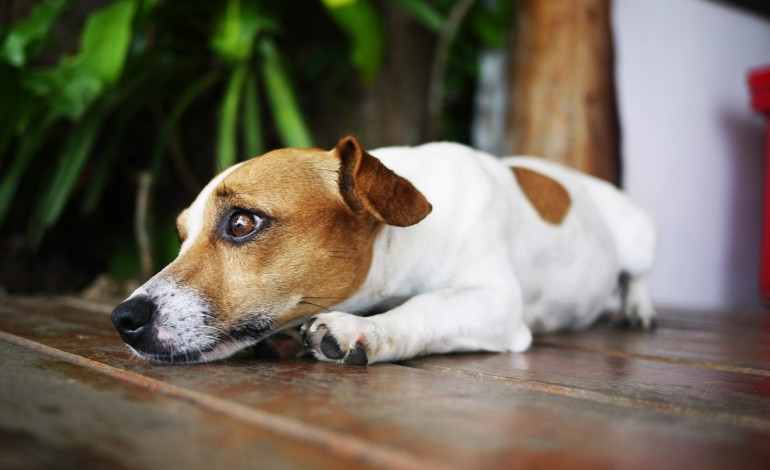
Pain that lasts for several days or returns after medication deserves veterinary attention. Your dog may avoid stairs, cry when touched, or struggle to stand comfortably. When pain doesn’t improve with conservative treatment, surgery may be the safest way to restore comfort and improve mobility.
2. Difficulty walking or severe limping
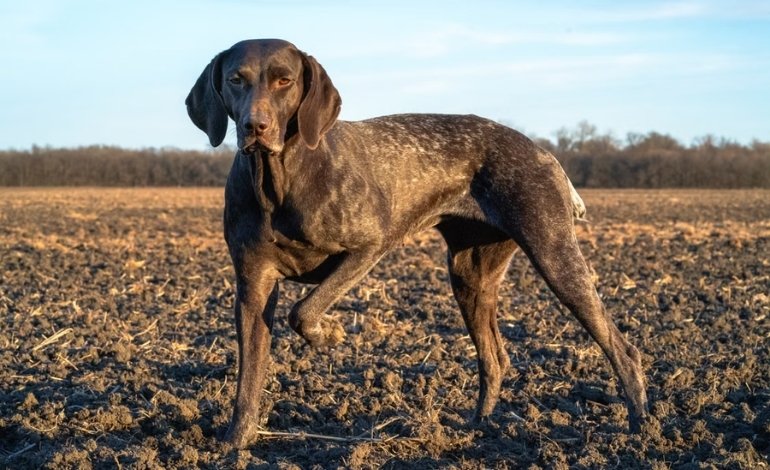
A mild limping dog may improve with rest, but severe, persistent trouble walking in a dog should never be ignored. Ligament tears, joint injuries, and complex fractures often require surgical repair to restore stability and reduce long-term joint damage. Your veterinarian will confirm the diagnosis using a pet wellness exam and imaging.
3. Large or fast-growing lumps
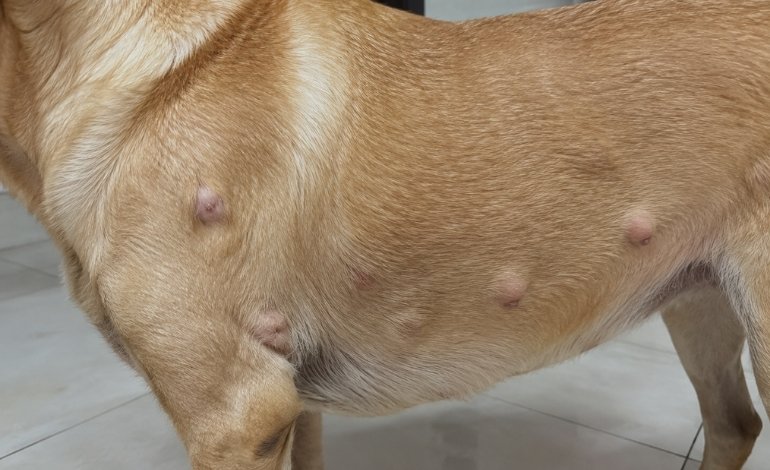
Not every lump is cancerous, but every new or rapidly growing mass should be examined promptly. Your vet may recommend a biopsy or surgical removal after diagnostic testing. Early tumor removal surgery for dogs often improves treatment options and may reduce the risk of further spread.
4. Repeated vomiting or a bloated abdomen
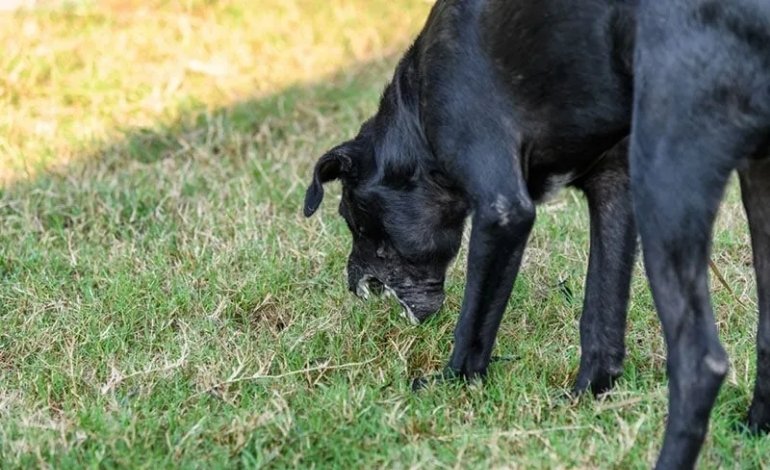
Repeated vomiting in dogs, especially with abdominal swelling or unsuccessful retching, may indicate gastric bloat or intestinal blockage symptoms in dogs. These conditions can become life-threatening without prompt treatment. Emergency abdominal surgery in dogs is often needed to remove the blockage or correct the underlying problem.
5. Deep wounds or heavy bleeding

Deep bite wounds, severe cuts, or excessive bleeding in dogs require immediate veterinary care. Surgery may be needed to repair damaged tissue, stop bleeding, and remove contaminated or dead tissue. Prompt treatment also lowers the risk of infection and supports better healing after injury.
6. Broken bones after trauma
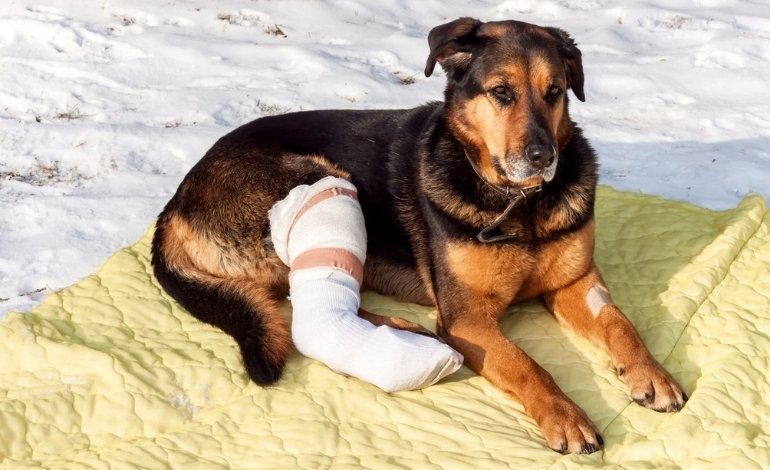
Falls, vehicle accidents, and other serious injuries can cause fractures that need surgical stabilization. Without proper repair, a broken bone in a dog may heal incorrectly and affect your pet’s movement. Your emergency animal hospital will use pet digital X-rays to assess the injury and recommend the most appropriate treatment.
7. Difficulty urinating or passing stool
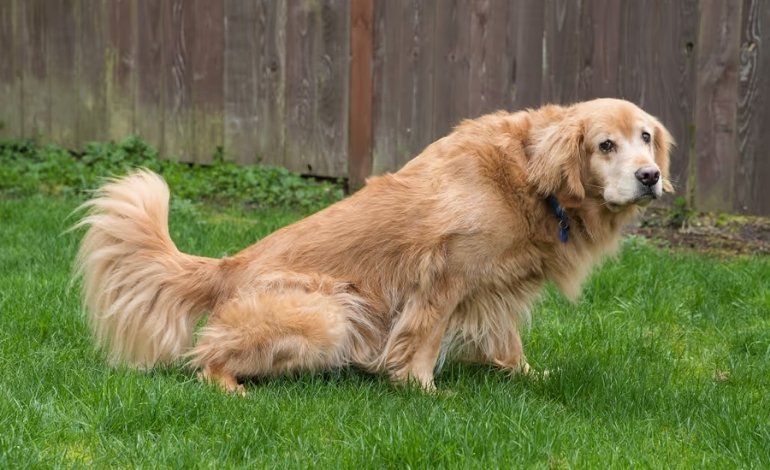
Straining without producing urine or stool is always a medical emergency. Urinary blockages and certain intestinal conditions can quickly damage internal organs if left untreated. Depending on the cause, your veterinarian may recommend emergency surgery to relieve the obstruction and protect your dog’s health.
8. Severe dental disease

Advanced dental disease can cause painful infections, loose teeth, and result in your dog not eating. When the damage is severe, your vet may recommend dental surgery to remove affected teeth and treat infected tissue. This helps with pet pain management, improves oral health, and aids in protecting your dog’s overall well-being.
Does Every Pet With These Symptoms Need Dog Surgery in Fontana?
No. Many dogs recover with medication, rest, rehabilitation, or weight management instead of surgery. Your veterinarian will diagnose the underlying condition before recommending treatment. Surgery is considered only when it offers the safest and most effective solution or when delaying care could put your dog’s health at risk.
What Conditions Commonly Require Veterinary Surgery for Dogs?
Some medical conditions respond well to medication, while others need surgery to protect your dog’s health and quality of life. Your vet hospital in Fontana will recommend the most appropriate treatment after a thorough examination and diagnostic testing.
| Condition | Possible Surgery |
| Torn cranial cruciate ligament (CCL) | Dog TPLO surgery or other orthopedic repair |
| Broken bone (fracture) | Fracture stabilization |
| Intestinal blockage | Foreign body removal surgery |
| Bladder stones | Bladder stone removal |
| Tumor or suspicious mass | Surgical mass removal or biopsy |
| Advanced dental disease | Pet tooth extraction |
| Pyometra (uterine infection) | Emergency spay surgery |
When Poisoning Requires Surgery: Common Emergency Situations
Most cases with dog poisoning symptoms can be treated without surgery, but certain toxic exposures become surgical emergencies. Quick veterinary care is essential because delaying emergency treatment for a poisoned dog can increase the risk of severe complications.
- Battery ingestion: Batteries can cause chemical burns, intestinal blockage, or tissue damage that may require emergency surgical removal.
- Caustic chemicals: Strong acids, alkalis, or household cleaners can severely damage the digestive tract. Surgery may be needed if your dog ate poison like this and a perforation develops.
- Expanding substances: Products such as expanding polyurethane glue can swell inside the stomach and create a life-threatening blockage that often requires surgery.
- Toxic foreign objects: Sharp or poisonous items that become lodged in the stomach or intestines may need surgical removal to prevent internal injury.
What Happens During Your Consultation With a Veterinary Surgeon in Fontana?
Your dog’s surgical consultation is an important step in diagnosing the problem, determining whether surgery is necessary, and preparing your pet for surgery. During the visit, you can expect:
- A thorough physical examination and review of your dog’s medical history.
- Bloodwork and imaging, if needed, to confirm the diagnosis.
- A discussion about whether surgery is the best treatment option.
- An explanation of the procedure, pet anesthesia, possible risks, and expected recovery.
- A chance to ask questions about aftercare, medications, and follow-up visits before scheduling surgery.
When Should You Seek Emergency Pet Care in Fontana?
Seek immediate veterinary care if your dog has difficulty breathing, repeated vomiting, a swollen abdomen, uncontrolled bleeding, a broken bone, trouble urinating, or collapses suddenly. These symptoms can quickly become life-threatening and may require emergency dog surgery. Prompt treatment gives your dog the best chance of a safe recovery.
Not Sure If Your Dog Needs Surgery? Let Jurupa Hills Animal Hospital Help!
Recognizing the warning signs of a surgical condition can help you act before your dog’s health worsens. Persistent pain, severe limping, repeated vomiting, growing lumps, and other serious symptoms should never be ignored. A timely veterinary examination ensures your dog receives the most appropriate treatment for the best possible outcome.
At Jurupa Hills Animal Hospital in Fontana, our experienced veterinary team provides comprehensive evaluations, advanced diagnostic testing, and personalized surgical treatment for dogs to keep your pet safe before, during, and after every procedure.
Write to us here, schedule an appointment, or call (+1) 909-333-1565 to have your dog’s condition evaluated by our experienced veterinary team.
Frequently Asked Questions (FAQs)
Share This Article

Written by : Jurupa Hills Animal Hospital
Jurupa Hills Animal Hospital is proud to serve the Fontana, CA area for everything pet-related. Our veterinary clinic and animal hospital is run by Dr. Avtar Gill, who is a licensed, experienced Fontana veterinarian. Our team is committed to educating our clients on how to keep your pets healthy year round, with good nutrition and exercise. Jurupa Hills Animal Hospital stays on top of the latest advances in veterinary technology and above all, remembers that all animals and pets need to be treated with loving care in every check-up, procedure, or surgery.
All Categories
- Pet Allergies
- Pet Dental
- Pet Euthanasia
- Pet Microchipping
- Pet Parasite
- Pet Routine Checkup
- Pet Surgery
- Pet Vaccination
- Spaying and Neutering