
Share This Article
The importance of routine checkups for pets lies in detecting hidden health problems before noticeable symptoms develop. Wellness exams include physical assessments, diagnostic testing, vaccinations, and parasite screening based on your pet's needs. Routine visits also support personalized preventive care throughout every stage of your pet's life.
- Key Takeaways
- What Is a Routine Pet Wellness Exam?
- Why Routine Checkup for Pets Matter?
- Puppy and Kitten Checkup Schedule: How Often Your Pet Needs to See the Vet
- Pet Wellness Visit Checklist to Prepare for Your Dog or Cat’s Next Checkup
- Protect Your Furry Family With Preventive Vet Care!
- Frequently Asked Questions
One year of your life is like seven years for your dog or cat, so their health can change very quickly. Your pet can’t tell you if their kidneys are starting to fail. They’re experts at hiding pain because their instincts tell them to stay strong, so a routine checkup is the only way to see what they can’t say.
In this blog, you’ll explore the importance of routine checkups for pets and what your vet looks for during a visit. You’ll find a breakdown of common medical tests and the right schedule for every life stage. We also shared a checklist to make your next visit easy. Learn how to stay ahead of health problems and keep your furry family member by your side for years.
Key Takeaways
-
Routine wellness checkups help detect hidden health conditions early. This allows treatment to begin before diseases become more serious and expensive to manage.
- A complete wellness exam includes physical assessments, dental checks, heart and lung evaluation, weight monitoring, and parasite screening to build a clear health baseline.
- Diagnostic tests such as bloodwork, urinalysis, fecal examinations, heartworm testing, and imaging help identify health issues that may not show visible symptoms.
- Puppies and kittens require frequent checkups, healthy adults should be examined annually, and senior pets benefit from wellness exams every six months.
- Preparing medical records, health observations, stool samples, and questions before each appointment helps your veterinarian provide the most effective preventive care.
What Is a Routine Pet Wellness Exam?
A pet wellness exam is a complete physical check for your pet when they seem healthy. We look at every part of your pet and then notice small changes that might happen over the next year. This emphasizes the importance of routine checkups for pets.
The components of a regular wellness exam:
When you bring your pet in for a routine visit, the vet follows a specific process to evaluate their overall health. This head-to-tail assessment ensures that nothing is missed.
This visit helps us create a baseline for your pet’s normal health and shows you exactly what happens during a pet checkup.
- We check your pet’s body weight and their general body condition.
- Our team looks at the teeth and gums for signs of decay. We do explain the importance of pet dental care during this check.
- We test the eyes and ears for any redness or infections.
- The vet listens to the heart and lungs for any strange sounds.
- We feel the joints and muscles to check for pain or stiffness.
- Our staff checks the skin and coat for lumps or parasites.
Common pet diagnostic tests used:
Sometimes a physical exam alone can’t tell the whole story. Diagnostic tests allow the vet to see what is happening inside your pet’s body and catch issues that aren’t visible yet. These are the most common screenings used:
1. Complete Blood Count (CBC): This test checks blood cells to find signs of infection or anemia.
2. Blood Chemistry Profile: These results show if the liver and kidneys are working correctly now.
3. Urinalysis: We test the urine to look for sugar or signs of kidney issues.
4. Fecal examination: Our team looks for microscopic worms that live in your pet’s gut.
5. Heartworm testing: This quick blood test looks for parasites that mosquitoes spread to pets. It’s vital to prevent heartworm in cats and dogs.
6. Thyroid testing: This test checks if your pet has the right amount of energy.
7. Physical examination components: The vet checks your pet’s body for lumps, pain, or strange sounds.
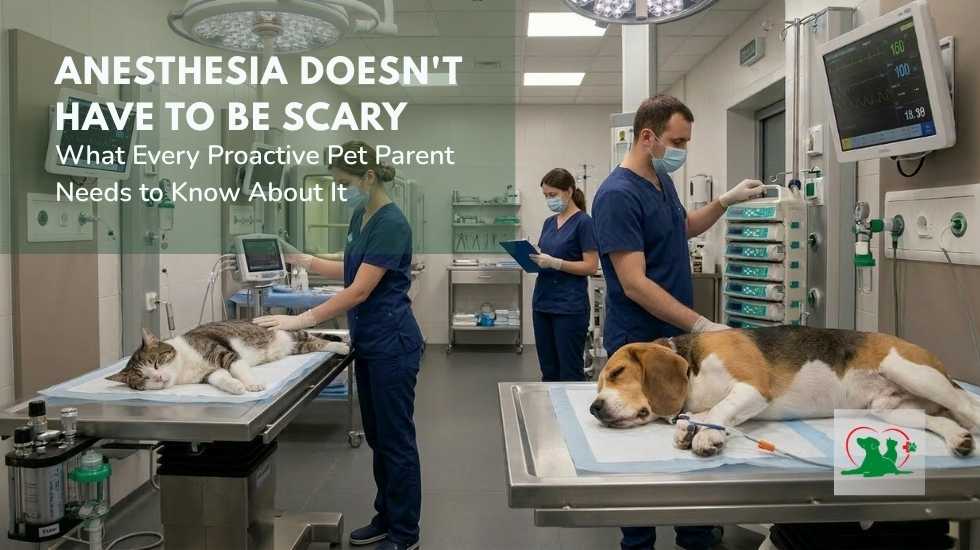
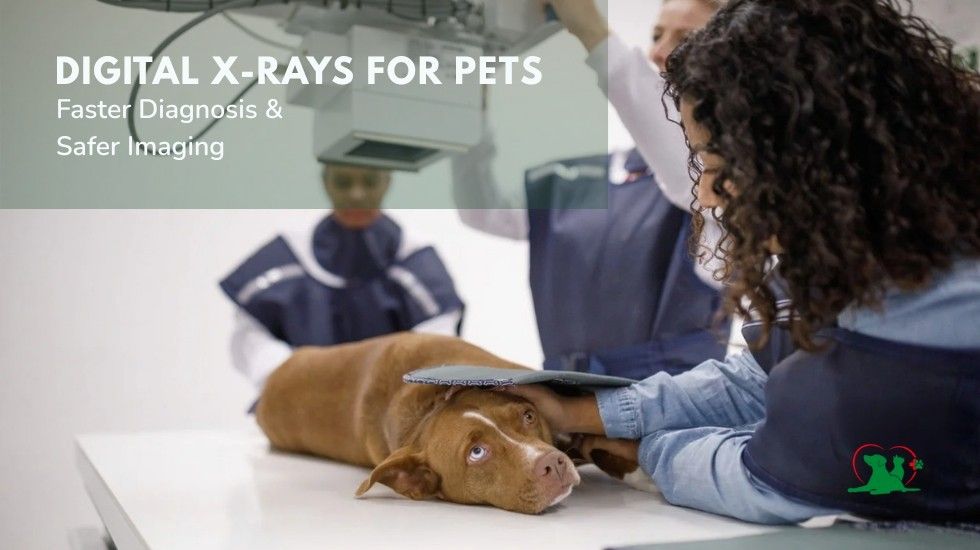
8. Imaging (X-rays/ultrasound): These tools let us see the heart and other organs inside the body. For some deep tests, we might discuss pet anesthesia to keep your pet comfortable.
Why Routine Checkup for Pets Matter?
Many of the most serious health issues in dogs and cats start with very small changes that only a vet can spot, often acting as the earliest signs your pet needs a vet. The following key reasons show the importance of routine checkups for pets:
1. Early disease detection: Pets can’t communicate when something is wrong. Routine exams, including pet bloodwork, help detect kidney disease, diabetes, or cancer before symptoms become severe.
2. Preventive health care: Vets can administer pet vaccination services and provide parasite prevention for fleas, ticks, and heartworms to prevent illnesses before they start.
3. Weight and nutritional guidance: A checkup allows for tracking weight changes to prevent obesity-related issues such as arthritis or diabetes.
4. Dental care monitoring: Regular checks prevent dental diseases, which can lead to tooth loss or infections.
5. Behavioral advice: These visits allow you to discuss behavioral issues (like anxiety or aggression) that could indicate underlying physical health problems.
6. Establishing a health baseline: Regular exams establish what is “normal” for your pet, making it easier for your veterinarian to identify when changes occur.
7. Cost-effective management: Detecting diseases in their early stages avoids more expensive treatments that come with advanced, severe conditions.
Puppy and Kitten Checkup Schedule: How Often Your Pet Needs to See the Vet
Your pet’s health needs change as they grow from a puppy to a senior, which often leaves owners wondering, “When to see a vet for my pet?” Following a schedule helps us provide the right care at the right time and helps you understand the importance of routine checkups for pets yourself.
- Puppies and kittens: Young pets need visits every three weeks until they reach sixteen weeks. We’ll help you understand the importance of pet vaccines during this phase.
- Adult pets: Healthy adult dogs and cats should see the vet once every year.
- Senior pets: Pets over seven years old need a checkup every six months for safety. We run extra senior pet wellness exam to check their thyroid and blood chemistry.
Pet Wellness Visit Checklist to Prepare for Your Dog or Cat’s Next Checkup
A little bit of preparation goes a long way toward making your pet’s vet visit productive and stress-free, especially when you consider the importance of routine checkups for pets. You should prepare your pet for the vet visit using this checklist:
Key preparation steps
- Documentation: Bring previous medical records, vaccination history, and a list of current medications, supplements, and food brands.
- Health log: Note any changes in appetite, water consumption, bathroom habits, or energy levels.
- Questions: Write down concerns about behavior, lumps, or diet to discuss.
- Stool sample: Bring a fresh stool sample (ideally less than 12 hours old) for parasite testing.
- Fasting: If blood work is planned, withhold food for 8–12 hours prior to the visit.
Reducing pet stress
- Carrier training: Leave carriers out at home with blankets and treats to make them familiar.
- Positive reinforcement: Bring high-value treats and a familiar blanket or toy to the clinic/hospital.
- Handling practice: Gently touch your pet’s ears, paws, and mouth at home to prepare them for the exam.
- Pre-visit: Consider a “dry run” visit to the clinic for treats without the stress of an exam.
During and after the visit
- Communication: Be honest about your budget and lifestyle.
- Post-visit: Monitor your pet for any adverse reactions to vaccines and follow up on any medication instructions.
Protect Your Furry Family With Preventive Vet Care!
Routine checkups are the only way to hear what your pet can’t say. Because pets age rapidly and instinctively hide pain, annual exams are vital for early disease detection, nutritional guidance, and preventative care. Staying ahead of health issues through regular blood work and physical exams saves lives and reduces long-term medical costs.
Jurupa Hills Animal Hospital offers comprehensive wellness exams and advanced diagnostic testing in Fontana to keep your pet thriving at every life stage, as we know the importance of routine checkups for pets. Our experienced team provides the personalized care your furry family member deserves.
To book your next visit, contact us, schedule an appointment, or call (+1) 909-333-1565 to connect with us for a wellness checkup.
Frequently Asked Questions
Share This Article

Written by : Jurupa Hills Animal Hospital
Jurupa Hills Animal Hospital is proud to serve the Fontana, CA area for everything pet-related. Our veterinary clinic and animal hospital is run by Dr. Avtar Gill, who is a licensed, experienced Fontana veterinarian. Our team is committed to educating our clients on how to keep your pets healthy year round, with good nutrition and exercise. Jurupa Hills Animal Hospital stays on top of the latest advances in veterinary technology and above all, remembers that all animals and pets need to be treated with loving care in every check-up, procedure, or surgery.
All Categories
- Pet Allergies
- Pet Dental
- Pet Euthanasia
- Pet Microchipping
- Pet Parasite
- Pet Routine Checkup
- Pet Surgery
- Pet Vaccination
- Spaying and Neutering