Share This Article
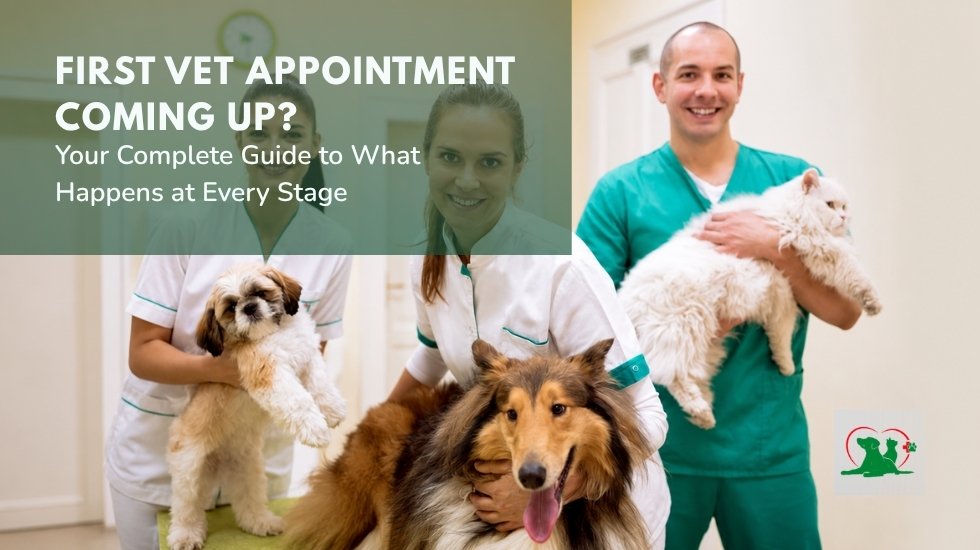
Your first vet visit for pets includes a complete health assessment to establish a lifelong medical baseline. Your veterinarian reviews medical history, performs a physical examination, recommends vaccinations, screens for parasites, and discusses nutrition. Before leaving, you'll receive a preventive care plan and follow-up schedule.
Many new pet parents spend weeks choosing the right food, toys, and bed. Yet they often feel uncertain about the first veterinary visit. Knowing what will happen before you arrive can make the experience easier for both you and your pet. A little preparation also helps your veterinarian provide the best possible care from day one.
In this guide, you’ll learn how to prepare, what to expect at your pet’s first vet visit, what happens after the visit, and how ongoing preventive care keeps your pet healthy.
Key Takeaways
- Your pet’s first vet visit establishes a lifelong health baseline through a complete physical examination, medical history review, vaccinations, parasite screening, and personalized preventive care planning.
- Scheduling your first vet visit for pets early allows veterinarians to detect hidden health issues, monitor growth, and create an age-appropriate wellness plan.
- Preparing medical records, a stool sample if requested, and a list of questions helps make the appointment more productive and less stressful.
- The visit often includes nutrition advice, behavior guidance, parasite prevention, vaccination recommendations, and discussions about microchipping and future care.
- Following the recommended pet vaccination schedule, preventive treatments, and regular wellness exams supports your pet’s long-term health and early disease detection.
Why Does Your First Pet Doctor Visit Matter?
Your pet may look healthy, playful, and full of energy. Even so, many health concerns can’t be seen without a professional examination. That’s why the first veterinary visit plays such an important role.
During this appointment, your veterinarian performs a complete pet wellness exam to evaluate your pet’s overall health. This creates a medical baseline that helps track future growth, weight, behavior, and overall wellness. If changes happen later, your veterinarian can compare them with these first findings.
Early visits also help identify problems before they become serious. Some young pets carry intestinal parasites without showing obvious symptoms. Others may have congenital conditions, nutritional concerns, or early infections that benefit from prompt treatment.
Your veterinarian also develops a preventive healthcare plan based on your pet’s age, lifestyle, breed, and risk factors. This plan may include:
(i) Pet vaccinations
(ii) Parasite prevention
(iii) Nutrition guidance
(iv) Growth monitoring
(v) Behavior discussions
(vi) Dental health care
(vii) Pet microchipping recommendations when appropriate
Pet preventive care helps protect your pet from many avoidable illnesses. Instead of waiting until your pet becomes sick, regular veterinary visits focus on keeping your companion healthy from the very beginning.
When Should You Schedule Your Pet’s First Veterinary Appointment?
The best time depends on your pet’s age and background. Scheduling the visit early helps your veterinarian protect your pet during an important stage of development.
- Puppies
Most puppies should visit a veterinarian when they are about 6 to 8 weeks old or soon after coming home. At this stage, your veterinarian begins a vaccination series, checks overall development, screens for parasites, and discusses nutrition and behavior.
Puppies continue receiving booster vaccines every few weeks until about 16 weeks of age, based on their individual needs.
- Kittens
Kittens also benefit from their first veterinary visit around 6 to 8 weeks of age. Your veterinarian checks growth, performs a wellness examination, discusses nutrition, and recommends an appropriate pet vaccination appointment schedule based on current veterinary guidelines.
- Newly Adopted Adult Pets
Even if an adult pet appears healthy, schedule a veterinary appointment within the first week after adoption. Your veterinarian can review previous medical records, perform a complete physical examination, and recommend preventive care based on your pet’s medical history and lifestyle.
- Rescue Pets With Unknown Medical History
Rescue pets often have limited medical information. Early veterinary care helps identify existing conditions, update vaccinations when needed, perform parasite testing, and develop a personalized healthcare plan.
Preparing for Your Pet’s First Vet Visit: What to Do Before the Appointment?
Preparing your pet for the vet visit ahead of time makes the process smoother for both you and your pet. Small steps before the appointment can reduce stress and help your veterinary team gather accurate information, especially when you know what to expect at your pet’s first vet visit.
1. Seven Days Before
Begin helping your pet become comfortable with the carrier or leash. Leave the carrier open at home with soft bedding and treats inside. For puppies, take short car rides to create positive experiences before the appointment.
If your pet has medical records from a breeder, shelter, or previous veterinarian, gather them now. Having complete records prevents duplicate vaccinations and helps your veterinarian understand your pet’s health history.
2. Two to Three Days Before
Write down any questions you want to ask during the appointment. A new pet owner vet visit is the perfect time to discuss feeding, training, vaccinations, sleep habits, chewing, litter box use, or exercise.
If your veterinarian requests a fresh stool sample, plan how you’ll collect and transport it safely on the appointment day. Stool testing helps identify intestinal parasites that may not cause visible symptoms.
3. The Night Before
Pack everything you need before going to bed. This may include:
(i) Medical records
(ii) Adoption paperwork
(iii) Current medications
(iv) Stool sample container
(v) Favorite treats
(vi) Blanket or towel with familiar scents
(vii) List of questions
Preparing early helps avoid last-minute stress by helping you understand what to expect at your pet’s first vet visit.
4. The Morning of the Visit
Take your dog for a short walk before leaving. Light exercise helps reduce excess energy and anxiety during the appointment. Keep cats in a quiet room until it’s time to leave so they don’t hide around the house. Leave with extra travel time to avoid feeling rushed.
Use a secure carrier for cats and a properly fitted leash for dogs. Bringing familiar items from home can also help your pet feel more comfortable throughout the visit.
What Should You Bring for a First Vet Visit for Pets?
Coming prepared helps your veterinarian understand your pet’s health and makes the appointment more productive. It also reduces the chance of missing important information that could affect your pet’s care plan.
Use this simple checklist before leaving home:
(i) Medical records from the breeder, shelter, rescue, or previous veterinarian
(ii) Adoption paperwork
(iii) Vaccination records, if available
(iv) A list of current medications or supplements
(v) A fresh stool sample if requested
(vi) A secure carrier for cats
(vii) A properly fitted leash and collar for dogs
(viii) Your pet’s favorite treats or toy
(ix) A blanket with familiar scents
(x) A written list of questions
(xi) Pet insurance information, if applicable
If you don’t have your pet’s medical records, do not worry. Your veterinarian can still perform a complete wellness exam and recommend the next steps based on your pet’s age, health, and lifestyle.
What to Expect at Your Pet’s First Vet Visit? (Step-by-Step)
Knowing what to expect at your pet’s first vet visit helps many new pet parents feel more confident. While every pet is different, most first visits follow a similar process.
Step 1: Check-In and Medical History
The appointment begins with gathering information about your pet. The veterinary team may ask questions about:
(i) Where your pet came from
(ii) Diet and feeding schedule
(iii) Water intake
(iv) Activity level
(v) Bathroom habits
(vi) Current medications
(vii) Previous illnesses
(viii) Behavior at home
These details help your veterinarian understand your pet’s daily routine and identify any concerns early.
Step 2: Weight and Vital Signs
Next, your pet is weighed before the examination begins. The veterinary team may also check:
(i) Body temperature
(ii) Heart rate
(iv) Respiratory rate
(v) Body condition score
These measurements become part of your pet’s permanent medical record and help track healthy growth during future visits.
Step 3: Health History Discussion
Your veterinarian will review everything you shared and ask additional questions if needed. This conversation helps determine whether your pet has any risk factors based on:
(i) Age
(ii) Breed
(iii) Lifestyle
(iv) Travel
(v) Contact with other animals
Every recommendation during the visit is personalized rather than following a one-size-fits-all approach.
Step 4: A Complete Nose-to-Tail Physical Examination
This is one of the most important parts of the appointment.
Your veterinarian carefully examines your pet from head to tail to look for both obvious and hidden health concerns.
The exam helps establish a baseline for future visits while identifying problems that may need treatment or monitoring.
Step 5: Diagnostic Testing When Needed
Not every pet needs additional testing during the first visit. However, your veterinarian may recommend:
(i) Fecal testing to check for intestinal parasites
(ii) Pet blood tests if medically appropriate
(iii) Additional screening based on your pet’s age or medical history
These tests provide valuable information that can’t be gathered during a physical examination alone.
Step 6: Vaccinations
If your pet is healthy enough, vaccinations may be given during the first appointment. Your veterinarian will explain:
(i) Which pet vaccines are recommended
(ii) Why each pet vaccine matters
(iii) Possible mild side effects
(iv) When booster vaccines are due
Rather than giving every available vaccine, recommendations are based on your pet’s individual needs and current veterinary guidelines.
Step 7: Parasite Prevention
Parasites are common in young pets, even when they appear healthy. Your veterinarian may discuss protection against:
(i) Fleas
(ii) Ticks
(iii) Heartworms
(iv) Intestinal worms
Preventing parasites early helps reduce the risk of illness for both pets and people living in the same household.
Step 8: Microchipping Discussion
If your pet hasn’t been microchipped, your veterinarian may recommend it during one of the early wellness visits.
A microchip provides permanent identification if your pet ever becomes lost. Unlike collars or tags, it can’t fall off or become damaged.
Your vet can also explain how pet microchipping works and the cost to microchip a dog and a cat.
Step 9: Nutrition Guidance
Nutrition has a major impact on healthy growth. During a puppy first vet checkup or kitten first vet appointment, your veterinarian may discuss:
(i) Appropriate puppy or kitten food
(ii) Portion sizes
(iii) Feeding frequency
(iv) Healthy weight goals
(v) Foods to avoid
These recommendations support proper development during the early months of life.
Step 10: Behavior and Training Advice
The first visit is also a great time to discuss behavior. Many new pet parents ask about:
(ii) Crate training
(iii) Socialization
(iv) Chewing
(v) Biting
(vi) Scratching
(vii) Litter box habits
Addressing these concerns early often prevents unwanted habits from becoming long-term problems.
Step 11: Your Questions
Never hesitate to ask questions during the appointment. Your veterinarian wants you to understand your pet’s care plan and feel confident caring for your new companion at home.
Step 12: Scheduling the Next Visit
Before leaving, the team will recommend when your pet should return.
Young puppies and kittens often need several visits during their first months to complete vaccination series, monitor growth, and continue preventive care.
What Happens During the First Veterinary Examination?
Many first-time pet parents hear the phrase “nose-to-tail examination” but wonder what it actually includes.
During the exam, your veterinarian evaluates every major body system to make sure your pet is developing normally.
| Body Area | What Your Veterinarian Looks For |
| Eyes | Vision, discharge, redness, and eye health |
| Ears | Infection, inflammation, mites, and hearing concerns |
| Nose | Healthy airflow and abnormal discharge |
| Mouth and teeth | Teeth development, gums, bite, and oral health |
| Skin and Coat | Parasites, allergies, infections, and coat quality |
| Heart | Normal heart sounds and murmurs |
| Lungs | Healthy breathing and lung sounds |
| Abdomen | Pain, swelling, and organ health |
| Joints and limbs | Mobility, strength, and proper movement |
| Weight and body condition | Healthy growth and proper nutrition |
Will Your Cat or Dog Receive Vaccinations During the First Vet Visit for Pets?
Many new pet parents expect vaccinations during the first appointment. In many cases, that does happen. However, your veterinarian first confirms that your pet is healthy enough to receive them safely.
Vaccination recommendations depend on several factors, including:
(i) Your pet’s age
(ii) Previous vaccination history
(iii) Overall health
(iv) Lifestyle
(v) Exposure risk
(vi) California vaccination requirements
Core vaccines protect against serious diseases that affect most pets. Non-core vaccines are recommended only when they match your pet’s lifestyle or environmental risks. This personalized approach follows current veterinary recommendations rather than giving unnecessary vaccines.
After vaccination, your pet may experience mild soreness, sleepiness, or reduced activity for a day. These reactions are usually short-lived. Contact Jurupa Hills Animal Hospital immediately if you notice facial swelling, difficulty breathing, repeated vomiting, or collapse after vaccination.
What Are the Most Important Questions to Ask Your Veterinarian During Your Pet’s First Visit?
Your first vet visit for pets is the perfect time to learn from your veterinarian. Asking questions helps you understand your pet’s needs and gives you confidence once you return home.
If you’re not sure where to begin, start with these questions:
1. Is my pet growing at a healthy rate?
Healthy growth is more than weight gain. Your veterinarian evaluates body condition, muscle development, and overall health to make sure your pet is growing as expected.
2. What food do you recommend?
Nutrition plays a major role in your pet’s long-term health. Ask which life-stage diet is best, how much food to offer, and how often to feed your pet.
3. Which vaccines does my pet need?
Every pet has different vaccination needs based on age, lifestyle, and medical history. Your veterinarian will explain which vaccines are recommended now and when booster visits should be scheduled. They’ll also provide a proper dog and cat vaccine schedule.
4. How can I protect my pet from fleas, ticks, and heartworms?
Parasite prevention should begin early. Your veterinarian will recommend products based on your pet’s age, weight, and risk of exposure.
5. When should my pet be spayed or neutered?
The best time to spay and neuter pets depends on several factors, including breed, age, and overall health. Your veterinarian can recommend an appropriate timeline for your pet.
6. Should my pet be microchipped?
Microchipping provides permanent identification and improves the chances of being reunited with your pet if they become lost.
7. Which behaviors are normal?
Ask about anything that concerns you. Examples include chewing, biting, house training, litter box habits, scratching, barking, and socialization. Addressing these topics early helps your pet develop healthy habits.
8. What signs should make me call the veterinarian?
Knowing what is normal and what requires medical attention gives you peace of mind. Your veterinarian can explain warning signs that should never be ignored.
What Are the Most Common Mistakes New Parents Make Before the First Vet Visit for Pets?
Even well-prepared pet parents can overlook small details before the appointment. Avoiding these common mistakes helps your visit go more smoothly.
1. Waiting too long to schedule the appointment: Many illnesses are easier to manage when detected early. Scheduling your pet’s first wellness visit soon after adoption allows your veterinarian to identify concerns before they become more serious.
2. Forgetting medical records: Bring any paperwork you received from the breeder, shelter, rescue organization, or previous veterinarian. These records help avoid unnecessary repeat vaccinations or testing.
3. Leaving your questions at home: It is easy to forget important questions once the appointment begins. Writing them down beforehand helps you get the answers you need.
4. Using an unsafe carrier or leash: Cats should always travel in a secure carrier. Dogs should wear a properly fitted collar or harness attached to a leash. Safe transportation helps reduce stress and prevents accidental escapes.
5. Skipping the stool sample: If your veterinary team requests a stool sample, bring one that’s as fresh as possible. Fecal testing helps identify intestinal parasites that may not cause visible symptoms.
6. Hiding health concerns: Some pet parents worry about asking too many questions or mentioning small changes. Always tell your veterinarian about anything unusual, even if it seems minor. Small details such as your dog not eating, unusual skin changes, or other symptoms can provide valuable clues during the examination.
How Do You Reduce Your Cat or Dog’s Anxiety During the First Vet Visit for Pets?
A calm pet usually has a better veterinary experience. With a little preparation, you can help reduce anxiety before arriving at the hospital, especially if you’re feeling uncertain about what to expect at your pet’s first vet visit.
- For Dogs
Every dog reacts differently, but a little preparation can help your companion feel more comfortable throughout the visit.
(i) Take your dog for a short walk before leaving home. This helps release extra energy and allows them to settle more easily during the examination.
(ii) Bring a favorite toy or a few treats to reward calm behavior throughout the visit.
(iii) Remain relaxed yourself. Pets often respond to your body language and voice.
- For Cats
Helping your cat feel secure before the appointment can make the veterinary experience much less stressful.
(i) Leave the carrier out several days before the appointment so your cat can explore it at home.
(ii) Place a familiar blanket or towel inside the carrier for comfort.
(iii) Keep the carrier level while walking and avoid sudden movements during transportation.
(iv) Covering part of the carrier with a light towel may also help some cats feel more secure.
Jurupa Hills Animal Hospital encourages preparing your cat and dog before the visit to create a more comfortable experience for both you and your pet.
What Happens at a Pet’s First Vet Visit After the Checkup Ends?
Your pet’s healthcare continues after you leave the hospital.
Follow your veterinarian’s recommendations carefully and monitor your pet during the next day or two.
If vaccinations were given, your pet may feel tired or have mild soreness at the injection site. These mild reactions often resolve within a day. Contact Jurupa Hills Animal Hospital right away if you notice:
(i) Difficulty breathing
(ii) Facial swelling
(iii) Repeated vomiting
(iv) Extreme weakness
(v) Collapse
Your veterinarian may also recommend:
(i) Starting parasite prevention
(ii) Feeding a new diet
(iii) Scheduling follow-up vaccinations
(iv) Monitoring your pet’s weight
(v) Beginning home dental care
Keeping a folder with your pet’s medical records makes future visits easier and helps you stay organized.
How Often Should You Schedule the Next Pet Health Checkup After the First Visit?
Your veterinarian will recommend future visits based on your pet’s age, health, and lifestyle.
| Life Stage | Recommended Wellness Visits |
| Puppies | Every 3 to 4 weeks until the initial vaccine series is complete |
| Kittens | Every 3 to 4 weeks until the initial vaccine series is complete |
| Healthy adult pets | At least once each year |
| Senior pets | Usually every six months or as recommended by your veterinarian |
Regular pet routine checkups are important. They allow your veterinarian to monitor changes over time and recommend preventive care before health problems become more difficult to manage. Preventive medicine remains one of the most effective ways to help pets live longer, healthier lives.
Why Choosing the Right Veterinary Hospital Matters?
Your first vet visit for pets is only the beginning of your pet’s healthcare journey. Choosing a trusted veterinary team gives you a reliable partner through every stage of your companion’s life.
At Jurupa Hills Animal Hospital, pets receive personalized care based on their age, health, and lifestyle. Our hospital offers comprehensive wellness exams, puppy and kitten care, vaccinations, parasite prevention, diagnostics, dental care, pet surgery, and other pet care services designed to support lifelong health.
Our team also takes time to answer your questions and explain treatment recommendations. This helps you make informed decisions about your pet’s care.
Whether you have welcomed home your first puppy, adopted an adult dog, or brought home a playful kitten, establishing a relationship with a trusted veterinarian helps your pet receive consistent care for years to come.
Have You Planned Your First Vet Visit for Pets Yet?
Your first visit builds the foundation for lifelong health. Preparing beforehand, knowing what to expect at your pet’s first vet visit, asking questions, and following your veterinarian’s advice can make every appointment easier.
Early preventive care also helps detect concerns before they become more serious and supports healthy growth throughout every life stage.
At Jurupa Hills Animal Hospital, we provide gentle wellness exams, personalized preventive care, vaccinations, and puppy and kitten services to help your companion thrive from day one. Write to us here, schedule an appointment, or call (+1) 909-333-1565 to give your pet a healthy start today!
Frequently Asked Questions
Share This Article

Written by : Jurupa Hills Animal Hospital
Jurupa Hills Animal Hospital is proud to serve the Fontana, CA area for everything pet-related. Our veterinary clinic and animal hospital is run by Dr. Avtar Gill, who is a licensed, experienced Fontana veterinarian. Our team is committed to educating our clients on how to keep your pets healthy year round, with good nutrition and exercise. Jurupa Hills Animal Hospital stays on top of the latest advances in veterinary technology and above all, remembers that all animals and pets need to be treated with loving care in every check-up, procedure, or surgery.
All Categories
- Pet Allergies
- Pet Dental
- Pet Euthanasia
- Pet Microchipping
- Pet Parasite
- Pet Routine Checkup
- Pet Surgery
- Pet Vaccination
- Spaying and Neutering
Related Articles

October 6, 2026